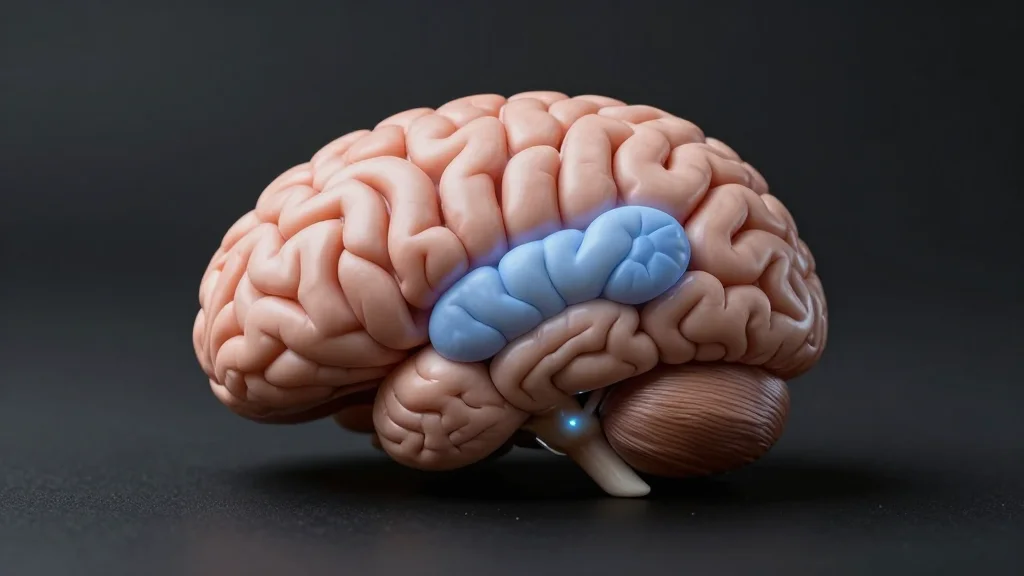
University of Colorado Boulder Finds Brain Circuit That May Flip Acute Pain Into Chronic Pain

Companies Mentioned
Why It Matters
Understanding the neural switch that converts acute pain into chronic pain addresses a core challenge in pain medicine: why some injuries heal while others linger as debilitating conditions. For the meditation community, the finding validates decades of anecdotal evidence that mental training can alter pain perception, offering a concrete target for research and practice. If mindfulness can be shown to down‑regulate the CGIC, clinicians may have a non‑pharmacologic tool to prevent the escalation of pain, reducing reliance on opioids and improving quality of life for millions. Beyond individual health, the discovery could reshape public health strategies. By integrating neuroscience‑informed mindfulness programs into primary care, insurers and policymakers might curb the economic toll of chronic pain, which costs the U.S. economy over $600 billion annually. The CGIC thus becomes a focal point where neuroscience, behavioral health, and health policy intersect.
Key Takeaways
- •University of Colorado Boulder identified the caudal granular insular cortex (CGIC) as a brain circuit that decides if pain becomes chronic.
- •Silencing the CGIC in animal models prevented and reversed chronic pain, according to a Journal of Neuroscience paper.
- •Senior author Linda Watkins described the CGIC as a "crucial decision maker" for pain persistence.
- •First author Jayson Ball, now at Neuralink, called the work a "leaf on the tree of knowledge" about chronic pain.
- •The discovery links directly to mindfulness research, which shows reduced insular activity in experienced meditators.
Pulse Analysis
The CGIC finding arrives at a pivotal moment when the medical community is seeking alternatives to opioid analgesics. Historically, chronic pain has been treated as a peripheral problem, but the shift toward central nervous system targets reflects a broader paradigm change. By pinpointing a specific cortical node, the Boulder team provides a tangible anchor for interventions that have previously relied on vague concepts of "mind‑body" interaction.
Meditation researchers have long reported that seasoned practitioners can modulate insular activity, yet the causal chain from such modulation to long‑term pain outcomes remained speculative. The new data suggest that the insula is not merely a passive observer of pain signals but an active gatekeeper that can be reprogrammed. This opens a research agenda: longitudinal studies that track CGIC activity in novice versus expert meditators, and clinical trials that combine mindfulness training with transcranial magnetic stimulation aimed at the CGIC.
From a market perspective, the discovery could accelerate investment in neurotechnology firms that specialize in targeted brain stimulation. Companies like Neuralink, already linked to the study through co‑author Jayson Ball, may see a surge in interest from venture capital seeking to commercialize CGIC‑focused devices. Simultaneously, digital therapeutics platforms that deliver guided meditation could leverage the neuroscience to differentiate their offerings, positioning themselves as evidence‑based solutions for chronic pain prevention. The convergence of neuroscience, mindfulness, and tech promises a new frontier in pain management, with the CGIC at its core.
University of Colorado Boulder Finds Brain Circuit That May Flip Acute Pain Into Chronic Pain
Comments
Want to join the conversation?
Loading comments...