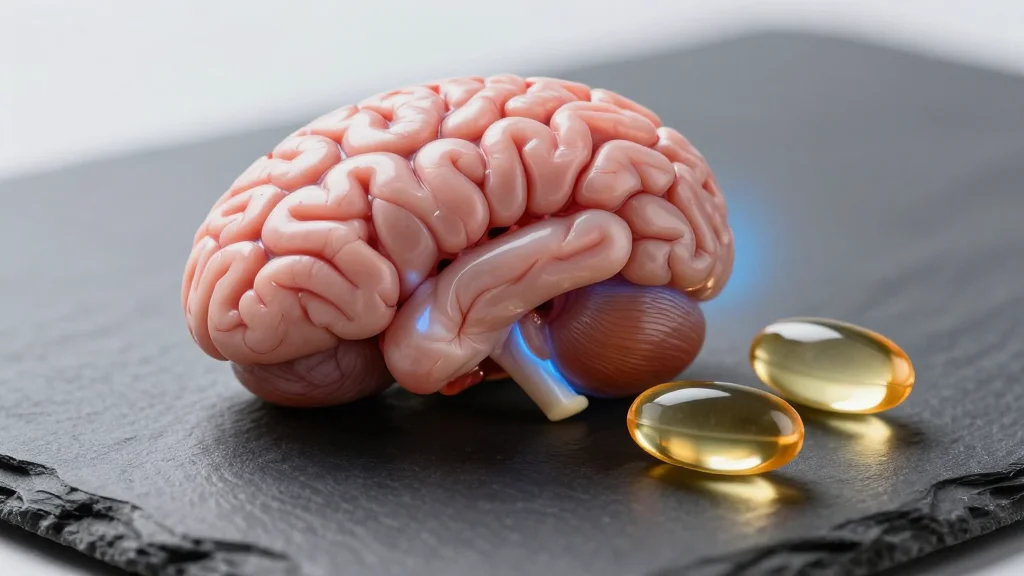
Omega-3 Supplements Protect the Brain’s Breathing Center in Parkinson’s Disease Model
Why It Matters
Respiratory failure is the leading cause of death in late‑stage Parkinson’s, and current dopamine‑based therapies do not address it; omega‑3 could fill this critical treatment gap if human trials confirm efficacy.
Key Takeaways
- •Omega-3 preserved brainstem neurons in Parkinson’s mice
- •Treated mice showed normal breathing rates matching healthy controls
- •Dopamine cell loss remained unchanged despite omega-3 supplementation
- •Anti‑inflammatory effects reduced oxidative stress in respiratory centers
- •Human trials needed to confirm translational potential
Pulse Analysis
Parkinson’s disease is widely recognized for its motor symptoms, yet respiratory dysfunction emerges as a silent killer in later stages, accounting for most deaths through pneumonia and hypoventilation. Conventional levodopa therapy restores dopamine to improve movement but does nothing for the brainstem nuclei that regulate automatic breathing. This therapeutic blind spot has spurred interest in adjunctive strategies that target inflammation and oxidative damage, two hallmarks of neurodegeneration that also affect non‑motor circuits.
In the recent mouse study, investigators injected 6‑hydroxydopamine to induce dopaminergic neuron loss, then introduced omega‑3 supplementation five days later—a window when the respiratory centers were beginning to deteriorate. Although omega‑3 did not rescue dopamine cells, it markedly preserved neuronal counts in the ventral respiratory group, dampened microglial activation, and lowered reactive oxygen species. Functionally, treated mice breathed at roughly 183 breaths per minute, indistinguishable from healthy controls, whereas untreated Parkinsonian mice slowed to about 161 breaths per minute. These findings align with the known antioxidant and anti‑inflammatory properties of long‑chain polyunsaturated fatty acids, suggesting a neuroprotective effect that is circuit‑specific rather than disease‑wide.
The implications extend beyond a single animal model. If omega‑3 can safeguard brainstem function in humans, it could become a low‑cost, widely accessible adjunct to standard Parkinson’s regimens, potentially reducing hospitalizations for respiratory complications. However, translational hurdles remain: dosage optimization, bioavailability, and interaction with existing medications must be clarified in rigorously designed clinical trials. The study underscores the growing recognition that treating neurodegenerative diseases requires a multi‑modal approach, integrating symptomatic relief with disease‑modifying agents that address inflammation and oxidative stress across diverse neural networks.
Omega-3 supplements protect the brain’s breathing center in Parkinson’s disease model
Comments
Want to join the conversation?
Loading comments...