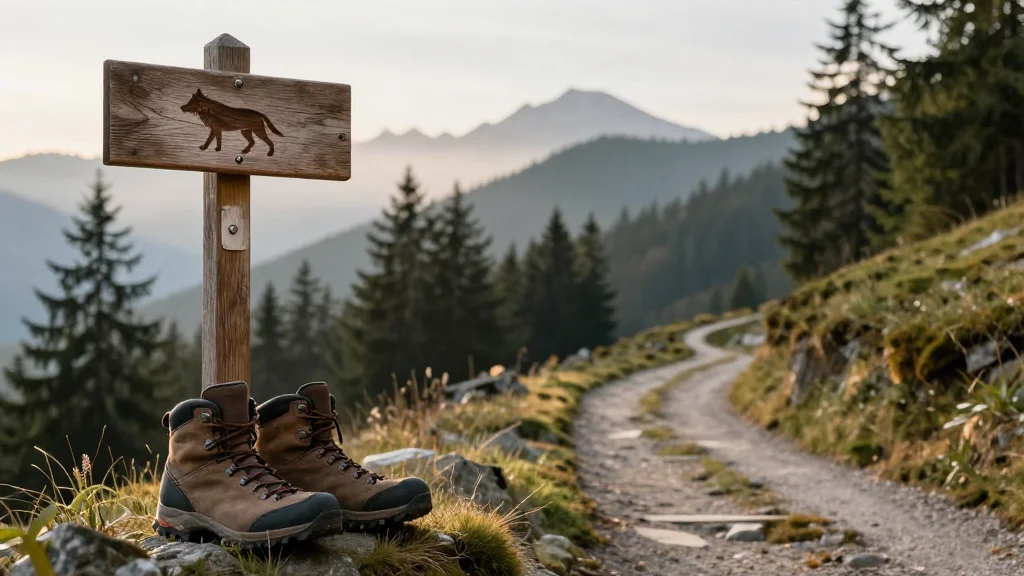
Jack Wolfskin Unveils 3,493‑km Wolf Trail, Europe’s Newest Thru‑Hiking Route

Companies Mentioned
Why It Matters
The Wolf Trail marks a pivotal shift in how outdoor brands influence the geography of recreation. By financing and branding a continent‑spanning route, Jack Wolfskin blurs the line between product marketing and public infrastructure, potentially redefining funding models for trail development. The initiative also spotlights the tension between economic opportunity for rural regions and the imperative to protect sensitive ecosystems, a debate that will shape future collaborations between corporations, governments, and conservation groups. If successful, the Wolf Trail could serve as a template for other brands seeking to create immersive, destination‑driven experiences, accelerating investment in trail networks worldwide. Conversely, missteps in environmental stewardship could trigger backlash, reinforcing calls for stricter regulation of private involvement in public land use.
Key Takeaways
- •Jack Wolfskin launched the 3,493‑km Wolf Trail on May 8, 2026.
- •The trail spans ten European countries from Portugal to Estonia.
- •Designed for beginners and experienced thru‑hikers; takes 4‑6 months to complete.
- •Projected economic boost of €150 million (~$165 million) for local communities.
- •Environmental NGOs demand robust conservation measures alongside the trail.
Pulse Analysis
Jack Wolfskin’s Wolf Trail is more than a marketing stunt; it is a strategic entry into the experiential economy that outdoor brands have been courting for years. Historically, trail development has relied on public funding, volunteer groups, and non‑profit stewardship. By shouldering the logistical and financial burden, Jack Wolfskin can accelerate route completion and ensure a consistent brand experience, but it also assumes responsibility for long‑term maintenance—a costly, ongoing commitment.
The timing aligns with a surge in post‑pandemic travel, where hikers are seeking multi‑day, low‑density experiences that blend adventure with cultural immersion. The Wolf Trail’s inclusive design lowers the barrier to entry, potentially expanding the demographic of long‑distance hikers beyond the traditional European backpacker cohort. This could translate into higher gear sales and brand loyalty, especially if the trail’s support stations showcase the latest product innovations.
However, the initiative also surfaces a classic conflict: commercial interests versus environmental integrity. The projected economic gains are compelling, yet they hinge on sustainable visitor management. If Jack Wolfskin can embed rigorous waste protocols, fund habitat restoration, and partner with local conservation groups, the Wolf Trail could become a benchmark for responsible brand‑led infrastructure. Failure to do so would risk reputational damage and could prompt stricter EU regulations on private trail sponsorships. The coming months—particularly the registration phase and the virtual orientation series—will reveal whether the Wolf Trail can balance profit, preservation, and the pure joy of hiking across Europe.
Jack Wolfskin Unveils 3,493‑km Wolf Trail, Europe’s Newest Thru‑Hiking Route
Comments
Want to join the conversation?
Loading comments...