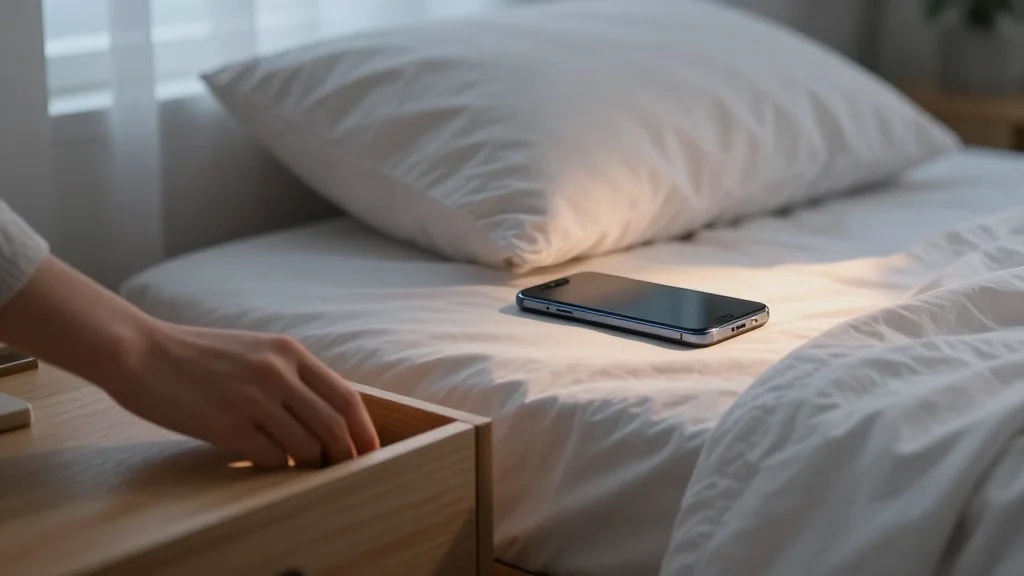
CHOP Study Links Bedroom Smartphone Bans to Lower Teen Depression and Obesity

Companies Mentioned

University of California, Berkeley
Why It Matters
The CHOP study provides the first large‑scale, longitudinal evidence that simple environmental changes—removing phones from bedrooms and capping daily use—can dramatically improve adolescent health outcomes. For parents, the data translate abstract screen‑time warnings into clear, enforceable rules, reducing the anxiety around digital parenting. Beyond individual households, the research could shape public‑health policy, school wellness initiatives, and pediatric screening protocols, potentially curbing the rising tide of teen depression and obesity linked to excessive device use.
Key Takeaways
- •Study tracked 1,959 teens from age 13 to 14, with 1,230 acquiring smartphones.
- •Using a phone >5 hours daily doubled risk of depression, obesity, and insufficient sleep.
- •Keeping phones out of bedrooms at night cut sleep‑deficit risk by roughly 50%.
- •Acquiring a first smartphone at age 13 did not alone raise depression rates, unlike acquisition at age 12.
- •Findings support pediatric recommendations for nightly phone bans and limited daily screen time.
Pulse Analysis
The CHOP findings arrive at a moment when the debate over screen‑time limits has shifted from moral panic to data‑driven policy. Earlier studies often relied on cross‑sectional surveys, leaving parents with vague advice like “limit screen time.” By following a cohort over a year and isolating both the timing of first phone ownership and the intensity of use, CHOP offers a granular view that can inform both household rules and broader public‑health strategies.
Historically, parental control tools have struggled to keep pace with device ubiquity. This study suggests that the most effective lever may not be sophisticated app‑blocking software but a low‑tech habit—physically removing the phone from the bedroom. That simplicity could accelerate adoption, especially in families where digital literacy varies. Moreover, the clear dose‑response relationship (more than five hours versus two hours) gives clinicians a concrete metric to discuss during well‑child visits.
Looking forward, the research could catalyze a wave of longitudinal studies that examine not just quantity but quality of screen interaction. If future work identifies specific content types that exacerbate risk, parents may be able to fine‑tune restrictions rather than impose blanket bans. For now, the CHOP study equips parents with a compelling, evidence‑based argument: a simple nightly phone ban is a powerful tool to safeguard teen mental and physical health.
CHOP Study Links Bedroom Smartphone Bans to Lower Teen Depression and Obesity
Comments
Want to join the conversation?
Loading comments...