I Banned Smartphones for My 4 Kids. They Became Obsessed with Walkmans Instead.
Companies Mentioned
Why It Matters
The experiment shows that limiting screen time can channel youth toward tactile, creative media, offering a viable model for parents worried about digital overload. It also underscores rising consumer appetite for retro tech, hinting at new niche market opportunities.
Key Takeaways
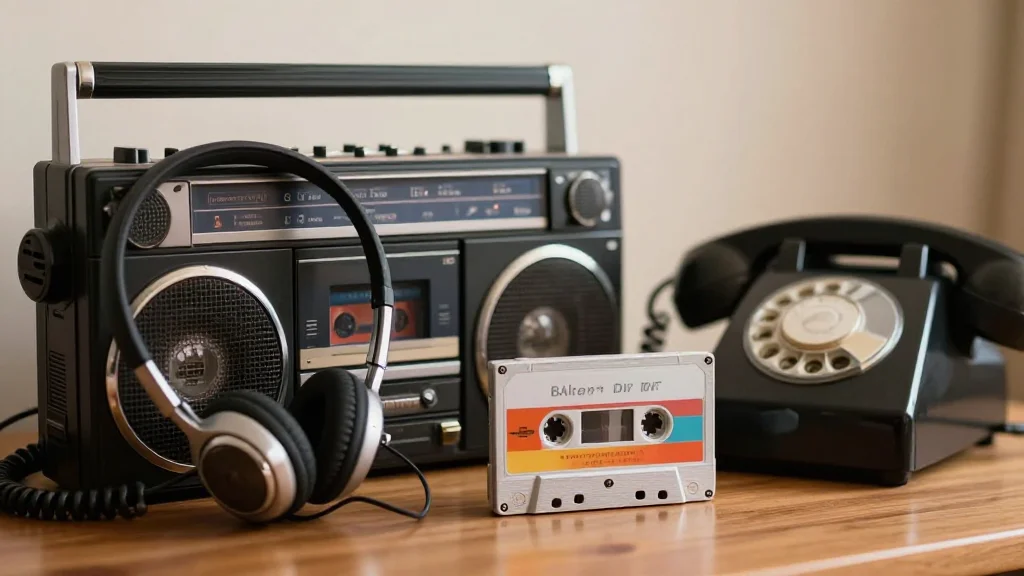
- •Parents replace smartphones with boombox, rotary phone, Walkman
- •Kids create mixtapes using cassette tapes and CD player
- •10‑year‑old Ethan spends hours listening on Walkman
- •Whole family hunts thrift stores for vintage tapes
- •Analog hobby boosts screen‑free time and family bonding
Pulse Analysis
Screen‑time anxiety has driven many parents to explore alternatives that keep children engaged without a glowing rectangle. Hynek’s decision to ban smartphones until her kids are 17 reflects a broader movement toward intentional, screen‑free parenting. By substituting modern devices with analog relics—a boombox, a rotary‑dial phone, and Walkmans—she created a tangible learning environment that encourages curiosity, hands‑on interaction, and conversation about media history, all while sidestepping the health and attention‑span concerns linked to constant digital exposure.
The analog shift sparked a creative renaissance at home. The children quickly learned to record songs onto blank cassette tapes, curating personalized mixtapes that mirror the pre‑streaming era. Ethan’s Walkman, purchased for just over $30, became a daily companion, turning road trips into immersive listening experiences. This tactile process—searching for tapes, adjusting knobs, and physically flipping reels—reinforces patience and auditory focus, qualities often eroded by algorithm‑driven playlists. Moreover, the family’s regular thrift‑store excursions turned music discovery into a shared adventure, strengthening bonds and providing a structured, screen‑free pastime.
Hynek’s story also signals a commercial ripple effect. Nostalgic tech, once a niche hobby, is gaining mainstream traction as parents and millennials alike seek analog alternatives for wellness and novelty. Retailers are responding with affordable Walkmans, cassette players, and retro‑style boomboxes, while online marketplaces report rising sales of vintage tapes and CDs. This resurgence suggests a viable market segment that blends heritage design with modern convenience, offering opportunities for brands to capitalize on the growing desire for tangible, low‑tech entertainment solutions.
I banned smartphones for my 4 kids. They became obsessed with Walkmans instead.
Comments
Want to join the conversation?
Loading comments...