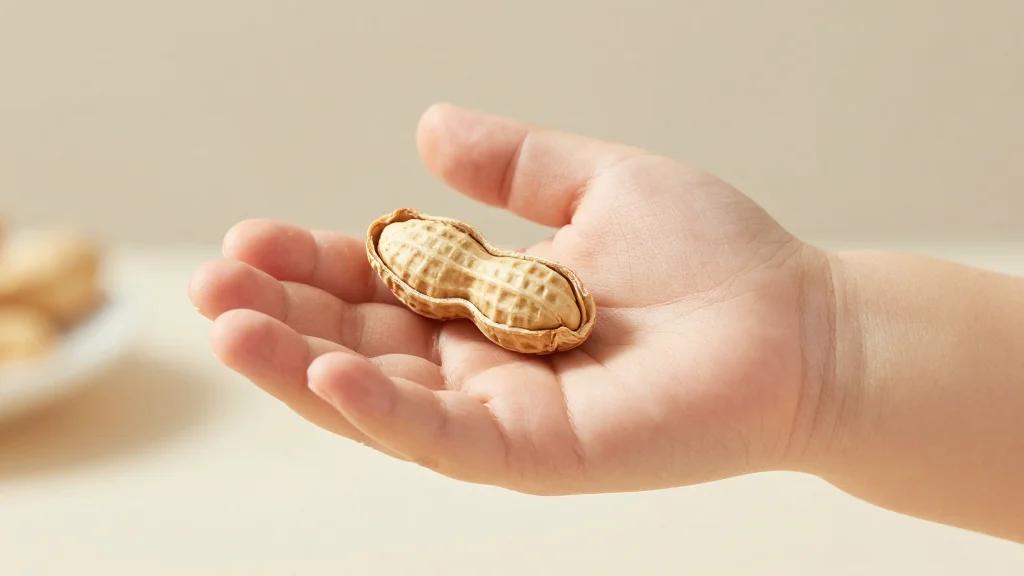
Karolinska Study Finds Daily Peanut Exposure Safely Treats 82% of Toddler Allergies

Why It Matters
Peanut allergy affects roughly 2% of children in the United States, often persisting into adulthood and imposing constant vigilance on families. A safe, clinic‑supervised method that yields an 82% tolerance rate could dramatically lower the risk of life‑threatening reactions and improve quality of life for both children and caregivers. Moreover, the study aligns with emerging public‑health policies that favour active disease‑modifying treatments over avoidance, potentially prompting insurance coverage reforms and broader adoption in pediatric allergy clinics. For parents, the research offers a data‑driven alternative to the anxiety‑laden status quo of strict avoidance. If replicated at scale, daily low‑dose immunotherapy could become a standard recommendation, reducing emergency department visits and the psychological burden of constant fear of accidental exposure.
Key Takeaways
- •75 toddlers (ages 1‑3) enrolled; 50 received daily peanut puffs, 25 avoided peanuts
- •82% of treated children tolerated ≥3.5 peanuts after three years, vs 12% of controls
- •Maintenance dose equated to ~1.5 peanuts per day, increased every 4‑6 weeks
- •Mild side effects common; a few required adrenaline during dose escalation
- •Swedish health board recently updated guidelines to support oral immunotherapy
Pulse Analysis
The Karolinska trial arrives at a moment when the allergy community is shifting from passive avoidance to active desensitisation. Historically, oral immunotherapy (OIT) has been limited to older children and adolescents, with mixed safety outcomes. By targeting toddlers—a demographic with more plastic immune systems—the study leverages developmental biology to achieve higher tolerance rates while keeping doses low enough to minimise severe reactions. This age‑focused strategy could set a new benchmark for future OIT protocols.
From a market perspective, the findings open a niche for specialized pediatric allergy products, such as calibrated peanut puffs and home‑monitoring kits. Companies that can integrate tele‑health follow‑up with in‑clinic dosing may capture a sizable share of a growing therapeutic segment. However, the requirement for regular clinical oversight could constrain rapid scaling, especially in regions with limited allergist availability. Policymakers and insurers will need to balance the upfront costs of supervised OIT against the long‑term savings from reduced emergency care and improved quality of life.
Looking forward, the durability of tolerance remains the critical unknown. If subsequent follow‑up confirms lasting immunity after treatment cessation, the paradigm could shift from a lifelong avoidance model to a finite, curative‑like therapy. That would not only transform clinical practice but also reshape parental expectations, reducing the chronic stress associated with food allergies. The next multi‑center trials will be decisive in confirming whether this Swedish success can be generalized across diverse populations and healthcare systems.
Karolinska Study Finds Daily Peanut Exposure Safely Treats 82% of Toddler Allergies
Comments
Want to join the conversation?
Loading comments...