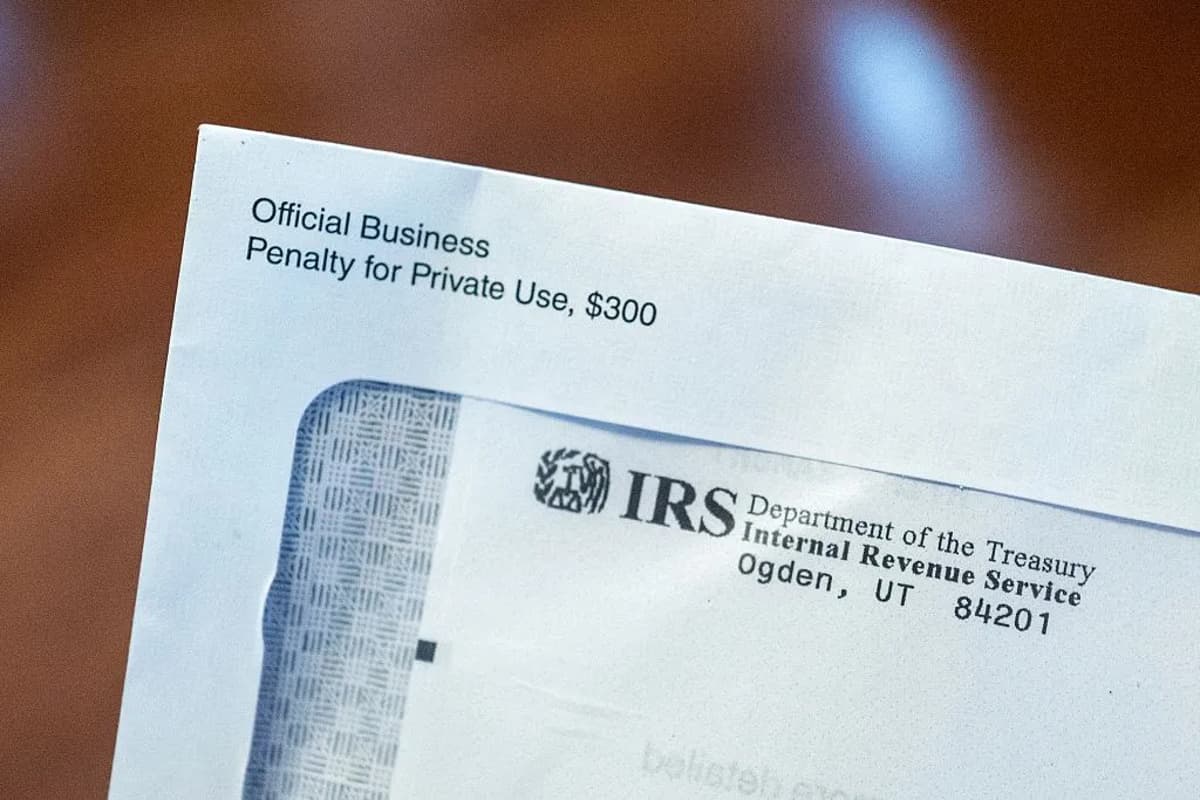
5 IRS Letters That Mean You’re Running Out of Time (and What to Do About Each One)
Why It Matters
Ignoring these notices can lead to costly penalties, a tax lien that harms credit, and the seizure of assets, directly affecting personal finances and borrowing power. Early resolution protects taxpayers from escalating government enforcement and preserves financial stability.
Key Takeaways
- •CP14 signals balance due; prompt payment stops interest
- •CP501 and CP503 are successive reminders before levy threat
- •CP504 warns of imminent levy on wages or bank accounts
- •LT11 final notice may trigger federal tax lien and passport denial
- •Setting up an installment agreement or offer in compromise can reduce debt
Pulse Analysis
The Internal Revenue Service follows a structured escalation when a taxpayer falls behind on obligations. It begins with the CP14 notice, which simply states the amount owed and provides a deadline for payment. If the debt remains unsettled, the agency follows with CP501 and CP503 reminders, each reinforcing the original deadline and warning of accruing penalties. Should the taxpayer still not respond, the CP504 notice declares the IRS’s intent to levy, signaling that wages, bank accounts, or other assets may be seized. The final LT11 notice, also known as the 1058 letter, announces a pending federal tax lien and can even trigger passport restrictions, effectively tightening the government’s grip on the debtor’s financial life.
The ramifications of ignoring these letters extend far beyond the immediate tax bill. Interest compounds daily after the CP14 deadline, while penalties can add up to 25% of the unpaid tax. A levy can freeze bank accounts, garnish wages, or seize property, leaving the taxpayer with limited cash flow. A federal tax lien, recorded against the taxpayer’s assets, alerts creditors and can dramatically lower credit scores, making loans or mortgages more expensive or unattainable. Moreover, the State Department may deny or revoke a passport, restricting international travel for individuals with significant tax delinquencies. These consequences underscore why the IRS’s notice system is a powerful enforcement tool.
Taxpayers have several avenues to mitigate the damage before a levy or lien takes effect. Paying the full balance by the CP14 deadline eliminates interest and penalties outright. When full payment isn’t feasible, the IRS offers installment agreements that spread payments over time, often with reduced fees. An offer in compromise allows qualified taxpayers to settle for less than the total owed, provided they meet strict eligibility criteria. Engaging a qualified tax professional can streamline negotiations, ensure accurate filings, and protect rights during audits. Ultimately, acting early—whether by paying, arranging a plan, or seeking expert help—preserves financial health and prevents the severe repercussions of IRS enforcement.
5 IRS Letters That Mean You’re Running Out of Time (and What to Do About Each One)
Comments
Want to join the conversation?
Loading comments...