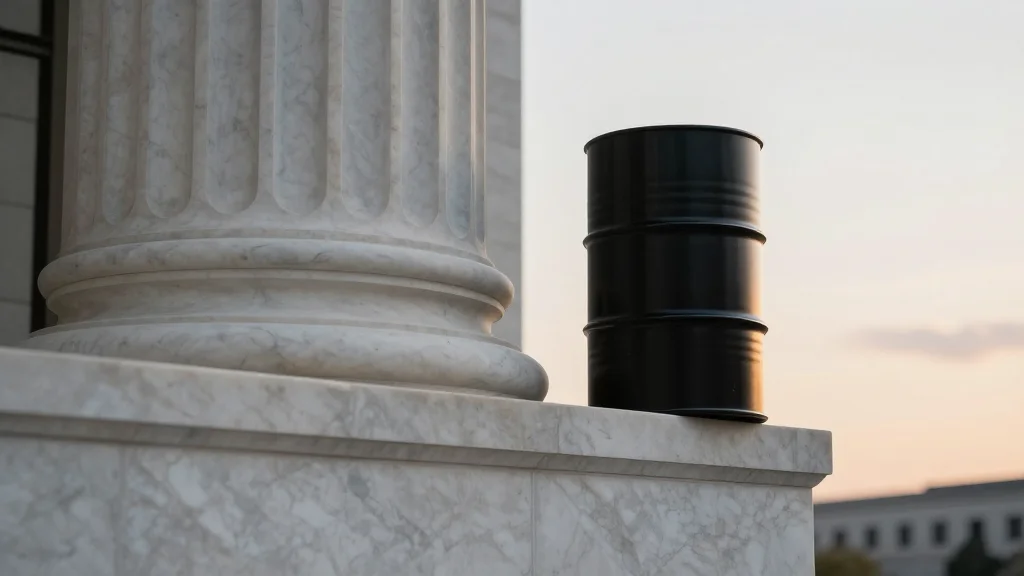
Fed Likely to Hold Rates Steady as Iran Conflict Stokes Inflation Fears

Companies Mentioned
Why It Matters
A Federal Reserve decision to keep rates steady directly influences the cost of borrowing for households, from mortgages to auto loans, and determines the yield on savings accounts and certificates of deposit. With oil prices hovering above $108 a barrel due to the Iran‑linked conflict, inflation pressures could erode purchasing power, making the Fed’s stance a pivotal factor in personal‑finance budgeting and debt‑management strategies. Moreover, the geopolitical uncertainty surrounding the Strait of Hormuz adds a layer of risk that can quickly translate into higher consumer prices for gasoline and goods that rely on oil‑based logistics. By maintaining a cautious policy, the Fed signals that it will prioritize stability over pre‑emptive tightening, giving consumers a clearer horizon for financial planning while the broader macro environment remains volatile.
Key Takeaways
- •Fed likely to hold rates at 3.5%-3.75% amid inflation concerns
- •Oil prices above $108/bbl as Iran conflict tightens Strait of Hormuz
- •CPI rose to 3.3% YoY in March, up from 2.4% in February
- •$500 million U.S. dollar transfer to Iraq suspended, adding financial pressure
- •Bitcoin slipped to $76,813, reflecting broader market risk aversion
Pulse Analysis
The Federal Reserve’s anticipated pause reflects a delicate balancing act between curbing inflation and avoiding a premature tightening that could choke consumer spending. Historically, the Fed has used rate hikes to rein in price spikes, but the current environment is complicated by an external shock—oil price volatility driven by the Iran‑linked war. Unlike past cycles where domestic demand was the primary inflation driver, today’s price pressures are largely imported, meaning that a rate hike could disproportionately hurt borrowers without delivering a commensurate drop in inflation.
The decision also occurs against the backdrop of a pending leadership transition. Chairman Jerome Powell’s term ends on May 15, and his successor, Kevin Warsh, faces a contentious confirmation. This uncertainty may encourage the Fed to adopt a “wait‑and‑see” posture, preserving policy flexibility for the incoming chair. For personal‑finance consumers, the immediate implication is stability in loan rates, but the longer‑term risk remains: if oil‑driven inflation proves sticky, the Fed could resume hikes later in the year, catching borrowers off‑guard.
Finally, the broader financial ecosystem—from crypto markets to sovereign cash flows—shows heightened sensitivity to geopolitical risk. The suspension of a $500 million cash transfer to Iraq illustrates how U.S. policy tools can intersect with personal‑finance outcomes, especially for diaspora communities and investors with exposure to emerging‑market assets. As the Fed navigates this complex terrain, households should prioritize debt reduction and maintain liquidity buffers, positioning themselves to weather any future policy shifts triggered by lingering Middle‑East tensions.
Fed Likely to Hold Rates Steady as Iran Conflict Stokes Inflation Fears
Comments
Want to join the conversation?
Loading comments...