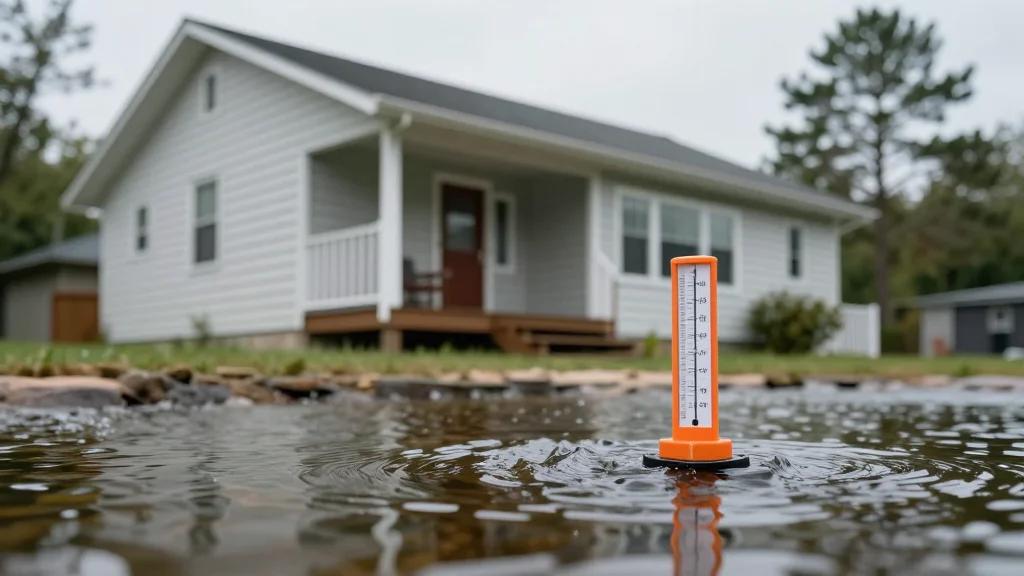
Michigan Floods Expose Gaping Gaps in Homeowners’ Insurance Coverage

Why It Matters
The stark disparity between flood exposure and insurance coverage in Michigan highlights a systemic vulnerability in personal finance planning. Without adequate flood protection, homeowners risk losing equity, facing debt, or even foreclosure after a single event, which can ripple through local economies and strain public assistance programs. Moreover, the trend of insurers tightening exclusions and raising premiums could push low‑income families further into the uninsured pool, widening socioeconomic gaps. As climate change intensifies extreme weather, the financial stakes of under‑insurance grow. Policymakers, insurers, and consumers must align on affordable, comprehensive flood solutions to safeguard personal wealth and community resilience.
Key Takeaways
- •Less than 0.5% of Michigan homes had NFIP flood insurance at the end of 2025.
- •Nationally, only about 6% of households carry flood coverage, per the Insurance Information Institute.
- •Average NFIP premium is $786 annually; private policies may offer higher limits.
- •Under 20% of homes in Michigan’s Special Flood Hazard Areas have any flood insurance.
- •Experts warn insurers are adding exclusions for wind‑driven rain, shrinking protection.
Pulse Analysis
The Michigan flooding episode underscores a classic personal‑finance blind spot: the mismatch between perceived risk and actual coverage. Historically, flood insurance has been an optional add‑on, often overlooked until a disaster strikes. The data from the Insurance Information Institute and the Consumer Federation of America reveal that this optionality has translated into a near‑absence of coverage, especially in high‑risk zones. This creates a hidden liability that can devastate household balance sheets, forcing families to dip into savings, take high‑interest loans, or rely on limited disaster aid.
From a market perspective, insurers face a dilemma. Rising claims from more frequent extreme events pressure them to raise premiums and tighten policy language, which in turn discourages purchase among cost‑sensitive consumers. This feedback loop could accelerate the uninsured rate unless innovative products—such as parametric policies that trigger payouts based on objective flood metrics—gain traction. Private insurers may also need to bundle flood coverage with standard homeowners policies to improve uptake, leveraging economies of scale and simplifying the buying process.
Looking ahead, policymakers have a role in reshaping incentives. Expanding the NFIP’s affordability thresholds, offering tax credits for flood‑resilient home upgrades, or mandating disclosure of flood risk at the point of mortgage origination could close the protection gap. As climate projections point to more intense rain‑on‑snow events across the Great Lakes region, the financial calculus for homeowners will increasingly hinge on proactive flood risk management rather than reactive disaster response.
Michigan Floods Expose Gaping Gaps in Homeowners’ Insurance Coverage
Comments
Want to join the conversation?
Loading comments...