The Best Playbook for Investing During a War Is Usually Doing Nothing
•March 4, 2026
0
Why It Matters
Sticking to a balanced, diversified portfolio protects investors from panic‑driven losses and aligns with proven long‑term market performance, a critical insight for asset managers and individual investors alike.
Key Takeaways
- •Crisis spikes volatility, but long‑term returns stay strong.
- •Diversified index funds outperform active war‑time trading.
- •Market timing rarely beats steady, balanced portfolios.
- •Bonds can cushion equity losses during geopolitical shocks.
- •Recessions may prolong recovery despite “do nothing” approach.
Pulse Analysis
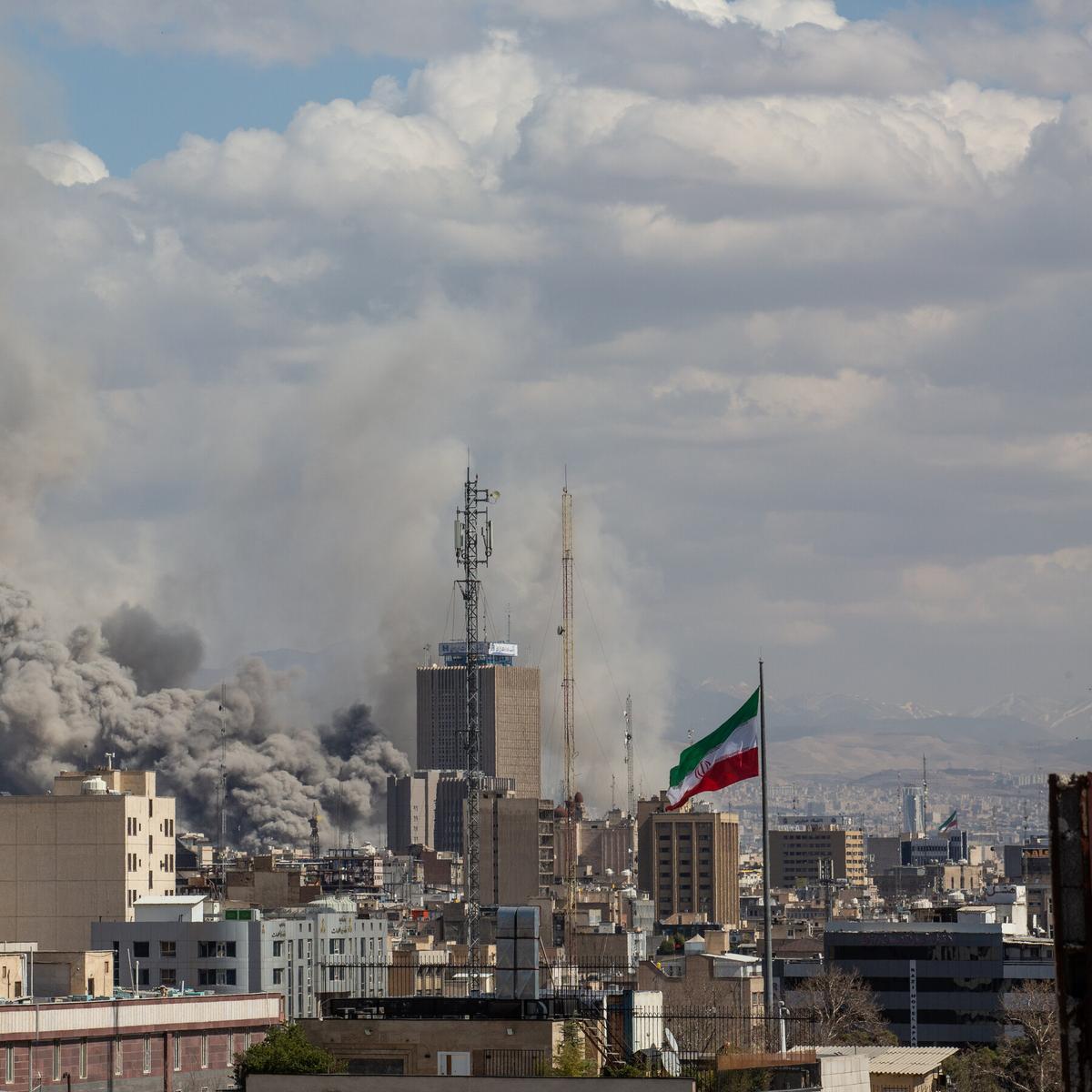
Geopolitical risk, such as the recent Iran‑Israel confrontation, often triggers sharp market swings that can unsettle even seasoned investors. The instinct to chase short‑term gains in commodities, defense equities, or safe‑haven assets is understandable, yet research consistently shows that active trading during crises rarely outperforms a disciplined, diversified strategy. By anchoring portfolios in broad‑market index funds, investors capture the market’s long‑term upward trajectory while minimizing the emotional bias that leads to costly timing errors.
Academic studies and historical market data reinforce the “do nothing” doctrine. During World War II, the 1973 oil shock, and more recent geopolitical events, diversified equity and high‑quality bond holdings have delivered solid returns once volatility subsided. Bonds, in particular, act as a buffer, dampening equity drawdowns and preserving capital when equities falter. This evidence underscores the value of a balanced asset allocation—typically a mix of low‑cost stock and bond index funds—that aligns with an investor’s risk tolerance and time horizon.
Nevertheless, the strategy is not without caveats. A prolonged recession triggered by a geopolitical crisis can delay the market’s rebound, testing investors’ patience. The prudent approach is to regularly review the portfolio’s risk exposure, ensure sufficient liquidity, and avoid knee‑jerk rebalancing. By maintaining a steady course and focusing on long‑term fundamentals, investors position themselves to benefit from the market’s historic resilience, even amid the uncertainty of war.
The Best Playbook for Investing During a War Is Usually Doing Nothing
0
Comments
Want to join the conversation?
Loading comments...