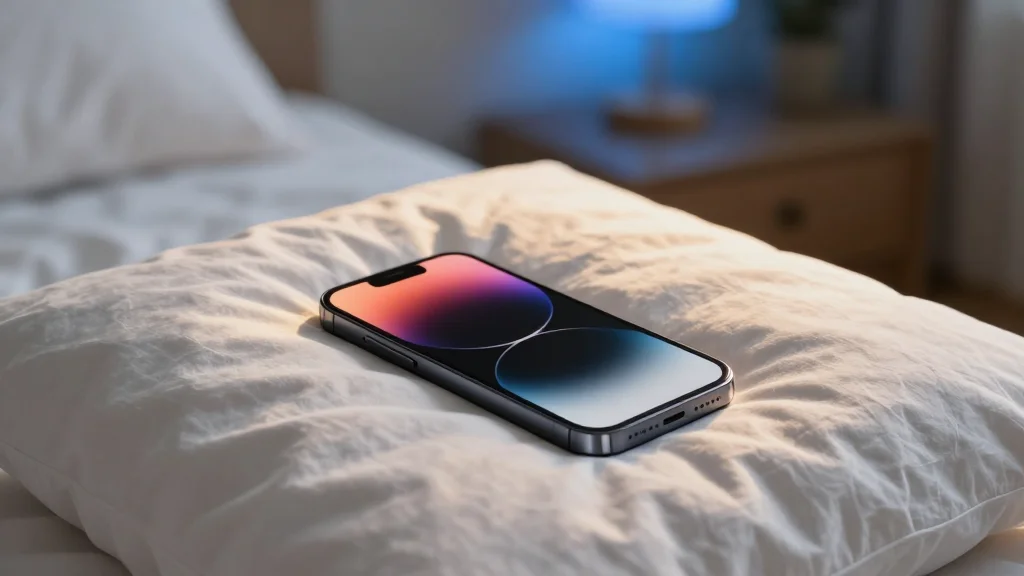
Experts Warn Immediate Phone Check After Waking Sabotages Workday Productivity

Why It Matters
The morning phone‑check habit sits at the intersection of personal mental health and organizational efficiency. By amplifying stress before the workday even begins, it erodes focus, decision‑making capacity, and emotional regulation—key ingredients for high‑performing teams. If left unchecked, the cumulative effect can manifest as higher absenteeism, lower employee engagement, and increased turnover, all of which directly affect a company’s bottom line. Moreover, the recommendation aligns with a broader shift toward intentional digital consumption. As remote and hybrid work models blur the boundaries between personal and professional time, establishing a clear, low‑stimulus start to the day offers a scalable, low‑cost intervention that can be adopted across industries without major infrastructure changes.
Key Takeaways
- •Jackson Parsons of My Duvet Flip warns that checking phone or email within minutes of waking spikes stress.
- •He recommends a minimum 15‑minute phone‑free period after waking to reset the nervous system.
- •“One of the worst things people can do for their stress levels is immediately reach for their phone,” Parsons said.
- •A Fortune 500 internal survey linked early‑morning phone use to 62% higher self‑reported stress.
- •Companies are adding “digital sunrise” guidelines to wellness programs to curb the habit.
Pulse Analysis
The push to eliminate immediate phone use after waking reflects a deeper re‑evaluation of how digital signals shape our neurobiology. Historically, productivity hacks focused on time‑boxing tasks later in the day; this new frontier targets the brain’s first exposure to information, recognizing that cortisol spikes are hardest to reverse once set. By intervening at the earliest possible moment, the 15‑minute rule leverages the brain’s natural homeostatic mechanisms, allowing the parasympathetic system to regain dominance before the sympathetic surge of notifications takes hold.
From a market perspective, the habit’s notoriety creates opportunities for both tech and wellness firms. Smartphone manufacturers can embed delayed‑notification modes, while wellness apps can market guided morning routines that lock out distractions. Early adopters among Fortune 500 firms may see measurable gains in focus‑related KPIs, prompting a ripple effect across mid‑size and startup ecosystems. The challenge will be translating anecdotal success into robust, longitudinal data that convinces skeptical executives that a simple behavioral tweak can justify broader cultural change.
Looking forward, the 15‑minute phone‑free window could evolve into a standardized component of employee onboarding, akin to ergonomics training. If research confirms reductions in cortisol and improvements in task accuracy, we may see regulatory bodies—such as the Occupational Safety and Health Administration—considering guidelines for digital exposure in the workplace. In that scenario, what begins as a personal habit could become a compliance metric, reshaping how organizations think about mental‑health risk management.
Experts Warn Immediate Phone Check After Waking Sabotages Workday Productivity
Comments
Want to join the conversation?
Loading comments...