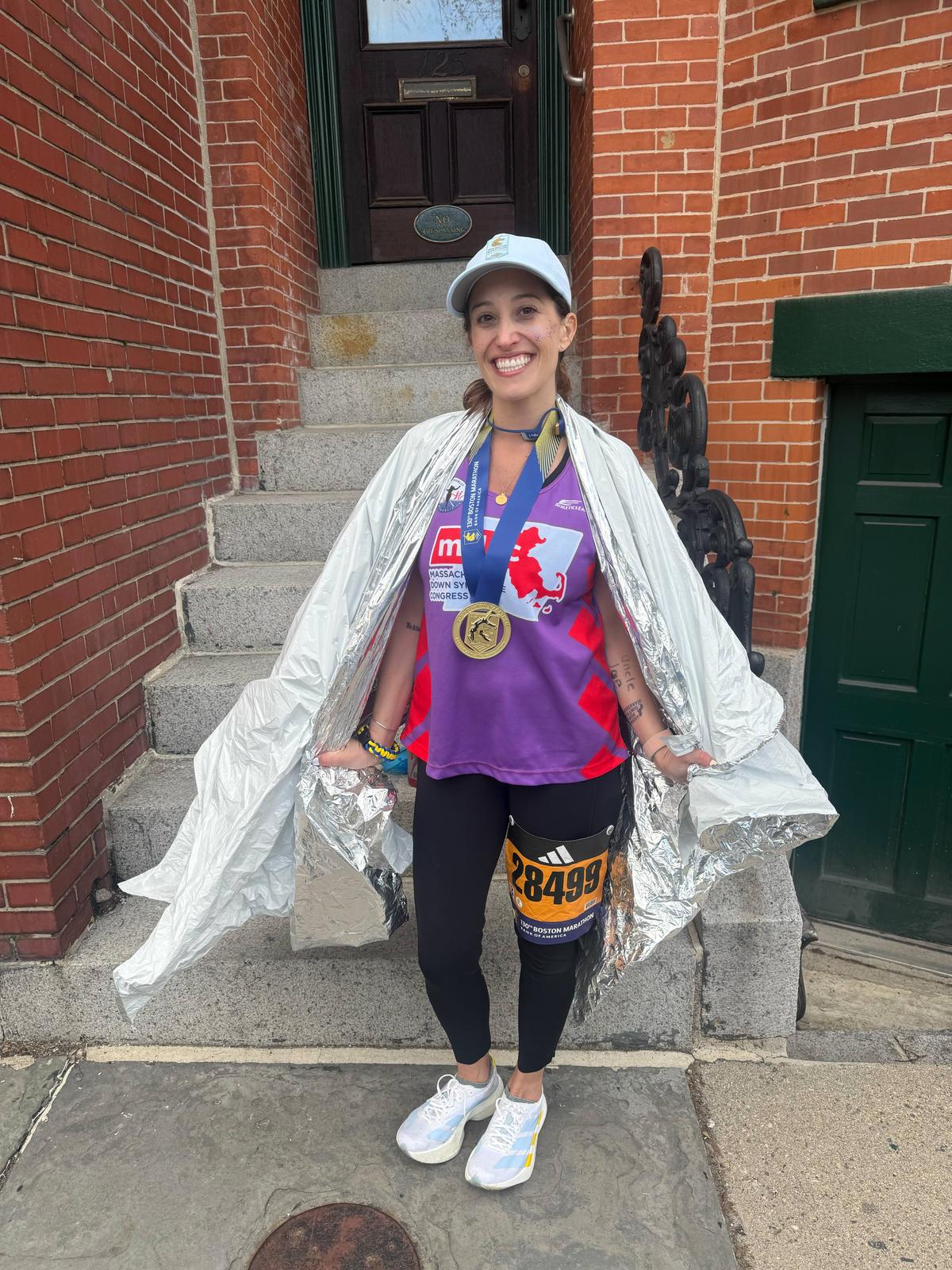
‘I Kept Going’: How the Final Official Finisher of the Boston Marathon Motivated Herself to End Strong
Why It Matters
The cutoff extension preserves the integrity of Boston’s Six‑Star program and signals a shift toward more inclusive marathon policies, affecting thousands of recreational runners.
Key Takeaways
- •BAA extended Boston Marathon cutoff to 5:36 p.m. after start‑line delay
- •Carlie Siegel finished in 6:13:29, just missed original cutoff but earned medal
- •Runner Ann‑Maree Waycott secured Six‑Star medal despite osteoporosis diagnosis
- •Siegel switched from Nike to Adidas shoes after controversial brand signage
- •Medical‑tent glucose drops highlight importance of nutrition for marathoners
Pulse Analysis
The Boston Marathon, one of the World Marathon Majors, traditionally enforces a strict 5:30 p.m. cutoff to award the Six‑Star medal, a badge of completion that carries prestige and often influences sponsorship and qualifying opportunities for other races. This year’s unprecedented six‑minute extension was triggered by a delayed start for the final wave, which did not cross the start line until 11:36 a.m. instead of the planned 11:30 a.m. By granting all participants a full six‑hour window, the Boston Athletic Association avoided penalizing runners who were simply caught in a logistical bottleneck, setting a practical precedent for future large‑scale events.
Beyond the timing adjustment, the race highlighted how health management and mental fortitude intersect in endurance sport. Carlie Siegel’s mid‑race glucose dips required medical‑tent interventions, yet she leveraged positive self‑talk and parental support to stay on course. Similarly, Ann‑Maree Waycott’s finish at 6:01:57 demonstrated that athletes with chronic conditions such as osteoporosis can still achieve elite milestones when training is tailored and nutrition is prioritized. These narratives reinforce the growing emphasis on personalized coaching, on‑course medical services, and the role of running as therapy for anxiety and depression.
The episode also reflects broader industry trends toward greater inclusivity and brand sensitivity. Siegel’s switch from Nike to Adidas after encountering a controversial Nike sign illustrates how athletes increasingly align with brands that echo their values, prompting race organizers to consider the messaging displayed at expos and on course. Moreover, the charity component—Siegel ran for the Massachusetts Down Syndrome Congress—underscores the symbiotic relationship between major marathons and nonprofit fundraising, a dynamic that fuels community engagement and corporate sponsorship. As race directors balance tradition with flexibility, the Boston Marathon’s adaptive response may become a model for other majors.
‘I Kept Going’: How the Final Official Finisher of the Boston Marathon Motivated Herself to End Strong
Comments
Want to join the conversation?
Loading comments...