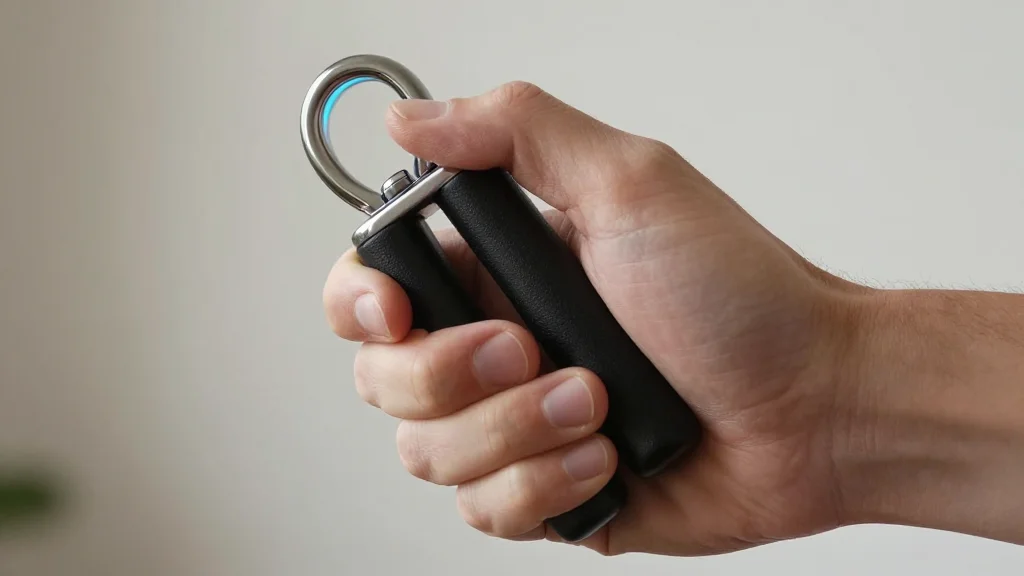
Study Finds Low Grip Strength Raises Depression Risk by 42%

Why It Matters
Understanding that a simple, inexpensive measure like grip strength may flag elevated depression risk reshapes how individuals approach self‑monitoring and preventive wellness. If future studies confirm a causal pathway, personal‑growth programs could embed strength assessments into routine check‑ups, encouraging proactive physical activity as a mental‑health buffer. Moreover, the research bridges the gap between physical and psychological domains, reinforcing the notion that personal development is most effective when it addresses the whole person. The findings also raise policy considerations. Public‑health agencies might explore community‑level screening initiatives that combine physical fitness tests with mental‑health resources, especially in underserved populations where access to traditional psychiatric care is limited. By highlighting a measurable, modifiable factor, the study offers a potential lever for reducing the societal burden of depression.
Key Takeaways
- •Lower grip strength linked to a 42% increase in odds of developing depression
- •Analysis covered 12 studies, 497,336 participants across 14 countries
- •Combined follow‑up totaled more than 3.4 million person‑years
- •Secondary analysis still showed a 26% higher risk, confirming robustness
- •Researchers caution against using grip strength as an individual screening tool
Pulse Analysis
The grip‑strength‑depression link arrives at a moment when the personal‑growth industry is seeking quantifiable metrics to validate its programs. Historically, wellness brands have leaned on subjective self‑reports; this study offers an objective, low‑cost biomarker that could be integrated into digital health platforms, wearable devices and corporate wellness dashboards. However, the translational leap from population‑level association to actionable personal‑growth advice is non‑trivial. Past attempts to commercialize single‑metric health scores—such as “biological age” calculators—have stumbled when users misinterpret risk as certainty.
From a competitive standpoint, fitness app developers may view the data as an opportunity to differentiate their offerings. Embedding grip‑strength tests into routine app assessments could create a new engagement loop, prompting users to log strength‑training sessions and receive mental‑health insights. Yet, the ethical dimension cannot be ignored. Over‑promising mental‑health benefits based on a single physical test could erode trust and invite regulatory scrutiny. Companies that pair strength data with evidence‑based mental‑health resources—like CBT modules or therapist referrals—will likely navigate this terrain more responsibly.
Looking ahead, the key question is whether intervention studies can demonstrate that improving grip strength actually reduces depression incidence. If randomized trials confirm a causal effect, the personal‑growth sector could see a paradigm shift: physical resilience metrics becoming core components of mental‑wellness curricula. Until then, the prudent path is to treat grip strength as a complementary signal, encouraging holistic habits—regular exercise, adequate sleep, social connection—while continuing to prioritize proven mental‑health interventions.
Study Finds Low Grip Strength Raises Depression Risk by 42%
Comments
Want to join the conversation?
Loading comments...