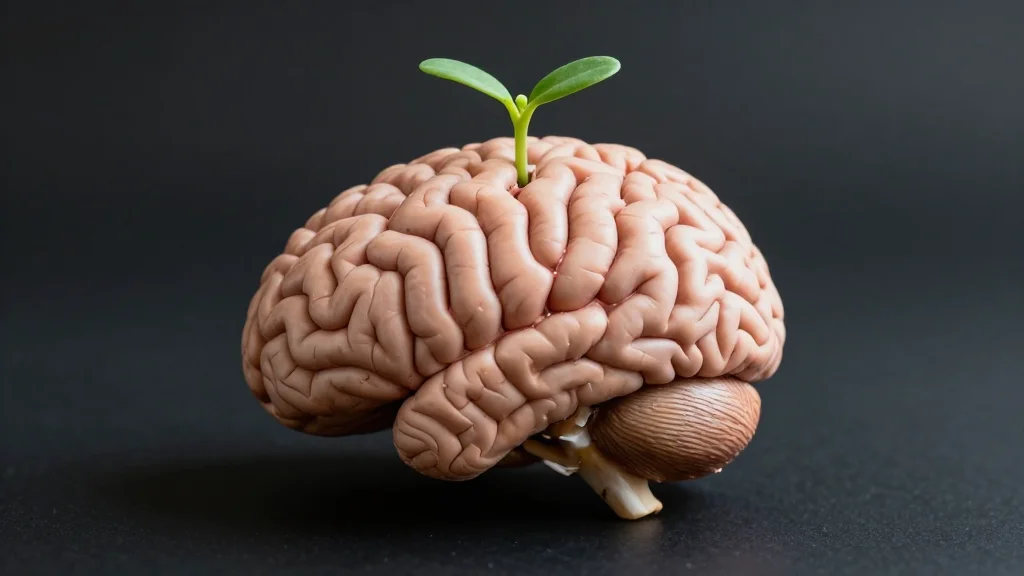
Study of 1 Million People Finds Emotional Intelligence Boosts Mental Health, Work Performance

Why It Matters
Emotional intelligence has long been touted as a soft skill, but this unprecedented synthesis provides quantitative backing that it directly influences core aspects of human flourishing. For individuals seeking personal growth, the study offers a clear, evidence‑based target: improving EI can yield tangible gains in mental health, stress resilience, career performance, and cognitive agility. For policymakers and employers, the research suggests that large‑scale EI training could be a cost‑effective public‑health and productivity lever. By embedding EI curricula in schools, workplaces, and community programs, societies may address rising mental‑health challenges while simultaneously boosting economic output.
Key Takeaways
- •Analysis pooled data from over 1 million participants across 62 systematic reviews.
- •Higher EI correlated with better mental health, coping, work performance, and thinking skills.
- •The relationship held steady across age groups, cultures, and geographic regions.
- •EI is trainable, unlike IQ, offering a scalable lever for personal and organizational development.
- •Findings are likely to spur investment in EI‑focused coaching, apps, and corporate training programs.
Pulse Analysis
The study’s breadth gives it a credibility edge that smaller meta‑analyses have lacked, positioning EI as a cornerstone of the personal‑growth toolkit. Historically, the field has been fragmented, with researchers debating the construct’s measurement validity. By aggregating 62 reviews, the new analysis sidesteps many methodological disputes and presents a unified narrative: emotional intelligence matters, and it matters everywhere.
From a market perspective, the timing is crucial. The self‑improvement sector is saturated with productivity hacks and mindfulness apps, yet few offerings can claim rigorous, cross‑cultural validation. Companies that can demonstrate measurable EI gains will likely differentiate themselves, attracting both consumers and institutional clients. This could accelerate a wave of evidence‑based products, from AI‑driven emotion‑recognition platforms to gamified EI training modules.
Looking ahead, the real test will be translating these macro‑level findings into micro‑level interventions. If future research can pinpoint which training methods most efficiently raise EI scores, we may see a shift from generic wellness programs to precision‑targeted personal‑growth curricula. For now, the study provides a compelling data‑driven argument for anyone looking to invest time and resources into emotional intelligence development.
Study of 1 Million People Finds Emotional Intelligence Boosts Mental Health, Work Performance
Comments
Want to join the conversation?
Loading comments...