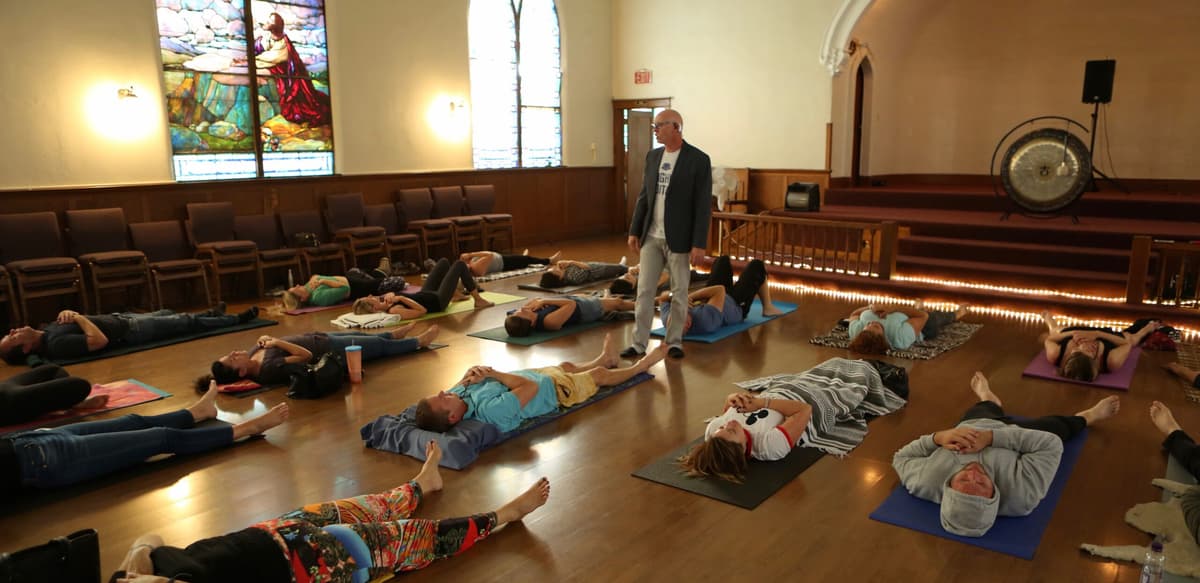
The Role of a Breath Coach in Personal Growth and Wellness
Why It Matters
Breath coaching translates somatic science into measurable stress reduction, creating a scalable alternative to costly therapy and medication. Its growing popularity signals a shift toward body‑first interventions in the wellness industry.
Key Takeaways
- •Breath coaches guide circular connected breathing for sustained nervous‑system regulation
- •One‑on‑one coaching adds personalization and accountability beyond group classes
- •Consistent sessions shift baseline tension, reducing anxiety and stress reactivity
- •Effective for anxiety, trauma, addiction recovery, and emotional stagnation
- •Choose coaches with proven experience and scientific understanding of hypofrontality
Pulse Analysis
The wellness market has seen a pronounced pivot toward somatic modalities that address the body’s role in mental health. Breathwork, once a niche practice, now commands a multi‑billion‑dollar segment as consumers seek rapid, non‑pharmaceutical relief from chronic stress and anxiety. Breath coaches sit at the intersection of this trend, offering a structured, science‑backed alternative to traditional talk therapy. By framing breathwork as a repeatable coaching relationship, they transform a single session into a longitudinal treatment plan, appealing to both individual clients and corporate wellness programs looking for measurable outcomes.
Circular connected breathing—often called conscious connected breathing—relies on a continuous, unbroken rhythm of inhalation and exhalation for roughly 28 minutes. This pattern triggers transient hypofrontality, temporarily quieting the prefrontal cortex and diminishing self‑critical chatter. The physiological cascade includes increased vagal tone, reduced cortisol, and a release of stored somatic trauma. Emerging research links these shifts to improved emotional regulation and neuroplasticity, offering a credible explanation for the profound relief many clients experience after just one session. The technique’s intensity also demands skilled facilitation to ensure safety and optimal integration.
From a business perspective, the rise of breath coaching creates both opportunity and responsibility. As demand surges, platforms that vet and certify coaches based on scientific literacy and hands‑on experience will differentiate themselves in a crowded market. Partnerships with health insurers, employee assistance programs, and mental‑health providers can embed breath coaching into broader care pathways, driving recurring revenue streams. Moreover, data‑driven outcome tracking—such as reductions in self‑reported anxiety scores—will be essential for scaling credibility and securing investment in this fast‑growing segment.
The Role of a Breath Coach in Personal Growth and Wellness
Comments
Want to join the conversation?
Loading comments...