Times of India Details Dopamine Burnout and 10 Superfoods to Reset Brain Chemistry

Companies Mentioned

Times of India
Why It Matters
Dopamine burnout directly impacts the capacity to set and achieve personal goals, making it a critical issue for anyone focused on self‑improvement. As digital platforms continue to dominate daily routines, understanding how overstimulation erodes motivation helps individuals design healthier habits that protect mental resilience. The Times of India's guide translates neuroscience into everyday practice, bridging a gap between academic findings and actionable personal‑growth strategies. Moreover, the article’s emphasis on diet and lifestyle aligns with a broader shift toward holistic well‑being, where mental performance is seen as inseparable from physical health. By spotlighting concrete steps—like incorporating specific superfoods and reducing passive screen time—the piece empowers readers to take ownership of their neurochemical health, potentially reducing reliance on clinical interventions for motivation‑related issues.
Key Takeaways
- •Times of India publishes a guide on dopamine burnout, linking it to digital overstimulation.
- •Four main drivers identified: endless digital cues, reward without effort, chronic stress, and comparison culture.
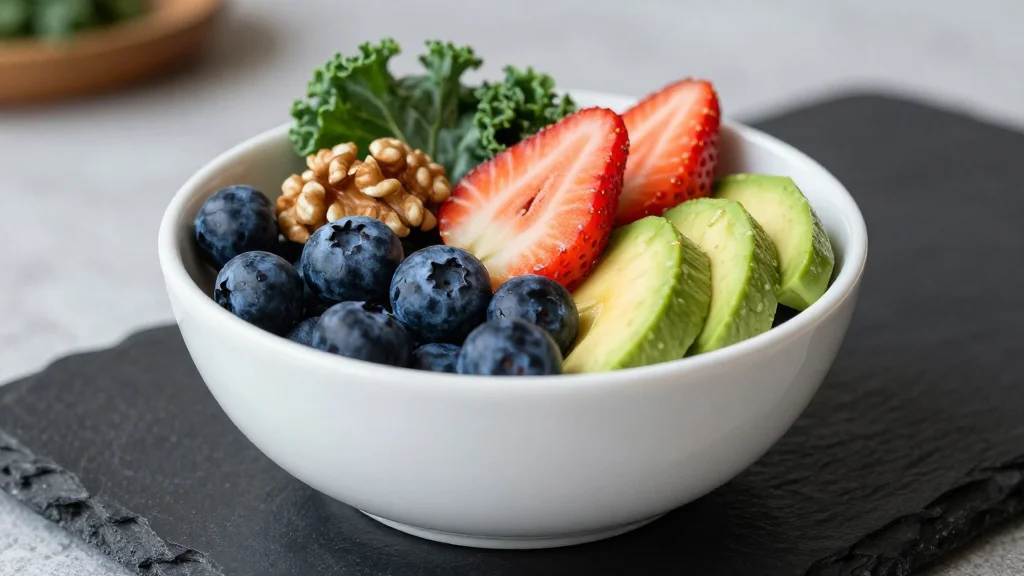
- •The article lists ten superfoods (e.g., blueberries, nuts, dark chocolate) to naturally boost dopamine.
- •A step‑by‑step reset plan emphasizes reduced screen time, effort‑based activities, and better sleep.
- •The guide frames dopamine health as essential for sustained personal growth and goal achievement.
Pulse Analysis
The Times of India’s foray into dopamine burnout reflects a broader media trend of translating complex neuroscience into lifestyle content. Historically, personal‑growth advice has leaned on psychology and habit‑formation frameworks; this piece adds a neurochemical layer, suggesting that motivation deficits may stem from biochemical desensitization rather than purely willpower. By anchoring the narrative in dopamine’s role in anticipation, the article legitimizes the experience of ‘nothing feeling exciting’ and offers a science‑backed counterpoint to purely motivational rhetoric.
From a market perspective, the integration of dietary recommendations signals an expanding convergence between wellness publishing and nutrition brands. As readers seek quick, evidence‑based fixes, publishers that can bundle credible science with actionable tips—especially those that can be monetized through affiliate links or partnerships with health food companies—stand to capture a lucrative segment of the personal‑growth audience. However, the lack of original research or expert attribution in the Times of India piece may limit its authority among more skeptical consumers, opening space for competitors to differentiate with clinician‑led content.
Looking forward, the dopamine burnout narrative is likely to evolve as longitudinal studies quantify the impact of chronic digital exposure on reward pathways. If future data confirm the article’s premises, we may see a wave of personalized neuro‑wellness platforms that combine brain‑tracking wearables with diet and habit recommendations. For now, the Times of India’s guide serves as a timely entry point, nudging readers toward incremental lifestyle changes that could stave off deeper motivational crises and sustain long‑term personal growth.
Times of India Details Dopamine Burnout and 10 Superfoods to Reset Brain Chemistry
Comments
Want to join the conversation?
Loading comments...