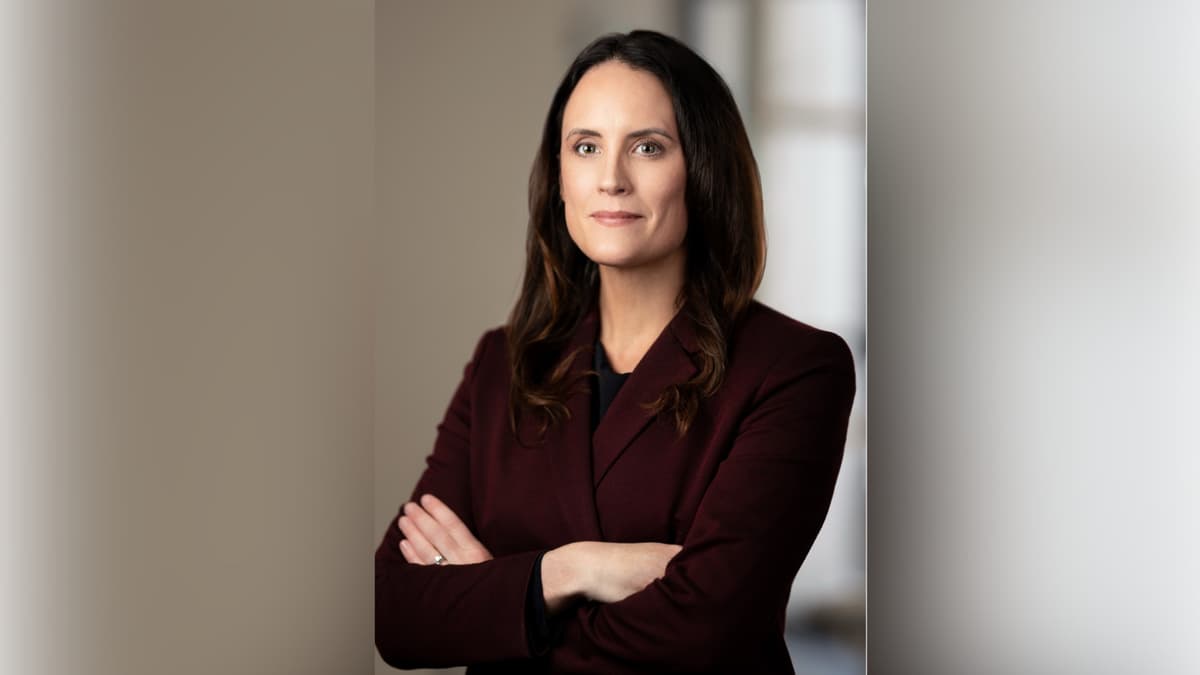
Accelerating Speed to Patient: A Conversation With Eli Lilly’s Sarah O’Keeffe
Key Takeaways
- •Lilly invests $4.5 B in Medicine Foundry, opening 2027
- •Facility will merge discovery, development, and manufacturing under one roof
- •1,500‑person PRD team drives scalable production of advanced therapies
- •Digital AI platform will automate data handoffs, cutting days from clinical timelines
- •Internal biologics capability proved critical during COVID‑19, prompting expansion to small molecules
Pulse Analysis
The pharmaceutical landscape is shifting from small‑molecule pills to sophisticated modalities such as peptides, RNA therapeutics, and cell‑based biologics. These new classes promise higher efficacy but demand entirely different manufacturing processes, equipment, and analytical methods. Traditional linear pipelines—where discovery hands off a molecule to development, then to a separate manufacturing site—create bottlenecks that can add months, if not years, to a drug’s timeline. Companies that can integrate these stages are better positioned to capitalize on rapid target identification driven by genomics and AI, turning scientific breakthroughs into marketable products before competitors catch up.
Eli Lilly’s Medicine Foundry embodies that integrated vision. Announced as part of a $4.5 billion investment, the campus will co‑locate discovery labs, process development suites, and a full‑scale active‑pharmaceutical‑ingredients (API) plant. Under Sarah O’Keeffe’s leadership, the 1,500‑person product research and development organization will embed digital twins, real‑time analytics, and AI‑guided decision engines to eliminate paper‑based handoffs. By linking experimental data directly to manufacturing controls, the Foundry aims to reduce the “time‑to‑patient” metric by days, a tangible advantage in fast‑moving therapeutic areas like obesity, oncology, and infectious‑disease prevention.
If successful, Lilly’s model could reshape industry standards. An integrated, data‑centric facility not only accelerates development but also lowers cost of goods by enabling greener, solvent‑efficient processes and continuous manufacturing at scale. Competitors may be forced to adopt similar strategies or risk falling behind in the race to deliver next‑generation medicines. However, the high capital outlay and the need for cross‑functional cultural change present risks. Balancing the promise of speed with rigorous regulatory compliance will be critical as the Foundry moves toward operational status in 2027.
Accelerating Speed to Patient: A Conversation With Eli Lilly’s Sarah O’Keeffe
Comments
Want to join the conversation?