
ASCO26: Revolution's 'Grand Slam' Data in Pancreatic Cancer
Revolution Medicines reported that its pan‑RAS(on) inhibitor daraxonrasib more than doubled overall survival in the RASolute 302 trial for metastatic pancreatic ductal adenocarcinoma, achieving a median of 13.2 months versus 6.7 months with standard second‑line chemotherapy. Progression‑free survival also doubled, reaching 7.2 months compared with 3.6 months. The drug showed a favorable safety profile, with only 1.2% of patients discontinuing due to adverse events versus 11.2% on chemo. The results, published in NEJM, have accelerated the FDA’s priority review and prompted early‑access shipments to U.S. physicians.
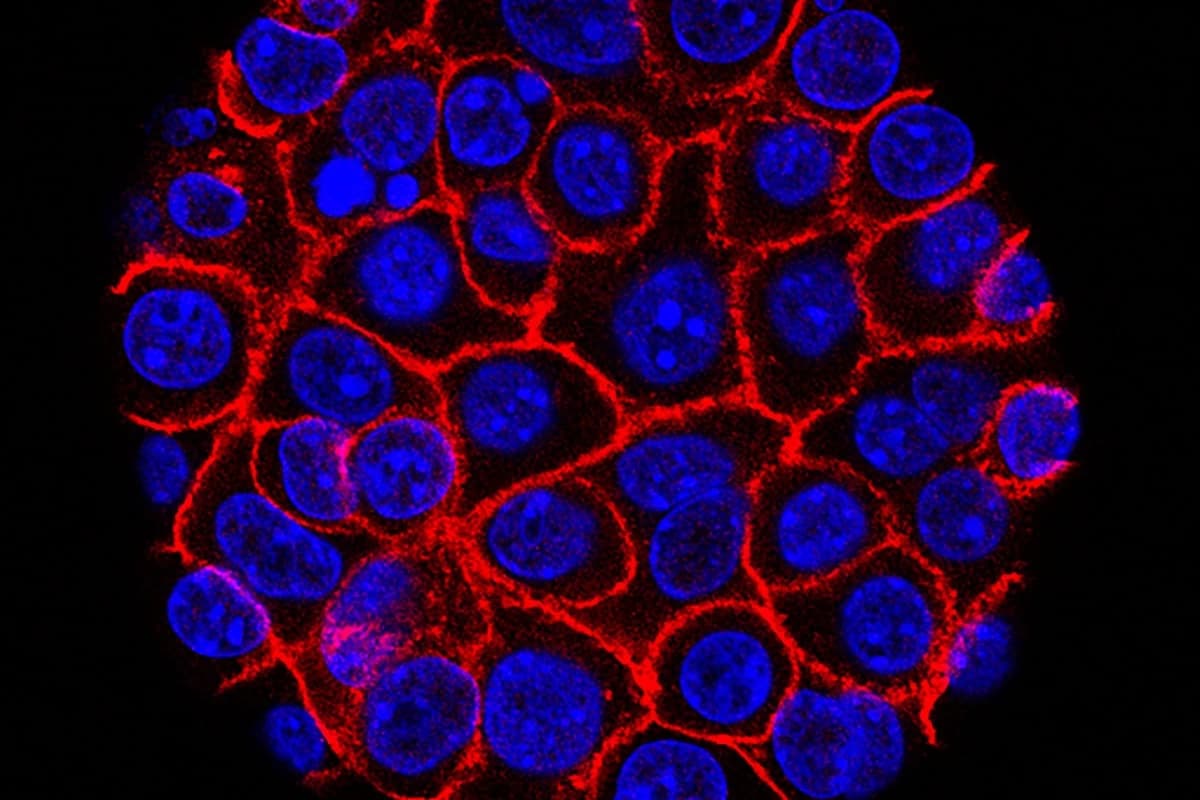
Experimental Pill Promises New Hope for Deadly Pancreatic Cancer
Researchers reported that the experimental pill daraxonrasib, which blocks mutated KRAS proteins, nearly doubled median survival for patients with advanced pancreatic cancer to 13.2 months versus 6.7 months on chemotherapy. The drug showed fewer severe side effects and improved quality...
ASCO26: Big Win for Erleada in Perioperative Prostate Cancer
Johnson & Johnson’s Erleada (apalutamide) dramatically improved outcomes when added to radical prostatectomy plus androgen‑deprivation therapy in a 2,109‑patient global trial presented at ASCO. Complete or near‑complete pathological response rose ninefold to 8.9% versus 1% in the control arm. Patients...

How S&P 500 Giant Pfizer Is Tackling Hard-To-Treat Cancers
Pfizer announced that its Braftovi‑based regimen more than doubled progression‑free survival for patients with BRAF‑mutated colon cancer, extending median PFS to 15.2 months versus 8.3 months with chemotherapy. The combination also cut overall death risk by 44% and lowered progression...
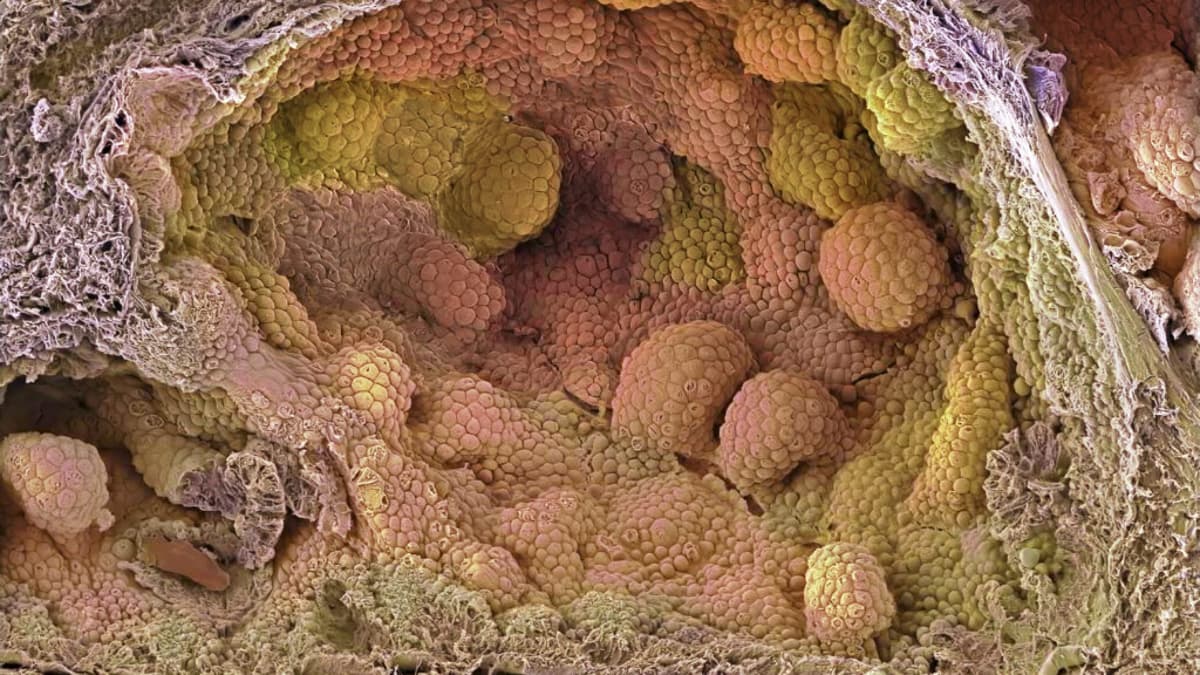
STAT+: For Prostate Cancer Patients Set on Surgery, New Hormone Regimen May Improve Outcomes, Study Finds
A phase‑3 PROTEUS trial found that administering two hormone therapies before and after prostatectomy outperformed a single‑hormone regimen in high‑risk, early‑stage patients. The dual approach reduced biochemical recurrence and improved margin‑negative resection rates. Oncologists view the data as a potential...
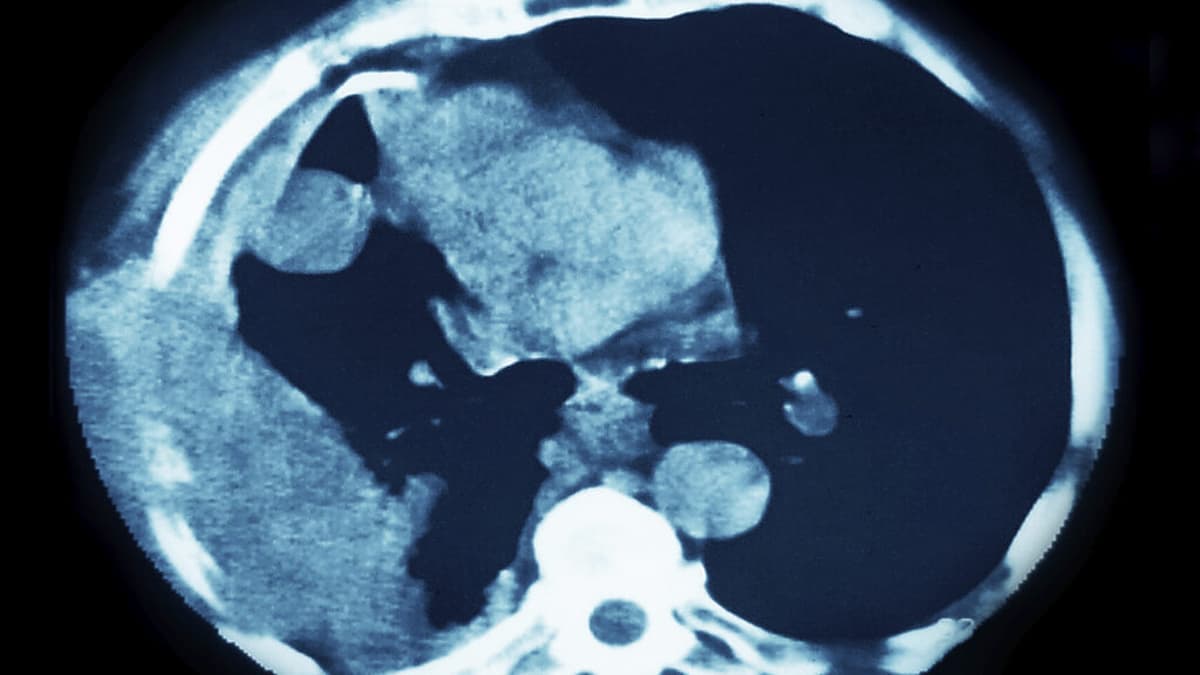
STAT+: Akeso and Summit’s Ivonescimab Extends Survival in Squamous Cell Lung Cancer
Ivonescimab, a dual‑action antibody co‑developed by Akeso Therapeutics and Summit Therapeutics, cut mortality risk by 34% versus standard therapy in a China‑only trial for squamous non‑small cell lung cancer. The data, unveiled at ASCO and published in The Lancet, represent...

NeuExcell Therapeutics Announces Encouraging Data of NXL-004 in Recurrent Malignant Glioma at 2026 ASCO
NeuExcell Therapeutics announced that its first‑in‑human gene therapy NXL‑004 for recurrent malignant glioma earned a Rapid Oral presentation slot at ASCO 2026. The AAV‑NeuroD1 platform was tested in eleven patients, showing a favorable safety profile with no drug‑related serious adverse...

HIV in South Africa: Why Rolling Out a Groundbreaking New Shot Will Miss a Critical Group of Men
The U.S. shipped the first batch of lenacapavir, a long‑acting injectable HIV‑prevention shot, to South Africa in early April 2026, with rollout slated for June. Clinical trials show close to 100% efficacy with just two doses per year. The national...

Targeting BCL2: New Hope for Pancreatitis Therapy?
Researchers have identified the anti‑apoptotic protein BCL2 as a therapeutic target for acute pancreatitis, a condition that currently lacks disease‑modifying drugs. Preclinical studies using a selective BCL2 inhibitor demonstrated a marked reduction in pancreatic inflammation and cell death. Building on...

ARACOG Trial Links Enzalutamide to Greater Cognitive Decline Compared With Darolutamide: Alicia Morgans, MD, MPH
The phase‑2 ARACOG trial directly compared the cognitive impact of two androgen‑receptor pathway inhibitors in advanced prostate cancer. At 24 weeks, patients on darolutamide experienced a 15.8% decline on a neuropsychological test versus a 36.1% decline with enzalutamide. The advantage...

Eikon Therapeutics Presents Data on Clinical-Stage Programs at the 2026 Annual Meeting of the American Society of Clinical Oncology
Eikon Therapeutics presented six ASCO 2026 abstracts highlighting late‑stage data for its lead candidates. In the Phase 2 TeLuRide‑005 trial, the TLR7/8 dual agonist EIK1001 combined with pembrolizumab and chemotherapy achieved a 63.1% objective response rate and a 90.8% disease‑control rate...

Tezepelumab Helps Severe Asthma Patients Reduce Oral Steroids over 28 Weeks
A Phase III SUNRISE trial published in The Lancet Respiratory Medicine shows tezepelumab enables severe asthma patients to sharply cut their reliance on oral corticosteroids. Over 28 weeks, 69% of participants on the drug achieved at least a 50% dose reduction...
ITM Announces Phase 3 COMPETE Patient-Reported Quality of Life Data with N.c.a. ¹⁷⁷Lu-Edotreotide (ITM-11) Vs. Everolimus at ASCO 2026
ITM Isotope Technologies presented Phase 3 COMPETE patient‑reported quality‑of‑life data at ASCO 2026, showing that non‑carrier‑added ¹⁷⁷Lu‑edotreotide (ITM‑11) outperformed everolimus in gastroenteropancreatic neuroendocrine tumors (GEP‑NETs). In a cohort of 309 patients, the radiopharmaceutical maintained QoL scores (+0.9) while everolimus saw a decline...
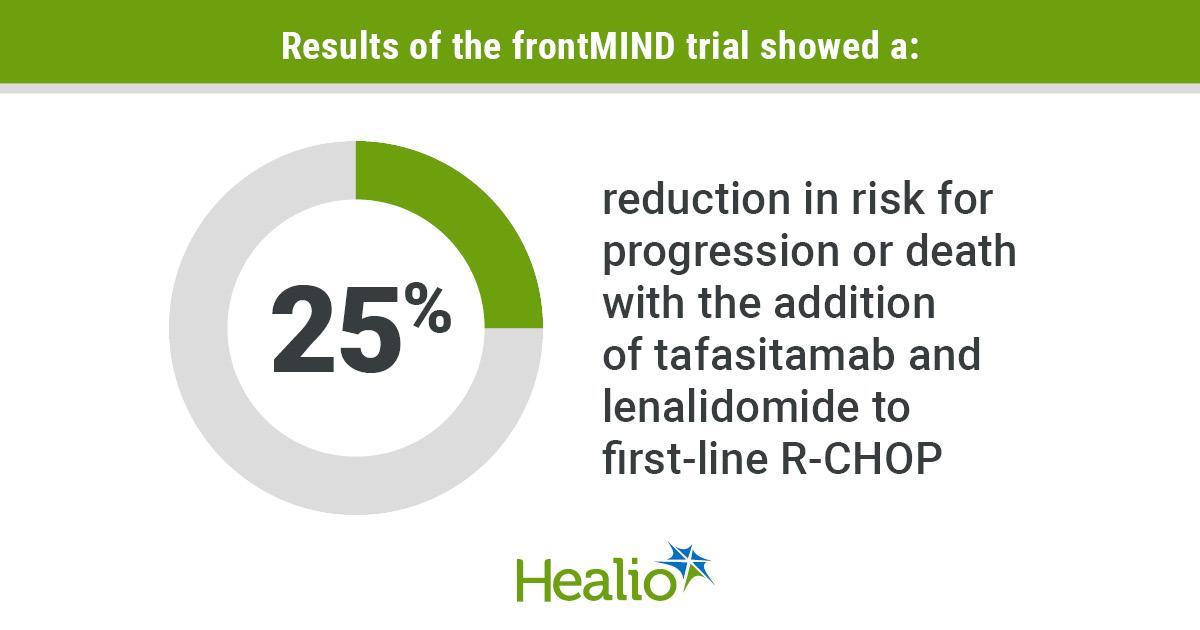
Regimen May Become ‘a Standard’ for Aggressive Lymphomas
A phase‑3 frontMIND trial showed that adding tafasitamab and lenalidomide to standard R‑CHOP cuts the risk of progression or death by 25% in newly diagnosed high‑risk diffuse large B‑cell lymphoma (DLBCL) and high‑grade B‑cell lymphoma. The experimental arm achieved 71%...

STAT+: Revolution Medicines Starts Shipping Experimental Pancreatic Cancer Drug
Revolution Medicines has begun shipping its experimental pancreatic cancer therapy, daraxonrasib, to physicians through an FDA‑authorized early‑access program. The rollout follows Phase 3 data released in mid‑April showing patients lived nearly twice as long as those on standard chemotherapy—the longest survival...