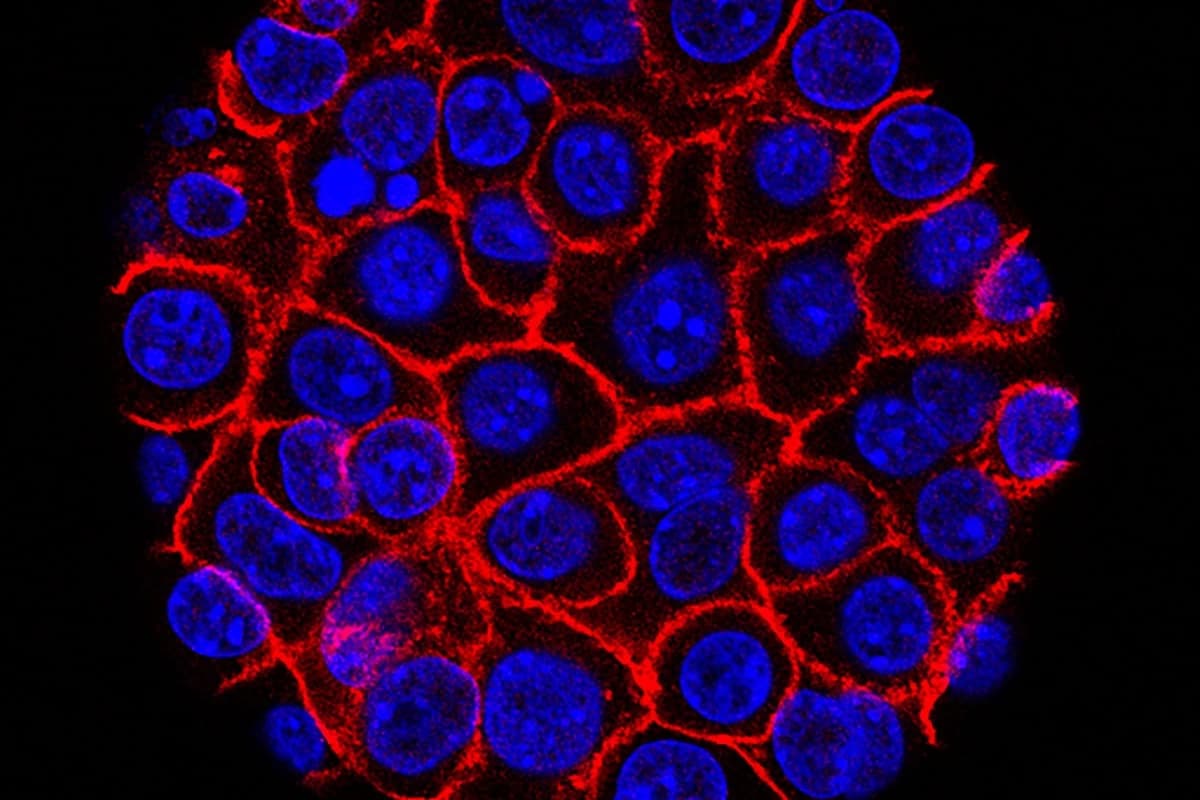
Experimental Pill Promises New Hope for Deadly Pancreatic Cancer
Companies Mentioned
Why It Matters
Daraxonrasib offers the first substantial survival advantage over chemotherapy for metastatic pancreatic cancer, addressing a critical unmet need and potentially establishing a new standard of care.
Key Takeaways
- •Daraxonrasib doubled median survival to 13.2 months vs 6.7 months
- •Pill showed fewer severe side effects and improved quality of life
- •FDA will expedite review and allow expanded access for patients
- •Drug targets KRAS mutations previously deemed “undruggable.”
- •Researchers plan to test daraxonrasib earlier and post‑surgery
Pulse Analysis
Pancreatic adenocarcinoma remains one of the deadliest malignancies in the United States, with a five‑year survival rate hovering around 13 percent and more than 52,000 deaths projected this year. The disease is driven in over 90 percent of cases by mutations in the KRAS gene, a protein long labeled “undruggable” because its structure resists conventional inhibitors. Revolution Medicines’ experimental pill daraxonrasib uses a molecular‑glue mechanism to lock onto multiple KRAS subtypes, finally delivering a targeted attack that has eluded researchers for decades.
In a randomized phase III trial of 500 patients with metastatic pancreatic cancer that had progressed on standard chemotherapy, daily daraxonrasib extended median overall survival to 13.2 months, compared with 6.7 months for the chemotherapy control. Patients also reported less pain, fewer severe adverse events such as rash and mouth sores, and a higher quality‑of‑life score, allowing many to remain on therapy longer than the control group. The U.S. Food and Drug Administration has signaled an expedited review and granted expanded‑access enrollment, reflecting the urgency of new options for this patient population.
If the survival gap persists in longer follow‑up, daraxonrasib could become the new standard of care for previously treated metastatic disease and may move earlier in the treatment algorithm, potentially shrinking tumors enough to make surgical resection feasible. Ongoing studies will probe efficacy across specific KRAS variants and evaluate combination strategies with immunotherapies or adjuvant vaccines. The breakthrough underscores a broader shift toward precision oncology in pancreatic cancer, offering investors and biotech firms a clear signal that “undruggable” targets can be successfully tackled.
Experimental pill promises new hope for deadly pancreatic cancer
Comments
Want to join the conversation?
Loading comments...