Regimen May Become ‘a Standard’ for Aggressive Lymphomas
Companies Mentioned

Why It Matters
The data offer the first statistically significant improvement over R‑CHOP in two decades, potentially raising cure rates for the 40% of DLBCL patients who currently relapse. Adoption would reshape first‑line therapy and set a new benchmark for future immunochemotherapy combinations.
Key Takeaways
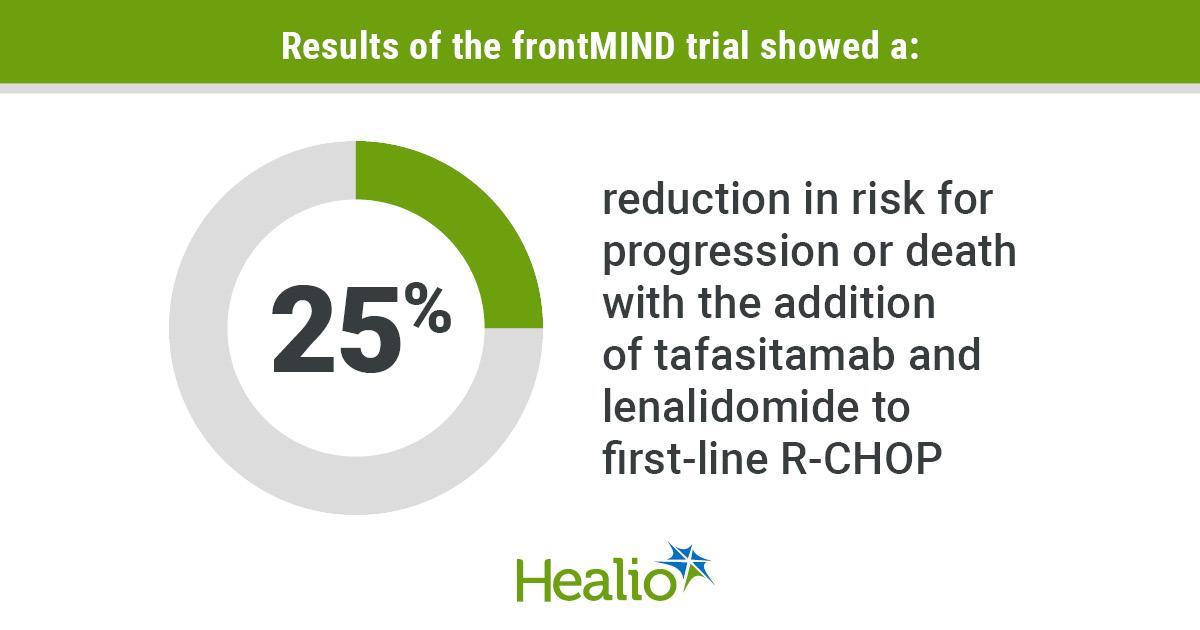
- •FrontMIND trial: tafasitamab+lenalidomide+R‑CHOP cuts progression risk 25%.
- •2‑year PFS 71% vs 63% versus R‑CHOP alone.
- •Grade 3+ adverse events rise to 87% with experimental regimen.
- •First phase‑3 in 20 years to improve frontline DLBCL outcomes.
- •Bispecific antibody trials may further reshape aggressive lymphoma treatment.
Pulse Analysis
Diffuse large B‑cell lymphoma (DLBCL) remains the most common aggressive lymphoma, with roughly 40% of patients failing the two‑decade‑old R‑CHOP regimen. The frontMIND trial enrolled 899 high‑risk patients and tested a triplet of tafasitamab, an anti‑CD19 monoclonal antibody, and lenalidomide alongside R‑CHOP. By targeting CD19 and modulating the tumor microenvironment, the combination seeks to eradicate residual disease that standard chemotherapy often leaves behind, addressing a long‑standing unmet need for more curative frontline options.
The trial’s primary endpoint—progression‑free survival—showed a 25% relative risk reduction, translating into a two‑year PFS of 71% compared with 63% for R‑CHOP alone. Subgroup analyses revealed consistent benefits across cell‑of‑origin classifications, and a trend toward improved overall survival emerged despite not reaching statistical significance yet. Safety signals were acceptable; while grade 3‑4 adverse events rose modestly, the backbone R‑CHOP dose intensity remained intact, suggesting the added agents do not compromise chemotherapy delivery. These results mark only the second phase‑3 study in twenty years to demonstrate a clear frontline advantage in DLBCL.
If regulators grant approval, the tafasitamab‑lenalidomide‑R‑CHOP regimen could become a new standard for high‑risk patients, challenging the recent polatuzumab‑R‑CHP approval and prompting head‑to‑head comparisons. Ongoing bispecific antibody trials, such as SKYGLO and EPCORE DLBCL‑2, may further diversify the therapeutic landscape, offering clinicians multiple immunochemotherapy strategies. The convergence of antibody‑drug conjugates, bispecifics, and novel immunomodulators signals a transformative era for aggressive lymphoma care, with the potential to lift cure rates well beyond the historic 60% benchmark.
Regimen may become ‘a standard’ for aggressive lymphomas
Comments
Want to join the conversation?
Loading comments...