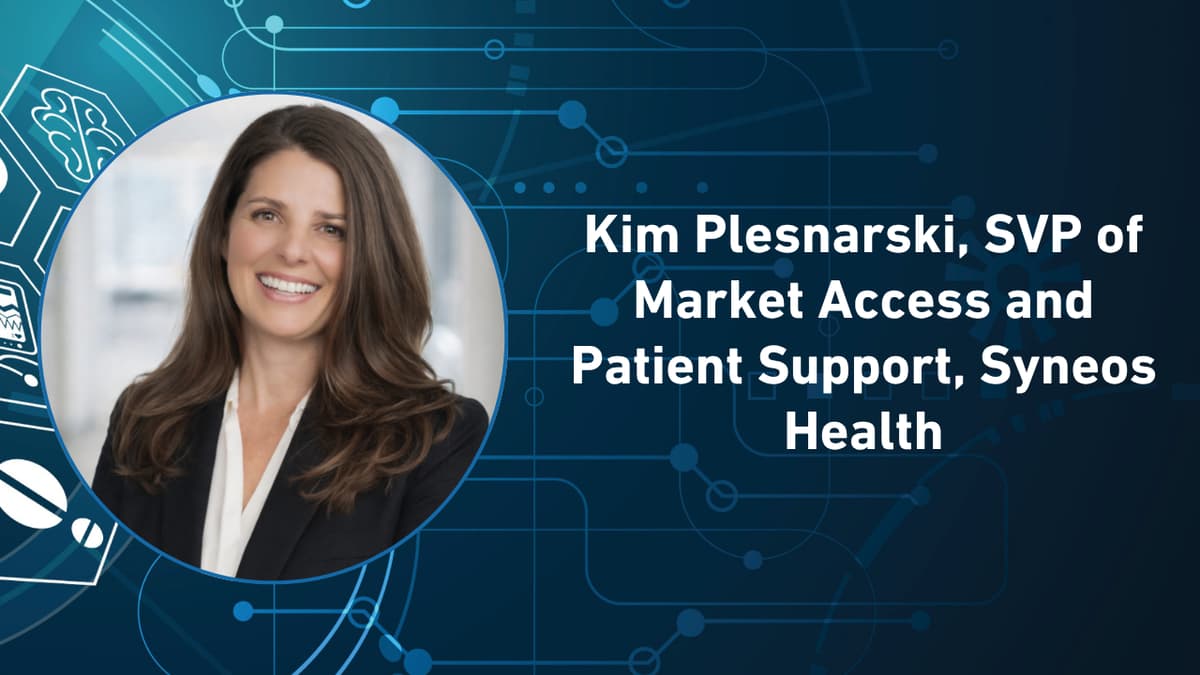
Asembia AXS26: Why Pharma Can’t Afford to “Go It Alone” Anymore
Key Takeaways
- •Legacy support programs ignore brand lifecycle and stakeholder nuances.
- •Agile designs can adapt within months to market changes.
- •Procurement‑first contracts stifle innovation and speed.
- •Outcome‑based incentives drive faster patient access.
- •Collaborative models improve cost efficiency and therapeutic impact.
Pulse Analysis
Pharma’s financial landscape is tightening as R&D spending climbs above $200 billion annually and payer scrutiny intensifies. Manufacturers must now balance the pressure to launch innovative therapies with the reality of constrained budgets and fragmented reimbursement pathways. This environment pushes companies to rethink patient‑support programs, moving away from one‑size‑fits‑all solutions toward models that can be reconfigured quickly as market conditions evolve.
Outdated program designs—often built around static enrollment criteria and generic communication tactics—fail to account for a drug’s lifecycle stage or the nuanced preferences of clinicians and patients. Modern approaches leverage data analytics, digital engagement tools, and modular service components that can be launched or retired within weeks. By aligning support services with specific therapeutic milestones, firms can improve adherence, reduce administrative overhead, and demonstrate measurable value to payers.
The partnership paradigm is also shifting. Traditional procurement‑driven contracts prioritize upfront cost reductions, which can suppress innovation and slow time‑to‑access. Emerging outcome‑based agreements tie reimbursement to metrics such as speed of formulary placement, real‑world effectiveness, and patient satisfaction. These collaborations incentivize all parties—manufacturers, providers, and payers—to co‑create solutions that accelerate therapy adoption while controlling total cost of care. As the industry embraces these flexible, results‑orientated models, firms that adapt quickly will secure competitive advantage and better serve patients.
Asembia AXS26: Why Pharma Can’t Afford to “Go It Alone” Anymore
Comments
Want to join the conversation?