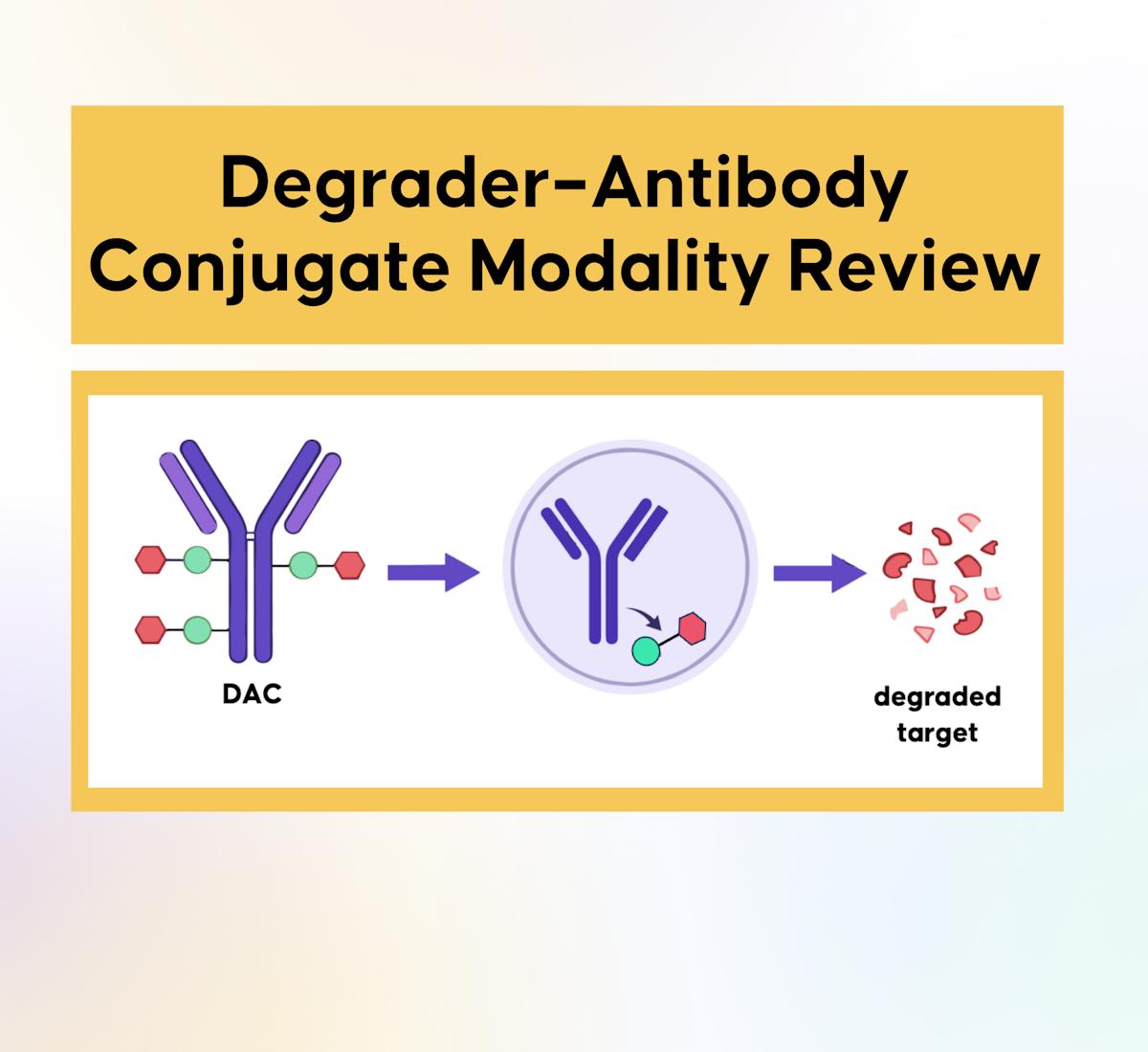
Degrader–Antibody Conjugates: Can Targeted Delivery Improve Tolerability?

Key Takeaways
- •DACs combine antibody specificity with degrader potency
- •Preclinical models show reduced off‑target toxicity
- •First‑in‑human DAC trials expected by late 2026
- •Manufacturing complexity remains a key hurdle
- •Potential to expand degrader use beyond oncology
Pulse Analysis
Targeted protein degradation has emerged as a transformative modality, yet systemic delivery of small‑molecule degraders often triggers dose‑limiting toxicities. Degrader‑antibody conjugates (DACs) address this gap by tethering a degrader to an antibody that homes in on disease‑associated antigens. The antibody component acts as a delivery vehicle, concentrating the degrader at the site of pathology while limiting exposure to normal tissues. This hybrid strategy preserves the catalytic mechanism of PROTACs—continuous target elimination—but adds a layer of spatial control that could redefine therapeutic indices across oncology and beyond.
In mouse xenograft models, DACs targeting HER2‑positive tumors achieved >90% reduction of the oncogenic protein with minimal liver enzyme elevations, a stark contrast to the hepatic toxicity observed with unconjugated degraders at equivalent doses. Pharmacokinetic profiling revealed prolonged plasma half‑life due to the antibody scaffold, enabling less frequent dosing schedules. Early safety data from non‑human primates corroborate these findings, showing lower systemic cytokine spikes and reduced weight loss. These results suggest that the conjugate format not only mitigates adverse events but also enhances drug exposure at the tumor microenvironment, potentially allowing lower overall dosing and cost savings.
The commercial implications are significant. Analysts estimate the global protein degrader market could exceed $15 billion by 2030, and DACs may capture a sizable share by offering a safer, more marketable product. However, challenges remain: conjugation chemistry must preserve both antibody binding affinity and degrader activity, and large‑scale manufacturing will require new bioprocessing capabilities. Regulatory pathways are still evolving, with the FDA likely to treat DACs as combination products. If these hurdles are navigated, DACs could become the preferred platform for tackling traditionally “undruggable” proteins, ushering in a new wave of precision therapeutics.
Degrader–Antibody Conjugates: Can Targeted Delivery Improve Tolerability?
Comments
Want to join the conversation?