Endometriosis Inspires Re-Examination of Known Targets at the Inaugural HERS Meeting

Key Takeaways
- •HERS meeting highlights endometriosis‑driven repurposing of anti‑inflammatory targets
- •New data links progesterone receptor modulators to lesion regression
- •Genetic profiling uncovers overlap between endometriosis and ovarian cancer pathways
- •Biomarker GDF15 emerges as potential diagnostic and therapeutic cue
- •Industry partners pledge $30 M for collaborative target validation programs
Pulse Analysis
Endometriosis affects an estimated 190 million women worldwide, causing chronic pelvic pain, infertility, and substantial healthcare costs. Traditional therapeutic approaches have focused on hormonal suppression, yet many patients experience incomplete relief or adverse effects. The disease’s complex interplay of inflammation, angiogenesis, and aberrant tissue remodeling makes it a fertile ground for uncovering broader biological mechanisms that extend beyond gynecology. By treating endometriosis as a discovery engine, researchers can interrogate pathways that are also relevant to oncology, metabolic disorders, and autoimmune conditions.
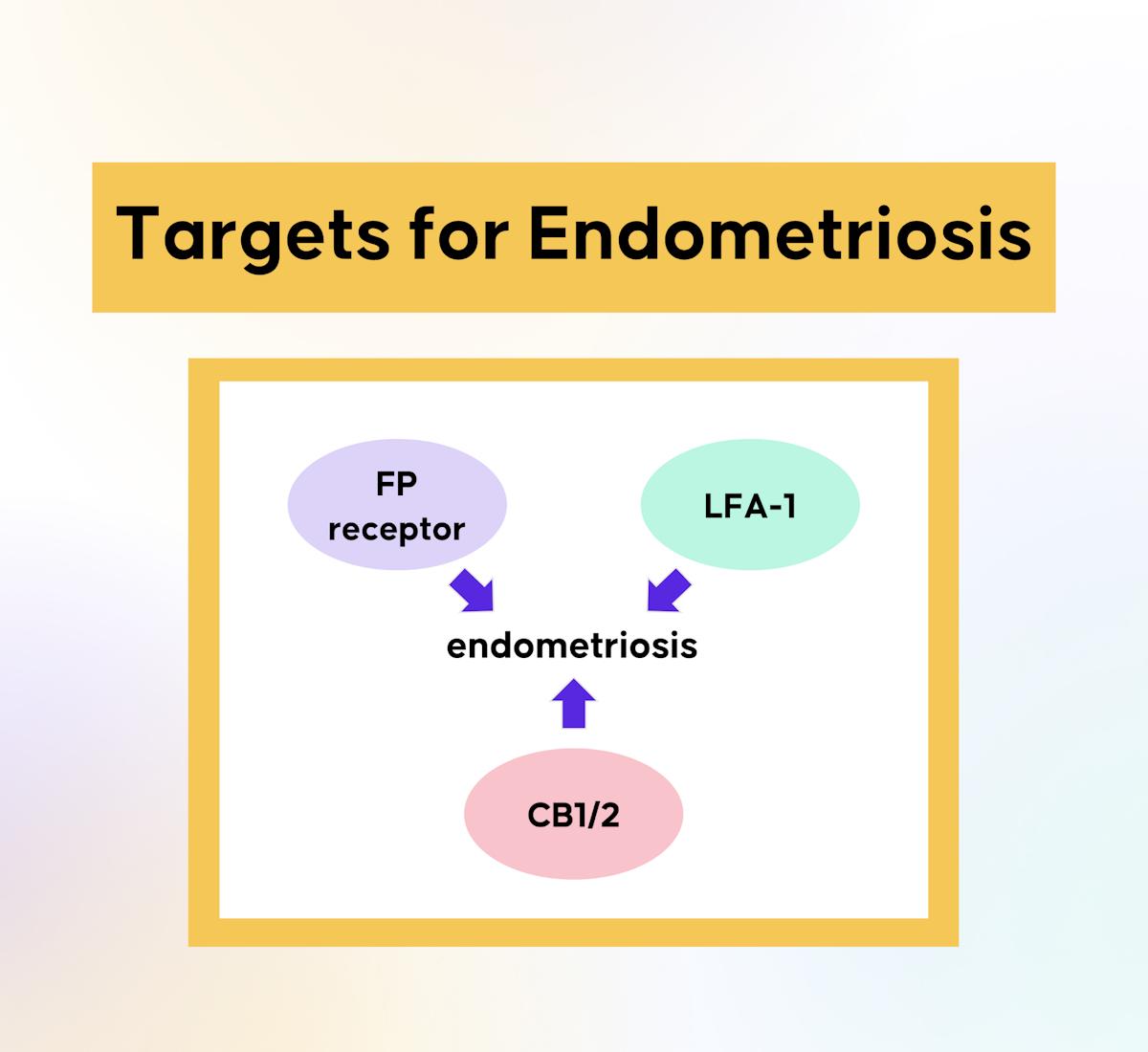
At the inaugural HERS meeting, scientists presented a suite of findings that re‑evaluate familiar drug targets through the endometriosis lens. Progesterone‑receptor modulators, long used for contraception, demonstrated lesion‑size reduction in preclinical models, suggesting a dual anti‑inflammatory and anti‑angiogenic role. Parallel studies highlighted GDF15, a stress‑responsive cytokine, as both a diagnostic marker and a potential therapeutic lever, echoing its recent success in hyperemesis gravidarum research. Genetic analyses revealed shared mutations in PI3K/AKT and MAPK pathways between endometriotic lesions and certain ovarian cancers, opening avenues for drug repurposing and cross‑disease clinical trials.
The strategic implications are significant for pharma and investors. A $30 million industry‑backed fund was unveiled to fast‑track target validation, leveraging existing compound libraries to reduce development risk. This collaborative model promises to shrink timelines, lower costs, and deliver novel options to a patient population that has historically been underserved. As more data emerge, endometriosis‑centric research could reshape pipeline priorities, driving both clinical impact and shareholder value across multiple therapeutic areas.
Endometriosis Inspires Re-Examination of Known Targets at the Inaugural HERS Meeting
Comments
Want to join the conversation?