EPSA: A Useful Metric Across Chemical Space

Key Takeaways
- •EPSA quantifies polarity beyond traditional PSA calculations
- •Correlates strongly with membrane permeability across diverse scaffolds
- •Enables early filtering of candidates in high‑throughput screens
- •Integrates with ML models to improve ADMET predictions
Pulse Analysis
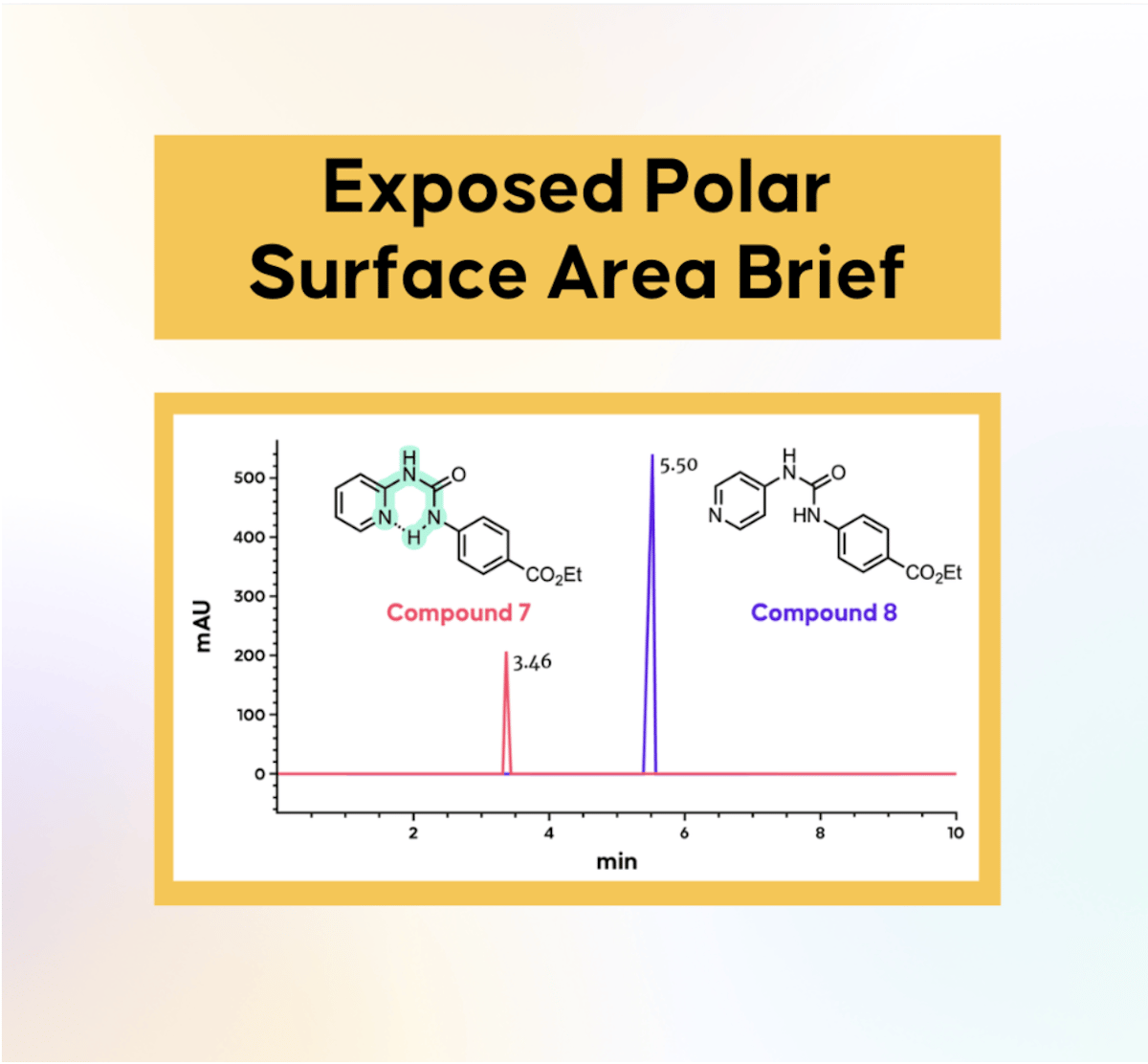
Experimental Polarity Surface Area (EPSA) has emerged as a game‑changer for medicinal chemists seeking reliable, experimentally‑derived polarity metrics. Measured via supercritical fluid chromatography, EPSA captures three‑dimensional electrostatic features that conventional polar surface area (PSA) calculations often miss. This added nuance translates into tighter correlations with key pharmacokinetic parameters such as passive membrane permeability, aqueous solubility, and oral absorption, especially for chemically complex entities like macrocycles and peptidomimetics.
The practical value of EPSA lies in its integration into early‑stage screening workflows. By generating EPSA data alongside standard physicochemical profiling, discovery teams can flag high‑risk compounds before costly synthesis or in‑vivo testing. Recent case studies show that applying EPSA thresholds reduced attrition rates in lead optimization by up to 30%, accelerating timelines for oncology and CNS programs where permeability is a critical hurdle. Moreover, EPSA data enriches machine‑learning models, sharpening predictions for ADMET endpoints and enabling more informed design of libraries that balance potency with drug‑likeness.
Looking ahead, EPSA is poised to complement emerging in‑silico tools, forming a hybrid experimental‑computational framework for property prediction. As the pharmaceutical industry pushes toward larger, more diverse chemical spaces, the ability to quickly assess polarity with experimental fidelity will be essential for maintaining pipeline efficiency. Companies that embed EPSA into their decision‑making processes can expect better alignment between early‑stage chemistry and later‑stage clinical outcomes, ultimately delivering safer, more effective therapies to market faster.
EPSA: A Useful Metric Across Chemical Space
Comments
Want to join the conversation?