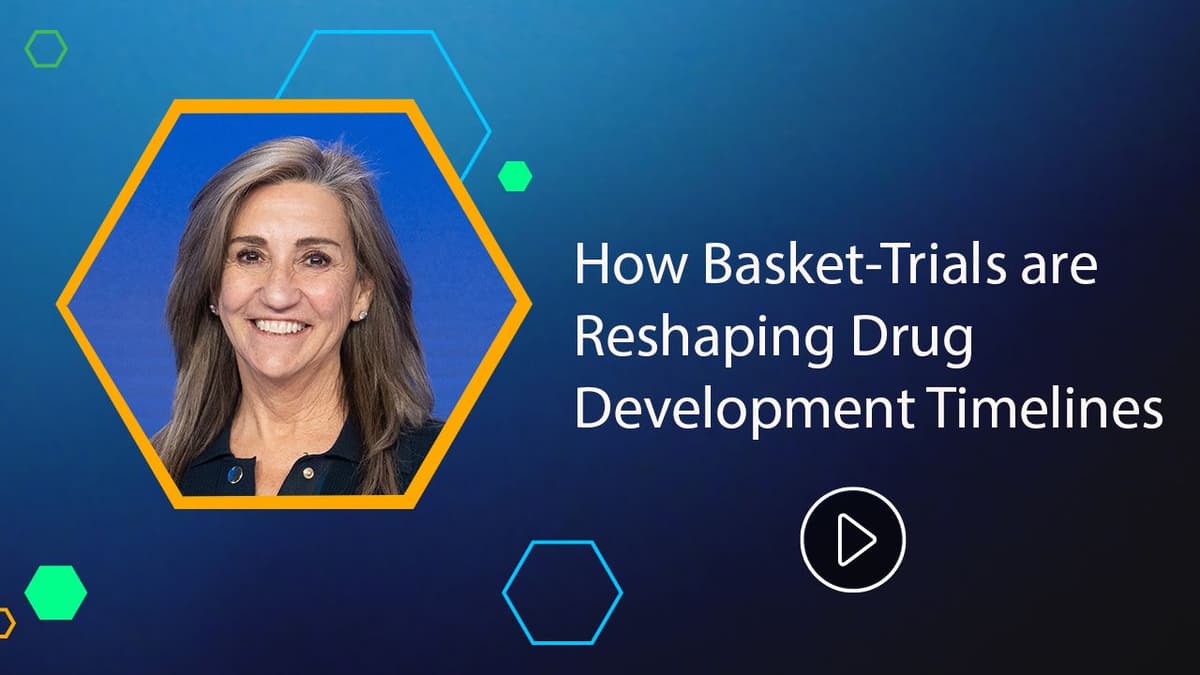
How Basket-Trials Are Reshaping Drug Development Timelines
Key Takeaways
- •Basket trials consolidate recruitment across multiple rare disease sites
- •Single trial infrastructure replaces four separate studies, cutting operational costs
- •Bayesian analysis borrows prior data, strengthening efficacy assessments
- •Polaryx’s Soteria basket includes four pediatric lysosomal disorder arms
- •Regulatory acceptance of expanded data sets accelerates rare disease timelines
Pulse Analysis
Basket trials, originally popularized in oncology to test a single drug across multiple tumor types, are now being repurposed for rare disease development. The FDA’s recent guidance encouraging the use of external and Bayesian data has lowered the evidentiary threshold for small patient populations, making it feasible to evaluate therapies that would otherwise lack sufficient enrollment. By grouping genetically or pathophysiologically related conditions into a single protocol, sponsors can generate comparative efficacy signals while satisfying regulators’ demand for robust statistical evidence. This regulatory shift is especially valuable for pediatric lysosomal storage disorders, where each indication may involve only a handful of patients worldwide.
For companies like Polaryx, the operational upside is tangible. Its Soteria program runs a four‑arm basket trial across four rare pediatric lysosomal disorders, all hosted at a limited network of specialist centers. Instead of launching four independent studies, Polaryx leverages a single trial infrastructure, reducing site‑initiation costs, monitoring burden, and timelines. The shared recruitment pool accelerates patient enrollment, while the Bayesian framework allows data from one arm to inform priors for another, sharpening efficacy readouts. This synergy not only shortens the path to pivotal data but also improves the statistical power of each indication without expanding the overall sample size.
The broader industry is taking note. Faster, cheaper trials lower the capital required to bring orphan drugs to market, attracting venture capital and big‑pharma partnerships. Investors see basket designs as a risk‑mitigation tool that can deliver multiple product candidates from a single investment. However, challenges remain: aligning endpoints across heterogeneous diseases, managing regulatory expectations for each arm, and ensuring that shared data does not dilute disease‑specific insights. As more sponsors adopt this model, we can expect a wave of multi‑indication approvals that reshape the rare‑disease pipeline and ultimately expand treatment options for underserved patient groups.
How Basket-Trials are Reshaping Drug Development Timelines
Comments
Want to join the conversation?