Regulatory and Scientific Frontiers in Drug Repurposing: Accelerating Therapeutic Innovations for Unmet Medical Needs + Examples of Repurposed Drugs

Key Takeaways
- •FDA launches formal drug repurposing program targeting unmet chronic diseases
- •Repurposed development cuts costs to ~$300M and timelines to 3‑12 years
- •Sildenafil exemplifies multi‑indication success: ED, PAH, pediatric use
- •Sotatercept repurposed from osteoporosis to PAH, showing 40‑meter 6MWD gain
- •Repurposed drugs now account for 30‑40% of new approvals and revenue
Pulse Analysis
The FDA’s new repurposing initiative marks a watershed moment for regulatory strategy, consolidating decades of label‑expansion legislation into a single, actionable pathway. By opening docket FDA‑2026‑N‑4492, the agency invites clinicians, researchers and patient advocates to submit data‑backed candidates, focusing on therapeutic areas where commercial incentives are weak but clinical need is high. This public‑first approach aligns with the 2025 "Make Our Children Healthy Again" directive, fostering collaboration between the FDA and NIH to streamline trial design and evidence sharing for generic or off‑patent drugs.
From an economic perspective, repurposing flips the traditional drug development model on its head. Whereas de‑novo discovery can cost $2‑3 billion and span 10‑17 years, a repurposed candidate leverages existing safety data to slash capital outlays to about $300 million and compress timelines to as little as three years. Advanced computational screening, machine‑learning‑driven target identification, and real‑world evidence from electronic health records accelerate signal detection, allowing developers to bypass early toxicology and Phase I studies. This de‑risking premium not only improves the probability of clinical success to roughly 30% but also creates a more attractive investment thesis for biotech firms and venture capital.
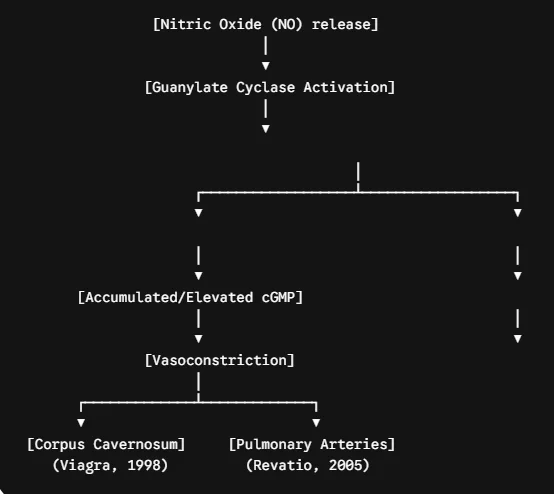
Case studies underscore the commercial and clinical upside. Sildenafil, originally a failed angina drug, was rapidly repositioned for erectile dysfunction and later for pulmonary arterial hypertension, generating over $2 billion annually at its peak. Similarly, sotatercept transitioned from a bone‑density candidate to a first‑in‑class PAH therapy, delivering a 40‑meter improvement in six‑minute walk distance and an 84% reduction in clinical‑worsening risk. As repurposed products now represent 30‑40% of new approvals and a comparable share of pharmaceutical revenue, the FDA’s program is poised to catalyze a wave of low‑cost, high‑impact innovations that address unmet medical needs while reshaping the industry’s R&D calculus.
Regulatory and Scientific Frontiers in Drug Repurposing: Accelerating Therapeutic Innovations for Unmet Medical Needs + Examples of Repurposed Drugs
Comments
Want to join the conversation?