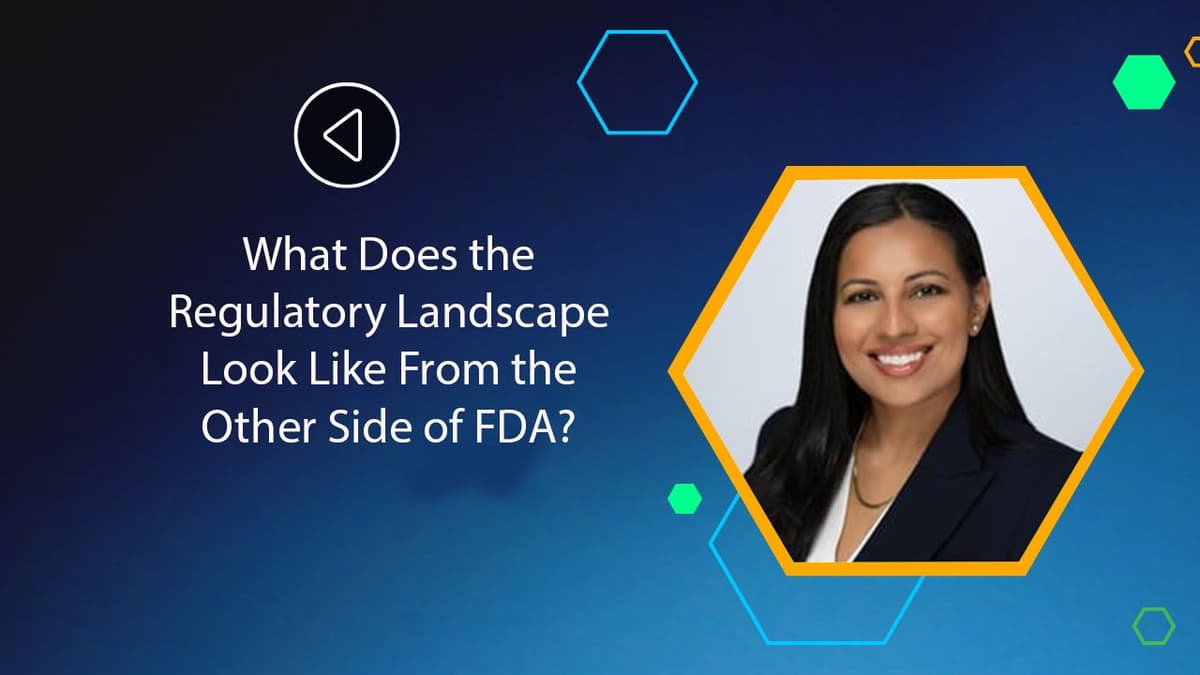
What Does the Regulatory Landscape Look Like From the Other Side of FDA?
Key Takeaways
- •Early, frequent FDA engagement shortens oncology approval timelines
- •Tracking regulatory precedent uncovers hidden data requirements
- •Division-specific nuances influence decision-maker expectations
- •Recent FDA initiatives add complexity but raise evidence standards
- •Insider view shows FDA's rigorous, data‑driven decision process
Pulse Analysis
The oncology regulatory arena has long been perceived as opaque, but former FDA insiders like Dr. Harpreet Singh reveal that transparency is achievable through proactive collaboration. By initiating dialogue with the agency early in the development cycle, sponsors can surface data expectations before costly late‑stage setbacks occur. This approach not only streamlines the review timeline but also builds trust with reviewers who value clear, evidence‑rich submissions. In practice, early engagement translates into more focused clinical trial designs and a clearer path to pivotal endpoints.
During Singh's tenure, the FDA introduced several initiatives—such as the Oncology Center of Excellence’s framework updates and revised companion diagnostic guidelines—that initially added layers of complexity. While these changes required sponsors to adapt quickly, they also elevated the evidentiary bar, fostering more robust safety and efficacy assessments. The agency’s heightened focus on real‑world evidence and biomarker validation reflects a broader shift toward precision medicine, demanding richer data sets but ultimately improving patient outcomes. Companies that internalize these expectations can better anticipate regulatory queries and avoid common pitfalls.
For industry leaders, the takeaway is clear: treating the FDA as a strategic partner rather than an adversary yields competitive advantage. Leveraging former regulators’ insights helps decode division‑specific preferences, from the Oncology Division’s emphasis on survival data to the CDER’s scrutiny of manufacturing consistency. As the FDA continues to refine its data‑driven paradigm, firms that embed these principles into their development pipelines will likely see faster approvals, reduced costs, and stronger market positioning. Embracing this collaborative mindset is becoming essential for sustained success in oncology drug development.
What Does the Regulatory Landscape Look Like From the Other Side of FDA?
Comments
Want to join the conversation?