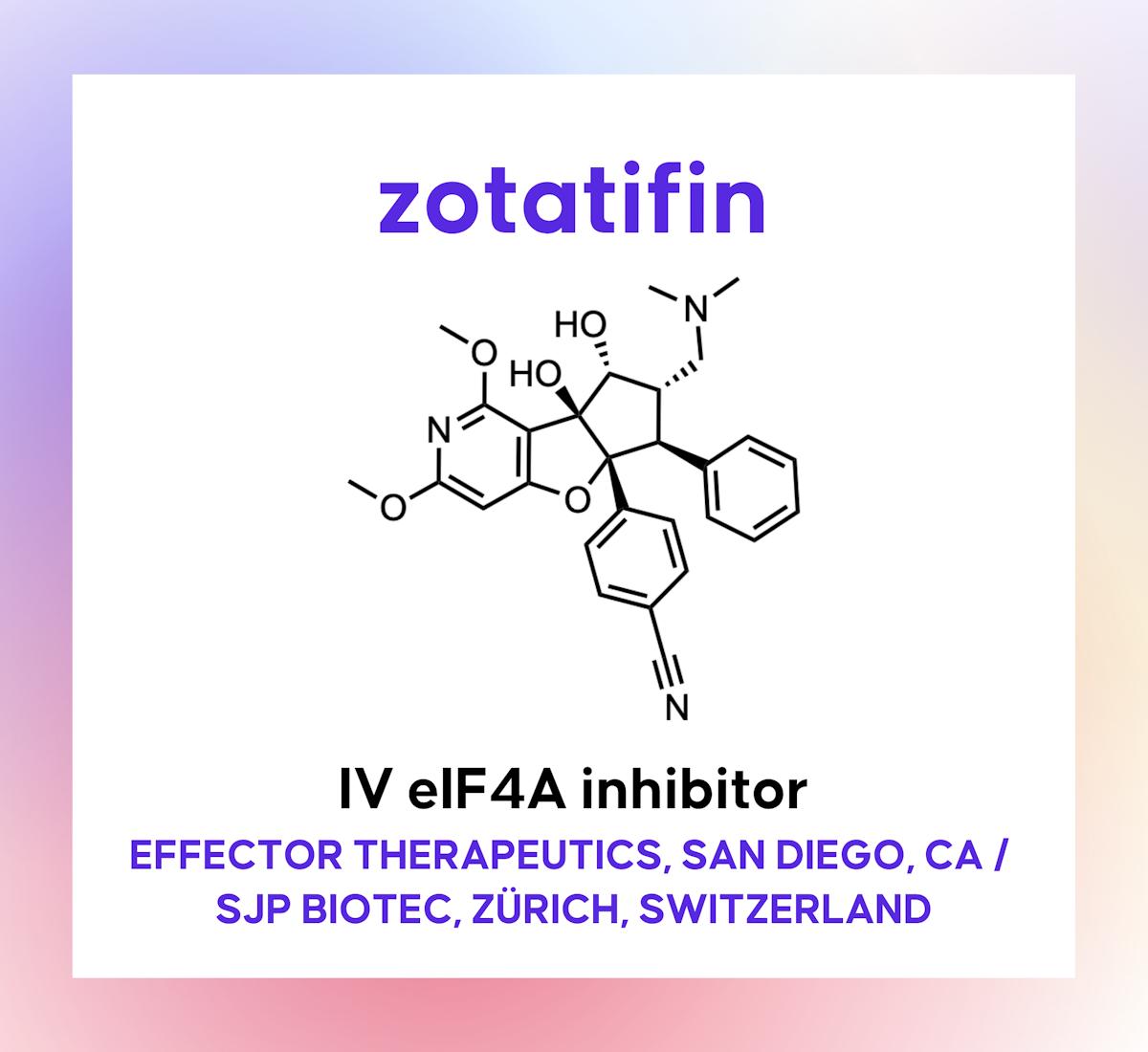

Key Takeaways
- •Zotatifin targets eIF4A to suppress oncogenic protein synthesis
- •Phase 2 includes breast, lung, and pancreatic cancers
- •IV delivery enables precise plasma concentrations in oncology trials
- •Effector Therapeutics partners with Swiss SJP Biotec on development
- •Early safety data show manageable adverse events
Pulse Analysis
The eIF4A helicase sits at the heart of the cap‑dependent translation initiation complex, unwinding structured 5'‑UTRs to allow ribosome scanning. In many aggressive cancers, overactive eIF4A fuels the production of oncogenic proteins such as MYC, cyclin D1, and VEGF. Traditional small‑molecule inhibitors have struggled to achieve sufficient potency or selectivity, leaving a therapeutic gap that zotatifin seeks to fill. By binding directly to the eIF4A‑RNA complex, zotatifin locks the helicase in an inactive conformation, halting the translation of a broad oncogenic program rather than a single downstream target.
Effector Therapeutics, based in San Diego, teamed with Swiss biotech SJP Biotec to advance zotatifin through a collaborative development model that leverages Effector’s clinical expertise and SJP’s proprietary chemistry platform. The Phase 2 trial, launched in mid‑2025, enrolls patients with advanced breast, non‑small cell lung, and pancreatic cancers who have progressed on standard therapies. Intravenous administration allows clinicians to tightly control plasma levels, a critical factor for a drug that modulates a fundamental cellular process. Early Phase 1 results revealed dose‑proportional pharmacokinetics and a safety profile dominated by mild infusion‑related reactions, paving the way for dose escalation to therapeutic ranges.
If successful, zotatifin could reshape the oncology landscape by offering a modality that attacks the translational machinery common to many tumor types. Investors are watching the trial closely, as a positive read‑out would validate eIF4A as a druggable target and potentially unlock a pipeline of next‑generation translation inhibitors. Moreover, the partnership model exemplifies how U.S. and European biotech firms can combine resources to accelerate high‑risk, high‑reward drug development, a trend likely to continue as the industry seeks innovative solutions for unmet cancer needs.
zotatifin
Comments
Want to join the conversation?