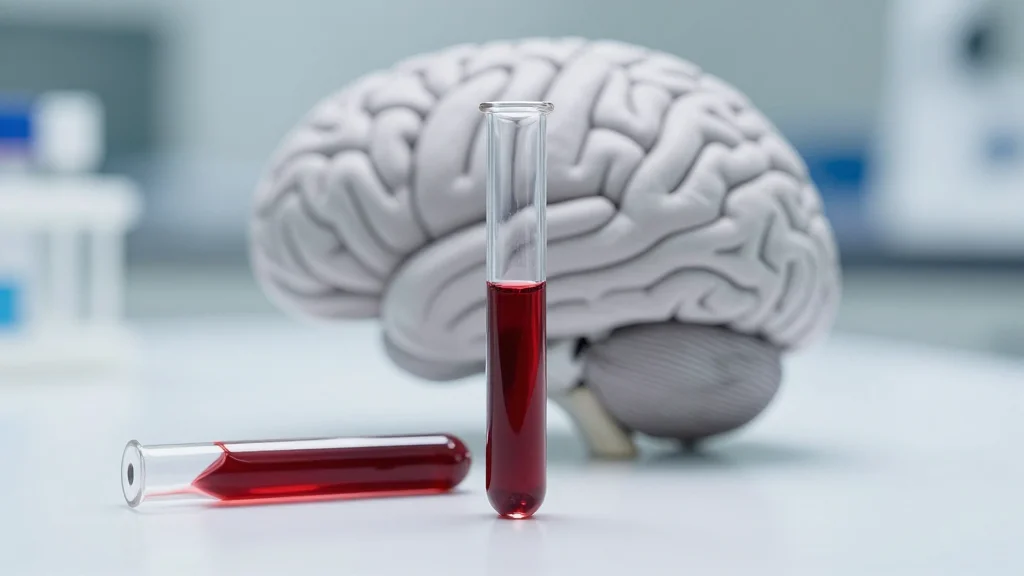
85% of Patients Want Alzheimer’s Blood Test, Doctors Remain Skeptical

Why It Matters
The survey highlights a potential market shift: if patients increasingly seek early‑risk information, biotech firms may accelerate development of blood‑based biomarkers, creating new revenue streams and influencing drug trial designs that target pre‑symptomatic populations. Conversely, physician skepticism could temper reimbursement and slow adoption, forcing companies to invest heavily in validation studies. For the broader pharma landscape, the outcome of this debate will affect how disease‑modifying therapies are positioned. Early detection could enable treatment at a stage where drugs are more effective, reshaping clinical trial endpoints and potentially expanding the addressable market for emerging Alzheimer’s therapeutics.
Key Takeaways
- •85% of surveyed adults would take an Alzheimer’s blood test if recommended by a doctor.
- •Survey included nearly 600 participants with an average age of 62; half reported a family history of Alzheimer’s.
- •Two FDA‑cleared blood tests are approved only for symptomatic patients 55+, not for asymptomatic screening.
- •Physicians warn of false positives/negatives and lack of evidence that early detection improves outcomes.
- •At least 25 blood‑based Alzheimer’s tests are commercially available worldwide, indicating a growing diagnostic market.
Pulse Analysis
Patient demand for blood‑based Alzheimer’s screening reflects a broader cultural shift toward proactive health monitoring, akin to the rise of direct‑to‑consumer genetic testing. Pharma companies see an opportunity to capture a pre‑clinical market, but the current evidence gap creates a classic chicken‑and‑egg problem: insurers are unlikely to cover tests without proven clinical benefit, yet developers need large‑scale usage data to demonstrate that benefit. Companies that can pair biomarker testing with effective early‑intervention drugs stand to gain a competitive edge, potentially redefining the therapeutic landscape for neurodegeneration.
Regulatory bodies will play a decisive role. The FDA’s recent approvals were limited to symptomatic patients, signaling caution. Future guidance may delineate clear pathways for screening, perhaps requiring companion diagnostics tied to specific treatments. If such frameworks emerge, we could see a surge in partnership deals between diagnostic firms and drug developers, mirroring the oncology space where companion tests have become integral to drug launches.
In the short term, the market will likely experience a flurry of pilot programs and real‑world evidence studies as companies attempt to prove that early detection translates into measurable health outcomes. Success could unlock reimbursement, broaden test adoption, and ultimately create a feedback loop that fuels both diagnostic and therapeutic innovation. Failure, however, may reinforce physician skepticism and stall the commercial momentum of blood‑based Alzheimer’s tests.
85% of Patients Want Alzheimer’s Blood Test, Doctors Remain Skeptical
Comments
Want to join the conversation?
Loading comments...