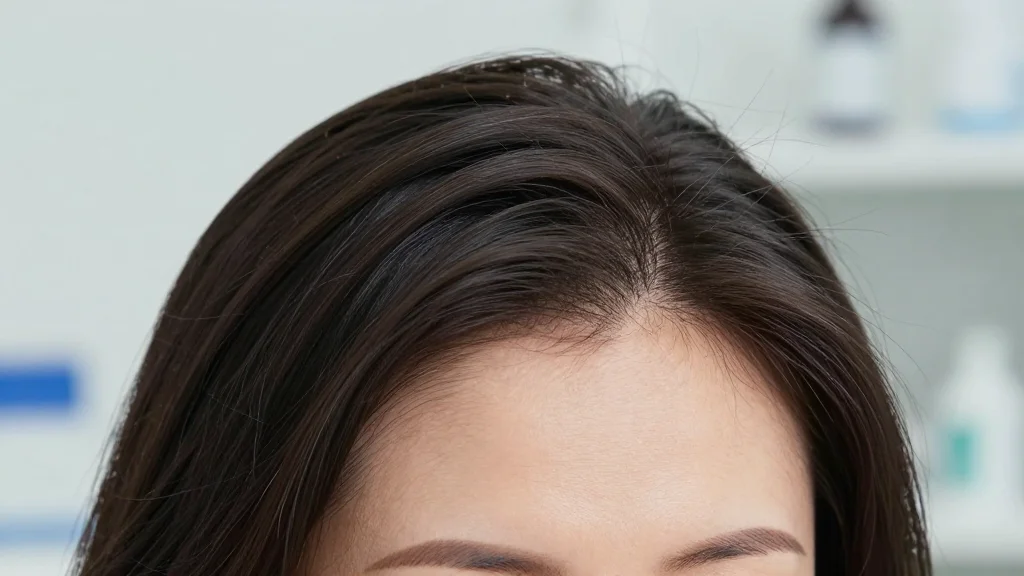
AbbVie Submits FDA NDA for Upadacitinib (RINVOQ) to Treat Severe Alopecia Areata

Companies Mentioned
Why It Matters
The NDA represents a pivotal step toward delivering the first approved pharmacologic therapy for severe alopecia areata, a condition that carries significant psychosocial burden. By expanding RINVOQ into dermatology, AbbVie not only diversifies its product portfolio but also sets a precedent for repurposing JAK inhibitors across immune‑mediated diseases. Successful approval could reshape treatment algorithms, shift prescribing patterns away from off‑label regimens, and stimulate further investment in AA research. Beyond patient impact, the filing highlights the commercial potential of extending blockbuster drugs into adjacent indications. If upadacitinib captures even a modest share of the estimated 7‑million severe AA patients worldwide, AbbVie could unlock a multi‑billion‑dollar revenue stream, reinforcing the financial rationale for pursuing label expansions of existing assets.
Key Takeaways
- •AbbVie submitted an NDA to the FDA for upadacitinib (RINVOQ) in severe alopecia areata on April 28, 2026.
- •Phase 3 UP‑AA program enrolled 1,399 patients; 51 % (716) had near‑total scalp hair loss at baseline.
- •Primary endpoint (SALT ≤ 20) and key secondary endpoint (SALT = 0) were met at week 24 for both 15 mg and 30 mg doses.
- •Safety through week 52 remained consistent with prior upadacitinib data across approved indications.
- •Approval would create the first FDA‑cleared therapy for severe AA, opening a sizable new market for AbbVie.
Pulse Analysis
AbbVie’s NDA for upadacitinib in alopecia areata illustrates a strategic pivot toward label extensions that capitalize on existing safety and manufacturing infrastructure. Historically, JAK inhibitors have faced scrutiny over safety signals, particularly thrombotic events, but AbbVie’s data suggest a comparable risk profile to its approved uses, which may ease regulatory concerns. The company’s decision to target both adults and adolescents reflects an aggressive market capture strategy, acknowledging that early intervention could improve long‑term outcomes and lock in patients before they transition to other therapies.
From a competitive standpoint, the move pits AbbVie against a nascent pipeline of specialty biotech firms developing novel biologics for AA, such as IL‑15 or IL‑2 pathway modulators. However, AbbVie’s advantage lies in its established commercial network and the ability to bundle RINVOQ with its existing rheumatology and dermatology sales forces. Should the FDA grant approval, AbbVie could leverage cross‑indication marketing, potentially accelerating uptake among dermatologists already familiar with the drug’s safety profile.
Looking ahead, the broader implication is a validation of the JAK inhibitor platform for dermatologic indications, which may spur additional filings for conditions like hidradenitis suppurativa and vitiligo—areas where AbbVie already has ongoing Phase 3 trials. The outcome of this NDA will likely influence the strategic calculus of other large pharma players considering similar repurposing pathways, reinforcing the importance of robust, disease‑specific endpoints such as SALT scores in securing regulatory clearance.
AbbVie Submits FDA NDA for Upadacitinib (RINVOQ) to Treat Severe Alopecia Areata
Comments
Want to join the conversation?
Loading comments...