Advances in Neonatal Cell Therapies: 2025 Update
Why It Matters
Reliable, ethically sourced clinical‑grade cell products accelerate neonatal therapeutic trials and shorten time to market. The combined regulatory rigor and manufacturing scalability positions the sector for significant growth and improved patient outcomes.
Key Takeaways
- •GMP‑compliant facilities now produce cord blood, placental, amniotic cell products
- •Integrated QMS links donor consent, traceability, and batch release
- •Automation and closed‑system bioreactors cut production time by up to 30%
- •Scalable manufacturing expands trial enrollment and improves equity in neonatal care
Pulse Analysis
The surge in neonatal cell‑therapy demand has turned manufacturing from a niche laboratory activity into a critical healthcare infrastructure. GMP‑certified plants now handle the full lifecycle of umbilical cord blood, placental tissue and amniotic membranes, applying stringent sterility, potency and viability tests. A comprehensive Quality Management System ties donor screening, informed consent and real‑time environmental controls into a single traceable workflow, satisfying both the Therapeutic Goods Administration and emerging global standards. This regulatory backbone not only safeguards patients but also builds the confidence needed for investors and payers to support large‑scale production.
Ethical sourcing sits at the heart of this ecosystem. Every donor undergoes rigorous eligibility assessment, and consent processes are documented with auditable trails, ensuring transparency and respect for donor autonomy. By embedding these safeguards within the QMS, manufacturers demonstrate societal responsibility, which in turn fosters public trust and facilitates broader reimbursement discussions. The emphasis on equity is evident as scalable processes lower per‑dose costs, making advanced therapies more reachable for underserved neonatal populations and reducing geographic disparities in access.
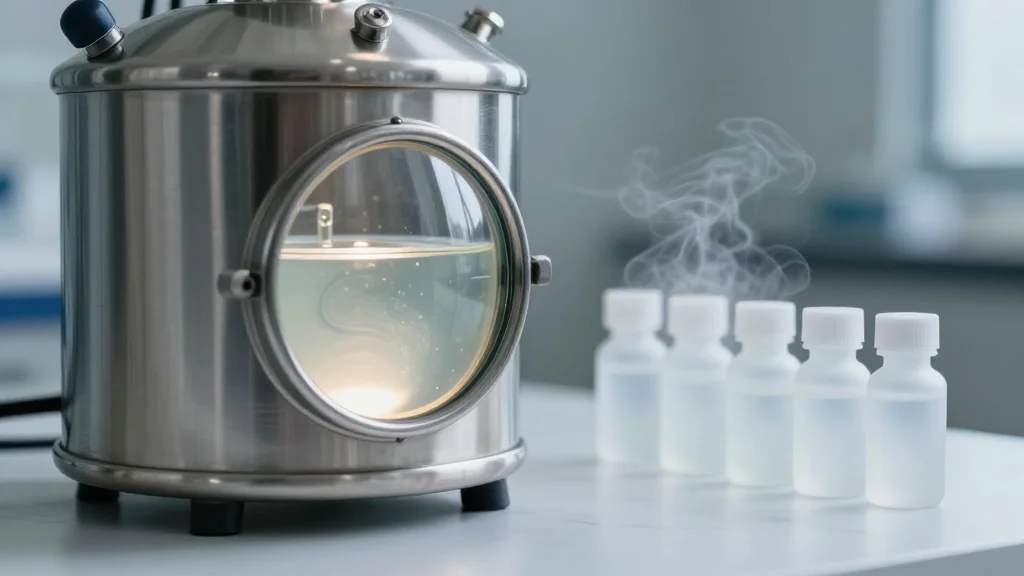
Technological innovation is the engine driving scalability and consistency. Automation, closed‑system bioreactors and next‑generation cryopreservation reduce manual handling, shrink variability, and shorten production cycles by up to 30 percent. These advances enable rapid provisioning of clinical‑grade cells for early‑phase and multicenter trials, accelerating data generation and regulatory approval pathways. As the industry converges on these high‑throughput, compliant platforms, neonatal regenerative medicine is poised to transition from experimental case studies to mainstream therapeutic options, reshaping outcomes for the most vulnerable patients worldwide.
Advances in Neonatal Cell Therapies: 2025 Update
Comments
Want to join the conversation?
Loading comments...