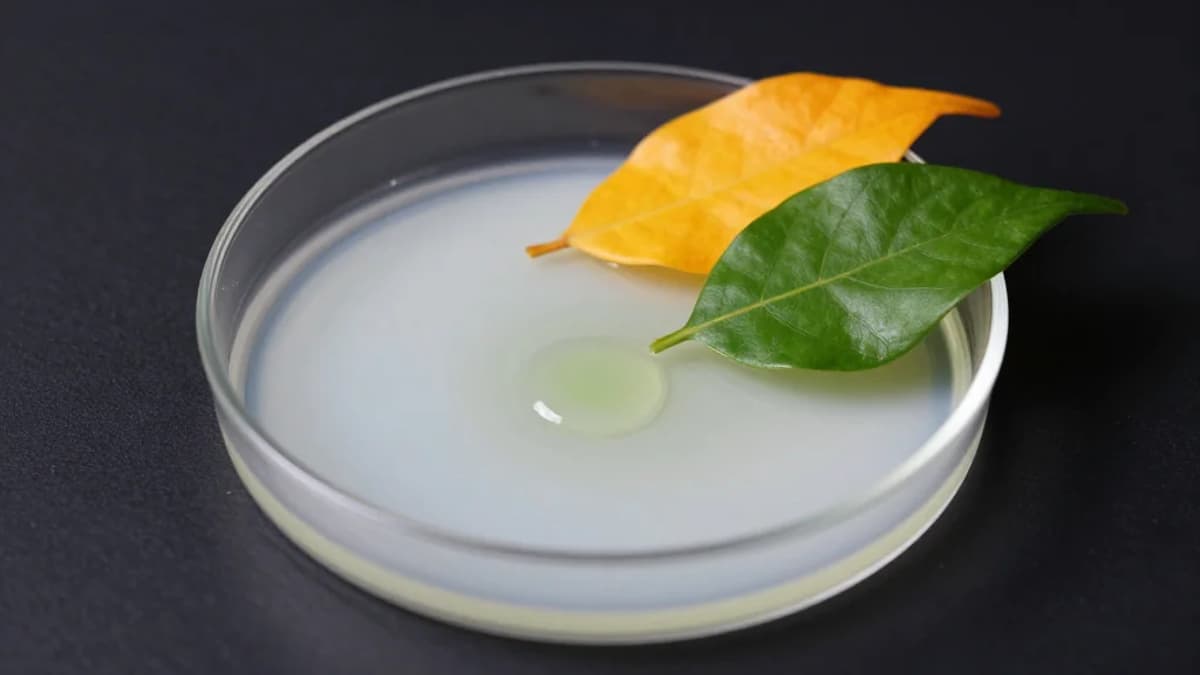
Antibacterial Effects of Crude Extracts From Tithonia Diversifolia and Solanum Torvum on Selected Shigella Species Demonstrated In Vitro
•February 25, 2026
0
Why It Matters
Shigella infections cause millions of diarrheal cases worldwide, especially in low‑income regions; affordable plant‑based antimicrobials could reduce disease burden and antibiotic resistance.
Key Takeaways
- •Tithonia diversifolia extract inhibited Shigella growth.
- •Solanum torvum showed comparable antibacterial activity.
- •Minimum inhibitory concentrations ranged from 125‑250 µg/mL.
- •Potential for low‑cost diarrheal disease treatments.
- •Further in vivo testing required before clinical use.
Pulse Analysis
The rise of multidrug‑resistant Shigella strains has intensified the search for alternative therapeutics, and phytochemicals are gaining attention for their broad‑spectrum activity. Tithonia diversifolia, traditionally used in African folk medicine for wound care, contains flavonoids and sesquiterpene lactones that disrupt bacterial cell walls. Solanum torvum, a staple in tropical diets, is rich in alkaloids and phenolic compounds that interfere with microbial protein synthesis. Laboratory disc diffusion and broth microdilution tests confirm that both extracts achieve inhibition zones comparable to ciprofloxacin, positioning them as viable leads for drug development.
Beyond efficacy, the economic implications are significant. Harvesting these plants requires minimal processing, and rural communities can cultivate them locally, creating a decentralized supply chain that bypasses expensive pharmaceutical manufacturing. This aligns with global health initiatives aiming to provide low‑cost, locally sourced treatments for enteric diseases. Moreover, integrating such botanicals into existing public‑health programs could reduce reliance on conventional antibiotics, mitigating the acceleration of resistance.
However, translating in vitro success to clinical reality demands rigorous in vivo validation. Toxicology profiling, pharmacokinetic studies, and formulation optimization are essential steps before regulatory approval. Partnerships between academic labs, biotech startups, and NGOs could accelerate this pipeline, leveraging grant funding and field trials in endemic regions. If these hurdles are cleared, Tithonia diversifolia and Solanum torvum could become cornerstone agents in the next generation of affordable anti‑shigellosis interventions.
Antibacterial Effects of Crude Extracts from Tithonia diversifolia and Solanum torvum on Selected Shigella Species Demonstrated In Vitro
0
Comments
Want to join the conversation?
Loading comments...