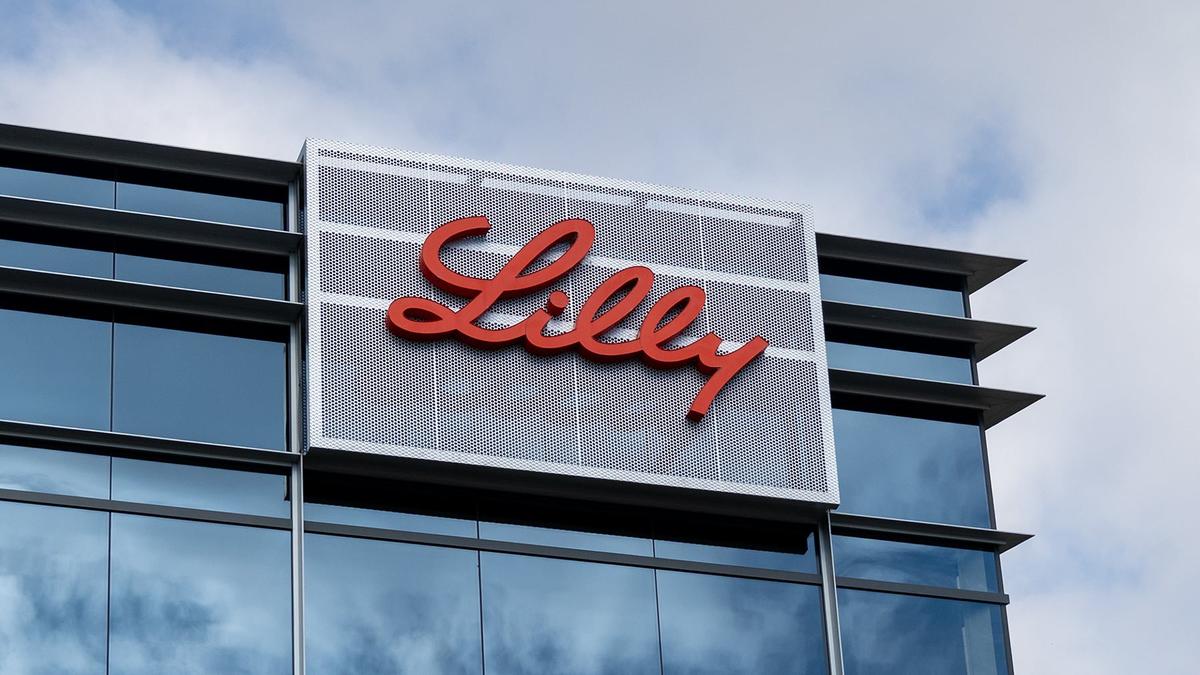
Eli Lilly’s Mounjaro Becomes World’s Top-Selling Drug
Why It Matters
Mounjaro’s ascent signals a fundamental re‑allocation of pharma revenue toward high‑growth metabolic drugs, challenging the dominance of cancer immunotherapies and reshaping investment priorities.
Key Takeaways
- •Mounjaro posted $8.7 B Q1 2026, overtaking Keytruda.
- •Combined tirzepatide sales hit $36.5 B in 2025.
- •Keytruda faces 2028 patent expiry, prompting pipeline diversification.
- •GLP‑1 market outpaces cancer drugs in growth and pricing scrutiny.
- •Lilly’s obesity focus drives revenue shift from oncology to metabolic therapy.
Pulse Analysis
Eli Lilly’s tirzepatide‑based drug Mounjaro has officially eclipsed Merck’s Keytruda as the world’s top‑selling medication, generating $8.7 billion in the first quarter of 2026. The milestone marks the first time a diabetes/obesity therapy has out‑performed an oncology blockbuster in quarterly revenue. When paired with the weight‑loss counterpart Zepbound, the tirzepatide platform delivered $36.5 billion in 2025, comfortably ahead of Keytruda’s $31.6 billion annual sales. Analysts attribute the surge to strong clinical efficacy, expanding indications, and aggressive market penetration worldwide. The drug’s global launch strategy includes partnerships in emerging markets, further expanding its footprint.
The rise of GLP‑1 and dual‑GIP/GLP‑1 agents is reshaping pharmaceutical revenue streams, pulling attention away from traditional cancer immunotherapies. Novo Nordisk’s Ozempic and Wegovy paved the way, but Lilly’s tirzepatide has captured a broader patient base by addressing both type 2 diabetes and obesity, conditions affecting hundreds of millions. Pricing scrutiny from the Trump administration and emerging generic competitors have forced manufacturers to justify cost‑effectiveness, yet demand remains robust as insurers negotiate value‑based contracts. This environment encourages continued investment in metabolic pipelines across the industry.
Merck now confronts a 2028 patent cliff for Keytruda, a catalyst that could erode its cash flow unless new oncology or non‑cancer assets materialize. The company has accelerated its pipeline diversification, yet obesity‑focused candidates have not featured prominently, leaving a strategic gap as metabolic drugs dominate growth charts. For investors, Lilly’s success underscores the upside potential of tirzepatide‑style molecules, while rivals must decide whether to chase the GLP‑1 arena or double down on next‑generation immunotherapies. The coming years will likely see intensified competition and pricing negotiations across both sectors.
Eli Lilly’s Mounjaro Becomes World’s Top-Selling Drug
Comments
Want to join the conversation?
Loading comments...