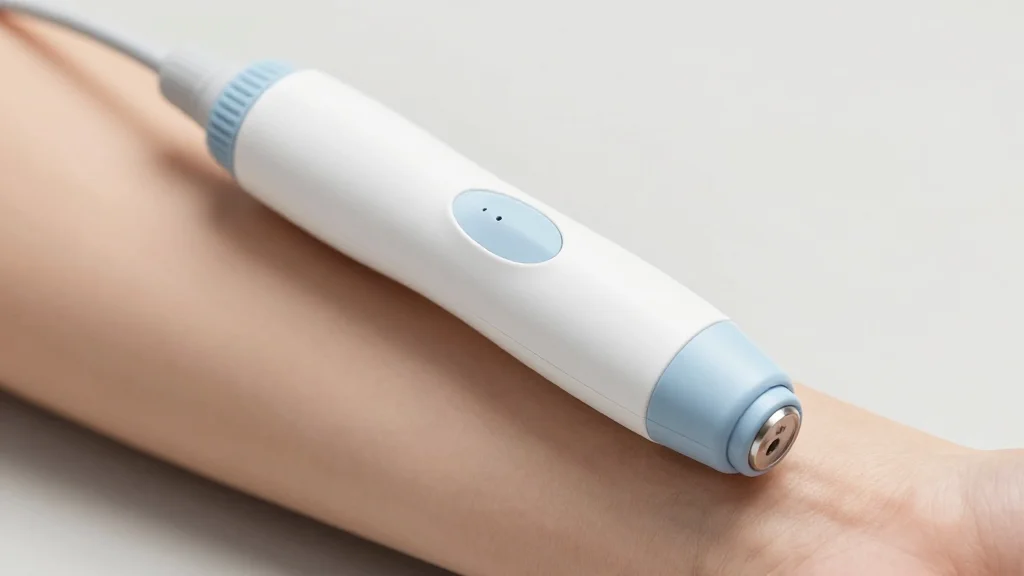
EU Approves Sanofi’s Sarclisa SC, First On‑Body Injector for Multiple Myeloma

Companies Mentioned
Why It Matters
The European Commission’s endorsement of Sarclisa SC signals a regulatory willingness to embrace innovative delivery platforms that prioritize patient convenience without compromising efficacy. By enabling home‑based administration, the therapy could alleviate pressure on overburdened infusion centers and reduce indirect costs for patients, such as travel and lost work time. Moreover, the approval sets a precedent that may accelerate the review of other on‑body injector technologies across therapeutic areas, potentially expanding the scope of decentralized cancer care in Europe. For Sanofi, the milestone expands its oncology portfolio beyond traditional IV biologics and strengthens its competitive position against rivals that are still reliant on hospital‑based infusions. The move also dovetails with broader industry trends toward subcutaneous and wearable drug delivery, suggesting that future pipeline candidates may be designed with such platforms in mind, influencing R&D investment decisions for years to come.
Key Takeaways
- •European Commission approves Sarclisa SC for all EU multiple myeloma indications
- •First anticancer therapy in the EU delivered via an on‑body injector
- •SC formulation shows non‑inferior efficacy to IV in pivotal Phase III trial
- •Potential €200 million (≈ $215 million) revenue boost for Sanofi over two years
- •Approval may catalyze broader adoption of home‑based oncology treatments in Europe
Pulse Analysis
Sanofi’s regulatory win reflects a strategic pivot in oncology toward patient‑centric delivery models. Historically, the industry has focused on maximizing clinical efficacy, often at the expense of convenience. The Sarclisa SC approval demonstrates that regulators now weigh the benefits of reduced healthcare system burden and improved patient quality of life alongside traditional endpoints. This shift is likely to influence pipeline prioritization, with companies allocating more resources to develop subcutaneous or wearable formulations that can be administered outside the clinic.
From a market dynamics perspective, the on‑body injector could erode the value proposition of hospital‑based infusion services, which have long been a revenue source for oncology centers. If reimbursement frameworks adapt quickly, payers may favor the lower‑cost SC option, prompting a re‑evaluation of pricing strategies for IV biologics. Competitors will need to accelerate their own delivery innovations or risk losing market share to Sanofi’s differentiated offering.
Looking ahead, the success of Sarclisa SC may serve as a template for other high‑volume biologics, such as CAR‑T therapies or checkpoint inhibitors, to explore similar delivery routes. The convergence of digital health, wearable devices, and biologic engineering could usher in a new era where complex cancer treatments become as routine as a daily injection, fundamentally reshaping the oncology care continuum.
EU Approves Sanofi’s Sarclisa SC, First On‑Body Injector for Multiple Myeloma
Comments
Want to join the conversation?
Loading comments...