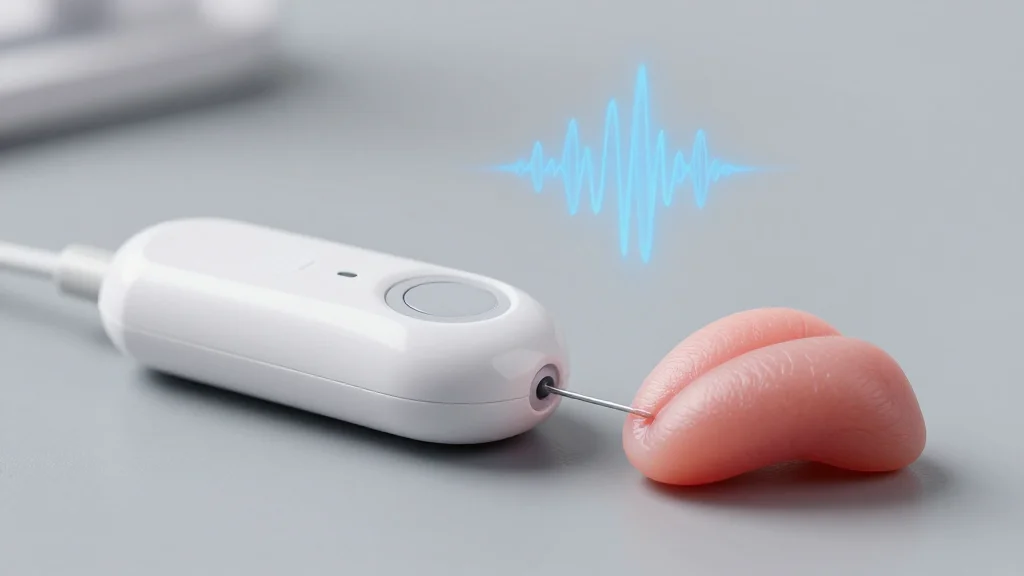
FDA Authorizes Lenire® Device, Expanding Non‑Invasive Treatment for Chronic Tinnitus

Why It Matters
Lenire’s FDA authorization expands therapeutic options for a condition that affects tens of millions yet lacks approved pharmacologic treatments. By targeting neural plasticity rather than masking symptoms, the device could redefine standard care pathways and reduce reliance on off‑label drug use, which often carries side‑effects and limited efficacy. Moreover, the clearance signals regulatory openness to multimodal neuromodulation, potentially accelerating the development of similar technologies for other sensory disorders. For clinicians, the availability of an evidence‑backed, at‑home device offers a scalable solution that can be integrated into existing audiology practices without the need for surgical facilities. For patients, the non‑invasive nature and drug‑free profile may improve adherence and overall satisfaction, addressing a long‑standing gap in chronic tinnitus management.
Key Takeaways
- •Lenire receives FDA authorization as the first non‑invasive device for chronic tinnitus.
- •The system uses synchronized sound and tongue stimulation to retrain neural pathways.
- •Clinical studies show significant reductions in tinnitus loudness for most users.
- •Device is available at the Tinnitus & Hearing Center of Arizona with personalized programming.
- •Clearance may open regulatory pathways for other neuromodulation therapies in otology.
Pulse Analysis
Lenire’s clearance arrives at a moment when the pharmaceutical industry has struggled to deliver effective drugs for tinnitus, a condition with a prevalence comparable to diabetes. The device’s success hinges on its ability to demonstrate durable, real‑world outcomes that match or exceed the modest benefits of existing sound‑masking solutions. If post‑market data confirm the early clinical signals, insurers may begin to reimburse the therapy, unlocking a sizable market that could attract larger medical‑device players.
Historically, neuromodulation has been dominated by invasive implants for movement disorders and chronic pain. Lenire’s non‑invasive format lowers barriers to entry, both for patients wary of surgery and for providers lacking specialized surgical infrastructure. This could democratize access and spur a wave of innovation focused on peripheral nerve stimulation combined with sensory inputs. Competitors may seek to differentiate through alternative stimulation sites—such as the ear canal or facial nerve—or by integrating AI‑driven personalization algorithms.
Looking ahead, the key risk lies in reimbursement and adoption speed. While the center reports “growing demand,” broader market penetration will require clear coding, favorable coverage decisions, and education of primary‑care physicians who often serve as the first point of contact for tinnitus sufferers. If these hurdles are cleared, Lenire could set a precedent that reshapes the therapeutic landscape for chronic auditory disorders, positioning device‑based neuromodulation as a mainstream, drug‑free alternative.
FDA Authorizes Lenire® Device, Expanding Non‑Invasive Treatment for Chronic Tinnitus
Comments
Want to join the conversation?
Loading comments...