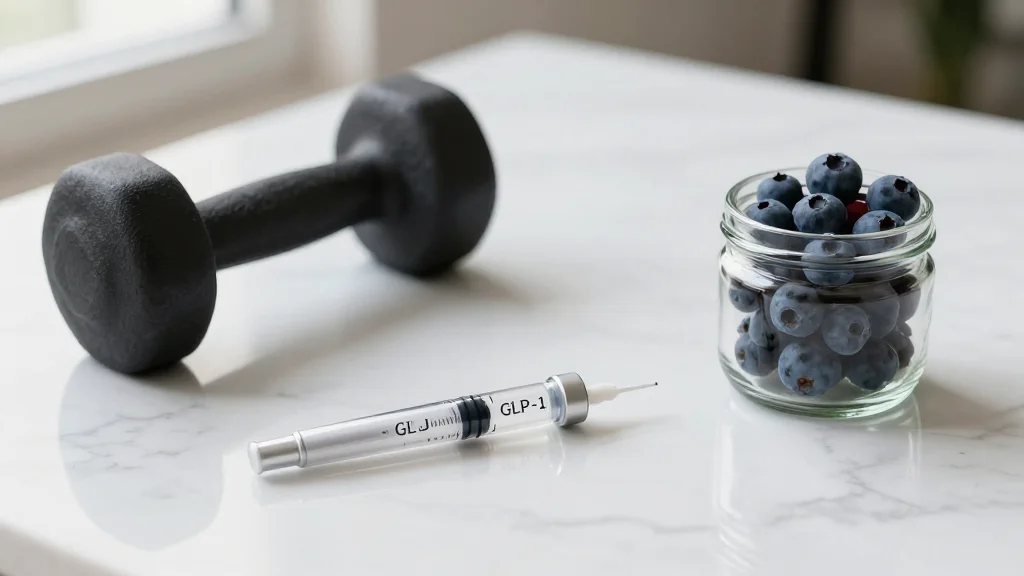
GLP‑1 Boom Fuels $1,000‑Monthly Spend, Boosting Gyms, Beauty and Grocery Sectors

Companies Mentioned


Why It Matters
The GLP‑1 spending surge illustrates how a breakthrough drug can generate a multi‑billion‑dollar ancillary market, reshaping revenue streams for fitness, beauty and food industries. Companies that quickly adapt to the unique needs of GLP‑1 users—whether through specialized training programs, targeted product lines, or tailored nutrition options—stand to capture a fast‑growing consumer segment. Conversely, firms that ignore this emerging demand risk ceding market share to more agile competitors. Beyond immediate revenue, the trend raises broader questions about healthcare economics. As patients allocate substantial discretionary income to manage drug side effects, insurers and policymakers may need to reconsider coverage models that traditionally focus solely on medication costs. The ripple effect could also influence pricing strategies for future weight‑loss therapies, as manufacturers anticipate the downstream economic impact of their products.
Key Takeaways
- •GLP‑1 users spend $700‑$1,000 monthly on ancillary costs, per Kelly Freeman
- •63% of surveyed personal trainers work with GLP‑1 clients; 62% plan to expand services
- •Life Time employs ~4,000 trainers; sees record‑breaking growth linked to GLP‑1 users
- •Ulta Beauty reports spikes in hair‑loss and skin‑elasticity product sales
- •Albertsons sees increased purchases of chicken, beef and fresh produce among GLP‑1 users
Pulse Analysis
The GLP‑1 phenomenon is redefining the consumer‑spending landscape in a way reminiscent of the early smartphone era, where a single technology unlocked a cascade of ancillary markets. Here, the catalyst is a class of drugs that not only treat disease but also dramatically alter body composition, prompting users to invest heavily in fitness, nutrition and aesthetic maintenance. Companies that have traditionally operated in silos—gyms, beauty retailers, grocery chains—are now converging around a common customer profile, creating opportunities for cross‑industry partnerships and bundled services.
Historically, pharmaceutical breakthroughs have generated modest ancillary markets (e.g., insulin pumps for diabetes). GLP‑1 drugs, however, are unique in that they produce rapid, visible weight loss, which triggers a cascade of lifestyle adjustments. This creates a high‑margin, subscription‑style revenue stream for non‑pharma players, especially as users like Freeman allocate a sizable portion of their disposable income to sustain the new lifestyle. The data suggest that the ancillary market could eclipse the direct drug revenues within a few years, especially as newer oral formulations like Foundayo broaden the user base.
Looking ahead, the sustainability of this spending wave will depend on several variables: the durability of weight‑loss results, insurance coverage for supportive services, and the emergence of competitor drugs that may alter cost structures. Companies that embed GLP‑1‑specific offerings into their core business—such as gyms launching GLP‑1 coaching certifications or retailers curating product bundles—will likely lock in loyalty and capture higher lifetime value. Conversely, firms that remain passive may find themselves sidelined as a new consumer cohort reshapes demand across the economy.
GLP‑1 Boom Fuels $1,000‑Monthly Spend, Boosting Gyms, Beauty and Grocery Sectors
Comments
Want to join the conversation?
Loading comments...