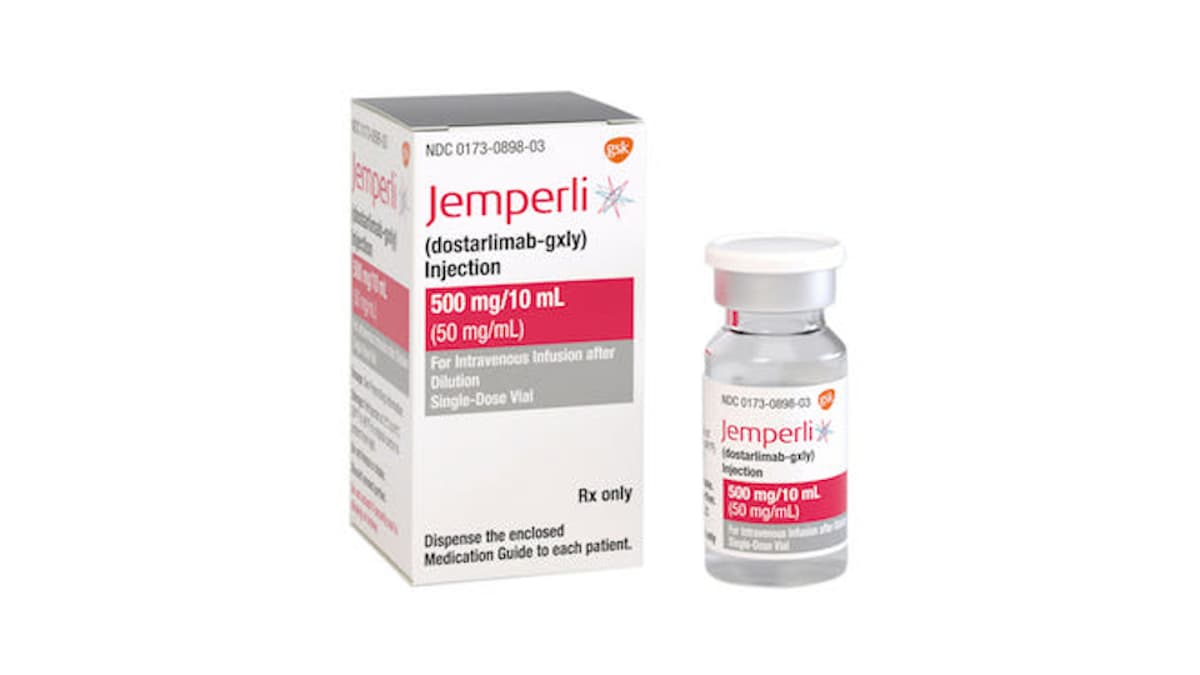
GSK/Tesaro Claim Denied in Jemperli Lawsuit with AnaptysBio
Companies Mentioned

GlaxoSmithKline
MSD
Why It Matters
The decision safeguards AnaptysBio’s royalty stream and underscores the enforceability of biotech licensing terms, affecting revenue expectations for both parties and setting a precedent for future PD‑1 partnership disputes.
Key Takeaways
- •Delaware court upholds AnaptysBio royalty rate on Jemperli.
- •GSK/Tesaro's bid to revoke license denied.
- •Jemperli sales reached $1.16 billion, 86% YoY growth.
- •GSK’s $5.1 billion Tesaro acquisition included Jemperli rights.
- •AZUR‑1 and AZUR‑2 trials aim to broaden indications
Pulse Analysis
The Delaware ruling highlights how contract enforcement remains a cornerstone of biotech collaborations. While GSK and Tesaro sought to end the 2014 agreement, the court’s affirmation of AnaptysBio’s royalty rights reinforces the importance of clear, long‑term licensing structures, especially for high‑value immunotherapies. Investors watch such outcomes closely, as they can directly influence cash‑flow forecasts and valuation models for both the licensor and licensee.
Financially, the decision protects a revenue stream tied to Jemperli, which posted $1.16 billion in sales last year—an 86% increase that reflects its growing market share against rivals like Merck’s Keytruda. Maintaining the existing royalty rate ensures AnaptysBio continues to receive predictable payments, while GSK must factor the ongoing cost into its oncology portfolio profitability. The case also serves as a reminder that large‑scale acquisitions, such as GSK’s $5.1 billion purchase of Tesaro, carry long‑term contractual obligations that can surface in litigation.
Clinically, Jemperli’s trajectory remains promising despite the legal tussle. The drug recently earned a national priority review voucher for a pre‑surgery rectal cancer indication, and its AZUR‑1 trial results have paved the way for accelerated approval pathways. Ongoing AZUR‑2 testing, comparing Jemperli to chemotherapy in resectable colon cancer, could further expand its label and revenue potential through 2028. For the broader oncology market, these developments underscore the competitive pressure on PD‑1 inhibitors and the strategic value of securing robust licensing agreements.
GSK/Tesaro claim denied in Jemperli lawsuit with AnaptysBio
Comments
Want to join the conversation?
Loading comments...