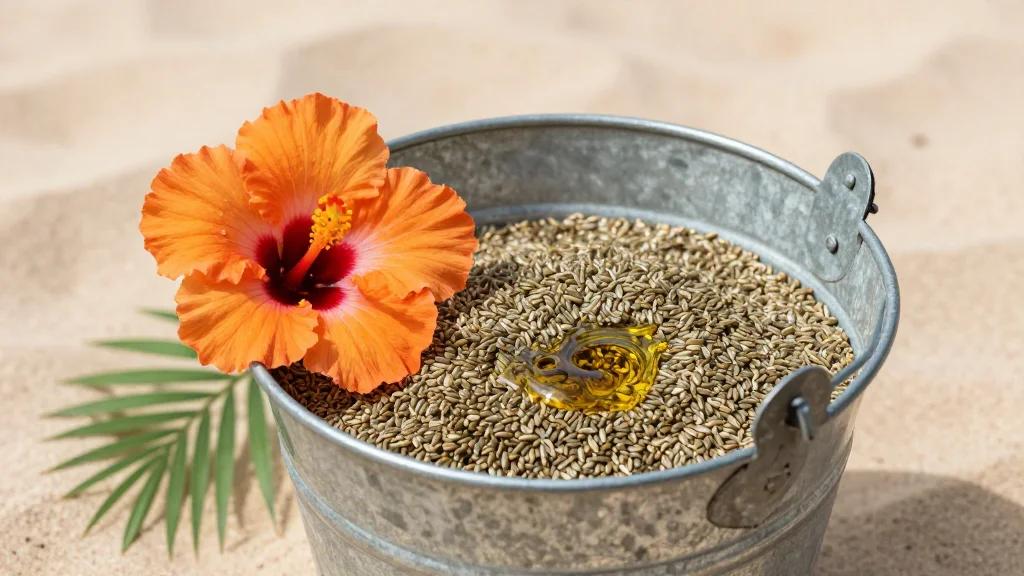
Hawaii Senate Bill 2102 Opens Door for Hemp‑Derived Livestock Feed

Why It Matters
The passage of SB 2102 would signal a shift in how Hawaii approaches hemp, moving from a largely symbolic crop to a functional component of its agricultural economy. By allowing hemp‑derived feed, the state could create a new revenue stream for farmers, reduce dependence on imported feed, and lay groundwork for a broader hemp‑based nutraceutical industry. Conversely, the bill also spotlights the tension between state‑level innovation and federal regulatory limits, a dynamic that could influence other states considering similar measures. For the pharmaceutical sector, hemp’s expansion into animal feed may accelerate research into hemp‑derived compounds for veterinary and human health, as feed additives often serve as a testing ground for bioactive ingredients. A regulated, domestic supply chain could lower costs for clinical trials and product development, potentially spurring new hemp‑based therapeutics.
Key Takeaways
- •SB 2102 would legalize hempseed, oil and meal in commercial livestock feed in Hawaii.
- •Supporters say the bill could revive a hemp industry that fell from 110 farms to three.
- •State agencies warn the U.S. FDA has not approved hemp as a food additive for most animals.
- •Lack of in‑state processing facilities is identified as a major growth barrier.
- •If passed, the bill could reduce reliance on imported feed and boost local nutraceutical research.
Pulse Analysis
Hawaii’s hemp feed proposal reflects a broader national trend where states are leveraging hemp’s versatility to diversify agricultural economies. While the federal framework still treats hemp as a controlled substance for most food applications, state-level pilots like SB 2102 can generate data that inform future FDA rulings. The legislation’s success hinges on two interlocking factors: the development of local processing capacity and the ability to navigate federal safety standards.
Historically, hemp’s resurgence in the U.S. has been driven by CBD and textile markets, but feed applications remain underexplored. By targeting livestock, Hawaii could create a low‑risk entry point—animal nutrition studies are less scrutinized than human food trials, yet they provide a valuable proof‑of‑concept for hemp’s nutritional benefits. If the state can demonstrate safe, cost‑effective feed formulations, it may attract biotech firms seeking scalable sources of cannabinoids for veterinary medicines, a segment projected to grow at double‑digit rates.
Competitive dynamics also come into play. Neighboring states with more mature hemp processing ecosystems, such as Colorado and Kentucky, already supply feed ingredients to national markets. Hawaii’s geographic isolation raises logistics costs, but the island’s premium on locally sourced, sustainable inputs could carve out a niche market for high‑value, organic hemp feed. The bill’s requirement for the Department of Agriculture and Biosecurity to set clear standards could become a template for other jurisdictions, especially if the state can secure federal GRAS status for additional hemp components.
Looking ahead, the key question is whether Hawaii can align state ambition with federal compliance. A successful rollout would likely prompt other Pacific islands to consider similar measures, creating a regional supply chain that could feed both agricultural and pharmaceutical demand. Failure, however, could reinforce the perception that hemp’s promise is limited by regulatory inertia, dampening investor enthusiasm across the sector.
Hawaii Senate Bill 2102 Opens Door for Hemp‑Derived Livestock Feed
Comments
Want to join the conversation?
Loading comments...