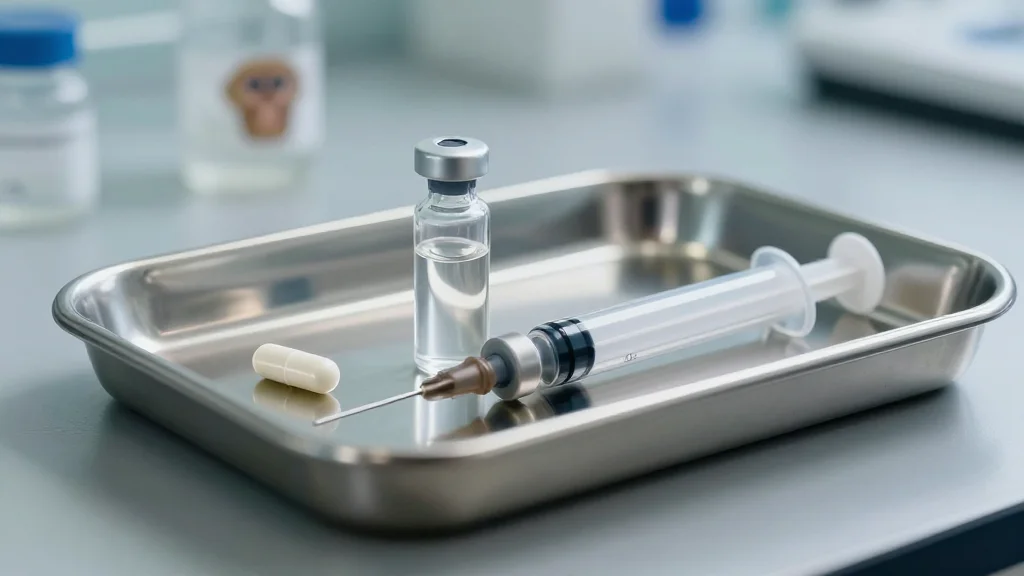
Leaked Images Show Monkeys Forced Into Weight‑Loss Drug Tests in UK Labs

Why It Matters
The footage underscores a fundamental tension in pharmaceutical development: the need for rigorous safety data versus the ethical imperative to minimize animal suffering. As anti‑obesity drugs dominate headlines for both their market potential and safety concerns, public scrutiny of the testing methods used to bring them to market intensifies. The images could accelerate legislative action to tighten animal‑testing regulations and boost funding for non‑animal alternatives, reshaping how early‑stage drug safety is assessed. Moreover, the revelations may affect public perception of companies that contract these UK labs, potentially prompting investors and consumers to demand greater transparency and ethical sourcing. A shift away from primate testing could also impact the competitive landscape, favoring firms that have already adopted in‑vitro or AI‑driven safety platforms.
Key Takeaways
- •Former lab technician leaked footage of macaques undergoing oral gavage for anti‑obesity drug testing.
- •Animals are restrained, fed drugs via a tube down the throat, and euthanized after trials.
- •Both UK facilities are Home Office‑regulated but operate within the law.
- •Campaigners demand faster phasing out of animal testing; advocacy groups argue the practice is rare but essential.
- •The controversy may spur legislative hearings and increased investment in alternative testing methods.
Pulse Analysis
The exposure of oral gavage practices in UK labs arrives at a critical juncture for the anti‑obesity market, which has seen several high‑profile setbacks due to safety concerns. Historically, primate models have been prized for their physiological similarity to humans, especially for metabolic studies. However, the ethical backlash highlighted by these images could accelerate a paradigm shift toward in‑silico and organ‑on‑a‑chip technologies that promise comparable predictive power without animal use.
Investors are likely to reassess risk exposure for pharmaceutical firms that rely heavily on animal testing contracts, especially as ESG (environmental, social, governance) criteria become more entrenched in portfolio decisions. Companies that have already integrated alternative methods may gain a competitive edge, attracting capital from funds that prioritize humane research practices. Conversely, firms lagging in this transition could face reputational damage and potential regulatory hurdles.
Regulators may also tighten oversight, demanding more detailed reporting on animal welfare and justification for primate use. The UK government’s existing pledge to phase out animal testing could be fast‑tracked, compelling the industry to adopt validated alternatives sooner than planned. In the longer term, the controversy could catalyze a broader re‑evaluation of the drug development pipeline, balancing safety imperatives with societal expectations for humane science.
Leaked Images Show Monkeys Forced into Weight‑Loss Drug Tests in UK Labs
Comments
Want to join the conversation?
Loading comments...