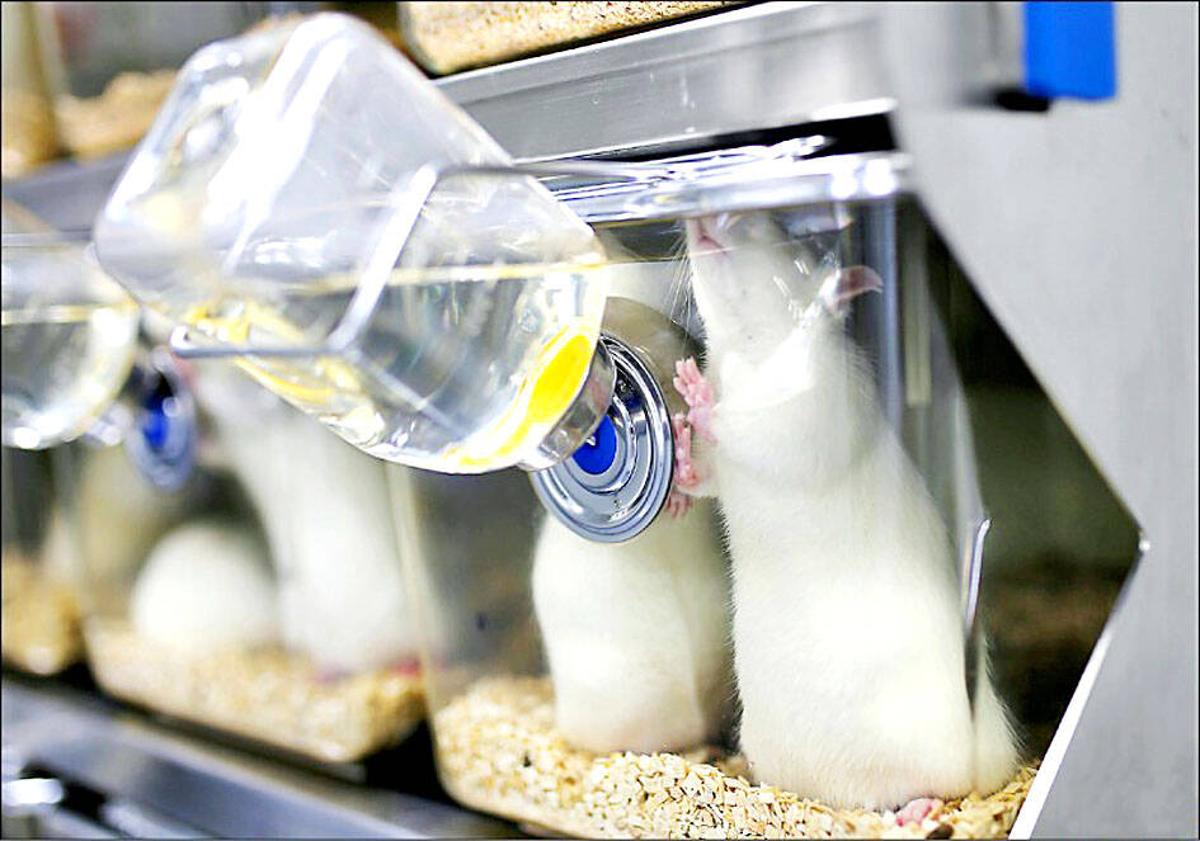
MOA Limits Animal Testing at Poorly Rated Institutions
Why It Matters
The measures tighten compliance for research institutions, pushing higher animal‑welfare standards and potentially reshaping Taiwan's biotech and pharmaceutical research landscape. By linking funding approvals to welfare ratings, the policy creates a direct financial incentive for labs to upgrade conditions.
Key Takeaways
- •Poor‑rated labs barred from new animal experiments until re‑inspection
- •All lab animals must have traceable source records from accredited suppliers
- •Committees cannot approve proposals from institutions with low welfare scores
- •Pharma labs cited for high staff turnover causing unsanitary conditions
- •No fines; ministry can only deduct points or recommend improvements
Pulse Analysis
Globally, governments are tightening oversight of laboratory animal use, and Taiwan’s latest regulations reflect that trend. By mandating traceable sourcing and linking experiment approval to welfare ratings, the Ministry of Agriculture aligns domestic practices with guidelines from the Association for Assessment and Accreditation of Laboratory Animal Care International. This shift not only addresses ethical concerns but also reduces the risk of illegal wildlife capture, a growing problem in regions where wild‑caught specimens have historically fed research pipelines.
For research institutions, the new rules introduce operational challenges. Pharmaceutical firms, which often rely on high‑throughput animal models, must now audit staffing stability and sanitation protocols to avoid low ratings that would freeze new project approvals. Institutional Animal Care and Use Committees (IACUCs) will need to integrate compliance checks into their review processes, potentially extending project timelines. However, the lack of monetary penalties means enforcement hinges on reputational impact and the ability to deduct points during annual evaluations, which may motivate some labs but leave others complacent.
The broader impact could ripple through Taiwan’s biotech sector. Higher welfare standards may attract international collaborations that prioritize ethical research, enhancing the country’s scientific credibility. Conversely, critics warn that overly rigid restrictions could slow innovation, especially for early‑stage studies requiring animal models. As the ministry seeks consensus with industry and academia, future policy tweaks—such as introducing fines or flexible exemptions—may emerge, balancing animal welfare with the need to maintain a competitive research environment.
MOA limits animal testing at poorly rated institutions
Comments
Want to join the conversation?
Loading comments...