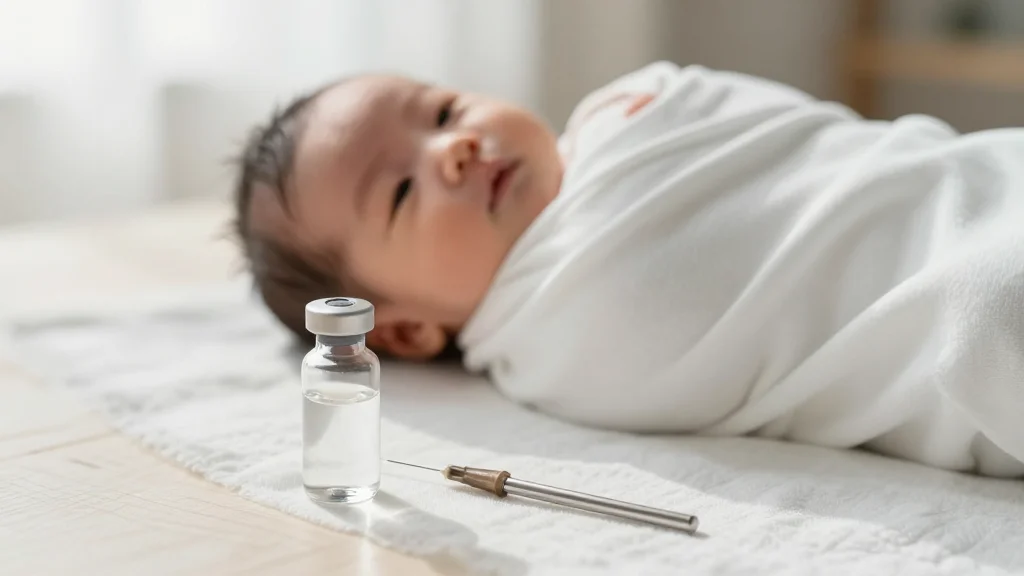
Parents Skip Newborn Preventive Care as Vaccine Skepticism Sparks Hib Resurgence

Why It Matters
The uptick in newborn preventive‑care refusals threatens to undo decades of epidemiological progress, raising the specter of re‑emerging diseases that were once considered controlled. Beyond immediate health outcomes, the trend could destabilize vaccine markets, prompting manufacturers to reassess investment in pediatric formulations and jeopardizing supply chains for both domestic and global immunization programs. If unchecked, the erosion of routine newborn care could also widen health inequities. Communities with limited access to alternative health resources are most vulnerable to outbreaks, potentially overwhelming already strained public‑health infrastructures and inflating healthcare costs for insurers and taxpayers alike.
Key Takeaways
- •Three unvaccinated infants hospitalized with Hib meningitis in NYC, a disease once nearly eradicated.
- •Dr. Adam Ratner called the cases “a never event,” highlighting the rarity of such infections pre‑vaccine.
- •Health and Human Services Secretary Robert F. Kennedy Jr. withdrew a $1.6 billion pledge to global vaccine aid.
- •Parents are increasingly refusing routine newborn interventions such as vitamin‑K shots and hearing screens.
- •State health departments plan outreach campaigns; congressional hearings on vaccine funding slated for later this month.
Pulse Analysis
The current wave of newborn preventive‑care refusals is more than a parental preference; it signals a systemic breach in public‑health trust that could reverberate across the pharmaceutical ecosystem. Historically, the introduction of the Hib conjugate vaccine in the late 1980s created a virtuous cycle: high uptake reduced disease incidence, which in turn reinforced confidence in immunization programs. The present backlash, fueled by high‑profile anti‑vaccine rhetoric and policy reversals, threatens to break that cycle, re‑introducing disease reservoirs that can spill over into broader populations.
From a market perspective, manufacturers may face a paradox. On one hand, reduced domestic demand could depress revenues for pediatric vaccine lines, prompting firms to divert resources toward adult or specialty products. On the other, the resurgence of preventable diseases could spark emergency procurement drives, as seen with past measles and pertussis outbreaks, creating short‑term spikes in demand. Companies that maintain robust supply chains and invest in public‑education partnerships will be better positioned to capture these emergency contracts while preserving long‑term brand equity.
Policy makers must act swiftly to restore confidence. Transparent communication about vaccine safety, coupled with incentives for adherence to the full newborn schedule, can mitigate the perception that vaccines are optional. Moreover, safeguarding funding for global vaccine initiatives—such as the withdrawn $1.6 billion pledge—remains critical to prevent cross‑border re‑emergence of diseases. The next policy decisions will determine whether the current uptick in preventable infant illness becomes a fleeting blip or the prelude to a broader public‑health regression.
Parents Skip Newborn Preventive Care as Vaccine Skepticism Sparks Hib Resurgence
Comments
Want to join the conversation?
Loading comments...