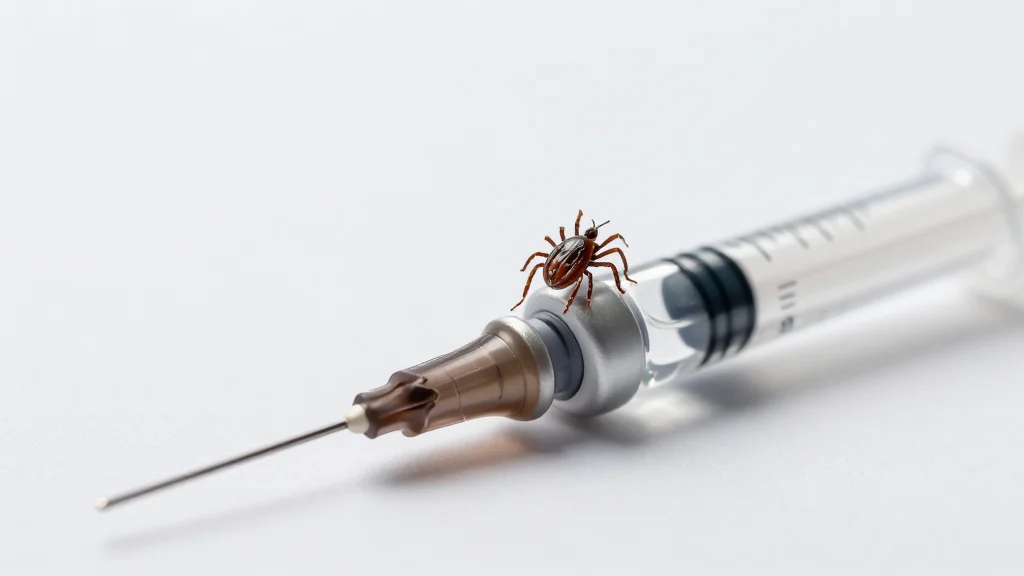
Pfizer's Late-Stage Lyme Vaccine Shows 73% Efficacy but Misses Primary Endpoint

Companies Mentioned
Why It Matters
Lyme disease is the most common vector‑borne illness in the United States, with rising incidence linked to expanding tick habitats. A safe, effective prophylactic could reduce the burden of chronic joint, neurological, and cardiac complications that currently drive costly medical care. Moreover, a successful monoclonal‑antibody vaccine would demonstrate a new pathway for tackling bacterial infections that have eluded traditional vaccine approaches. Beyond health outcomes, the product sits at the intersection of science and policy. The regulatory and advisory processes are being watched closely by stakeholders who view the vaccine as a test case for how emerging biologics are evaluated in a politically charged environment. A positive outcome could reinforce confidence in the FDA’s ability to assess novel biologics, while a setback might fuel skepticism about both the technology and the institutions that endorse it.
Key Takeaways
- •Pfizer’s candidate showed 73.2% efficacy after four doses.
- •Trial missed primary endpoint due to lower-than-expected Lyme cases.
- •Vaccine is a human monoclonal antibody developed with MassBiologics.
- •Four‑dose, seasonal regimen aims for ~70% protection.
- •Regulatory review will involve FDA approval and CDC/ACIP recommendations.
Pulse Analysis
Pfizer’s entry into the Lyme disease space signals a strategic pivot toward niche infectious‑disease markets that have historically been unattractive to large pharma. The company’s choice of a monoclonal‑antibody platform sidesteps the technical challenges of eliciting durable immunity against Borrelia burgdorferi with conventional protein antigens. If the approach proves viable, it could open a pipeline of antibody‑based prophylactics for other tick‑borne pathogens, reshaping R&D investment patterns.
The market potential, while modest compared with blockbuster vaccines, is nonetheless compelling. Estimates place the U.S. Lyme vaccine market at $1‑2 billion annually, with additional upside in Europe where tick‑borne disease rates are climbing. Pfizer’s global distribution network and brand equity could accelerate adoption, provided the CDC issues clear guidance. However, the political backdrop—marked by recent ACIP turnover and a CDC leadership skeptical of new vaccine initiatives—adds uncertainty. The agency’s recommendation will likely be a decisive factor for payer coverage and physician uptake.
Looking ahead, the key risk lies in the ability to generate robust, confirmatory data that satisfies the FDA’s efficacy thresholds. A supplemental trial or real‑world evidence program could bridge the gap, but each additional study adds cost and delays market entry. Conversely, a successful approval would not only deliver a first‑in‑class Lyme vaccine but also validate monoclonal antibodies as a preventive modality, potentially spurring a wave of similar products across the infectious‑disease landscape.
Pfizer's Late-Stage Lyme Vaccine Shows 73% Efficacy but Misses Primary Endpoint
Comments
Want to join the conversation?
Loading comments...