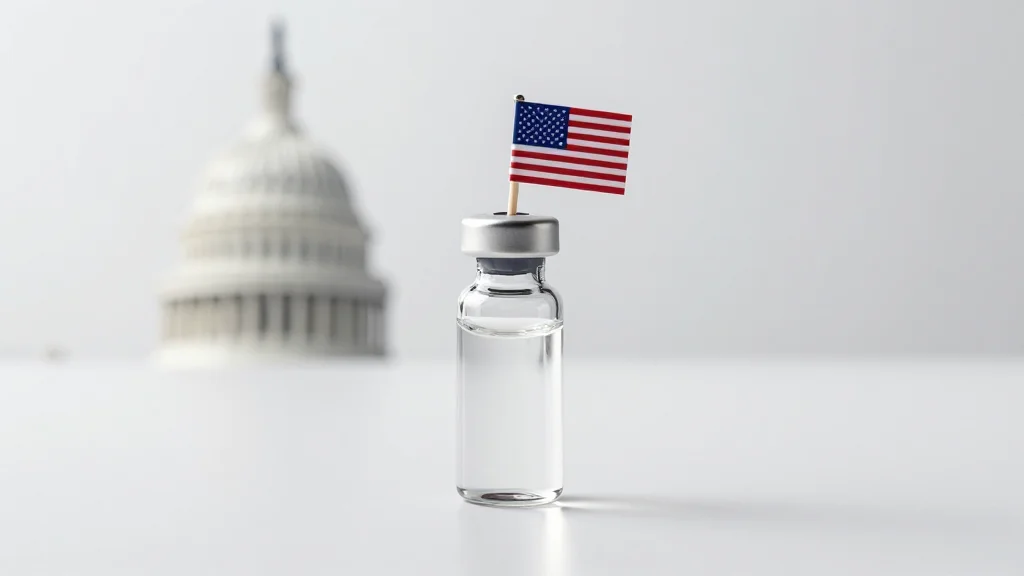
RFK Jr. Cites Danish Vaccine Study to Justify $2.6 B Gavi Funding Cut

Why It Matters
The episode illustrates how scientific controversy can be weaponized in policy arenas, directly affecting billions of dollars in global health financing. A reduction in Gavi funding threatens immunization programs that have saved millions of lives, while the credibility of vaccine research faces heightened public scrutiny. Moreover, the HHS grant to further study vaccine effects signals a potential shift toward re‑examining long‑standing immunization paradigms, which could reshape regulatory standards worldwide. For the pharmaceutical industry, the debate raises questions about the stability of demand for routine vaccines and the political risk associated with vaccine safety narratives. Companies may need to navigate a more polarized environment, balancing scientific rigor with public communication strategies to maintain trust and market access.
Key Takeaways
- •U.S. HHS Secretary Robert F. Kennedy Jr. used a 2017 Danish DTP study to justify a $2.6 billion cut to Gavi funding.
- •Gavi estimates the cut could cause 1.2 million preventable deaths over five years.
- •The original study involved 535 girls, with four vaccinated deaths versus one unvaccinated, a sample size deemed statistically weak.
- •A follow‑up 2022 paper by the same authors found no mortality impact from the DTP vaccine alone.
- •HHS awarded $1.6 million to the Bandim Health Project to study hepatitis B birth‑dose effects.
Pulse Analysis
The decision to tether a multi‑billion‑dollar aid program to a single, contested study reflects a broader trend of politicizing scientific evidence. Historically, vaccine policy has relied on large‑scale epidemiological data and consensus from bodies like WHO. By elevating a small, methodologically disputed paper, the administration risks undermining that consensus and creating a precedent where niche findings can dictate funding allocations.
From a market perspective, the potential funding shortfall could depress demand for vaccines in low‑income markets, where Gavi’s procurement contracts represent a sizable revenue stream for manufacturers. Companies may respond by diversifying their pipelines toward products less dependent on public‑sector purchases or by intensifying lobbying efforts to protect existing funding mechanisms.
Looking ahead, the Danish scientific board’s forthcoming report will be a litmus test for the credibility of the Aaby‑Benn work. If the investigation confirms methodological flaws, it could force a recalibration of policy arguments that hinge on the study, possibly restoring some of the threatened Gavi resources. Conversely, a vindication could embolden further scrutiny of live‑attenuated vaccines, reshaping global immunization strategies and opening new research avenues for vaccine developers.
RFK Jr. Cites Danish Vaccine Study to Justify $2.6 B Gavi Funding Cut
Comments
Want to join the conversation?
Loading comments...