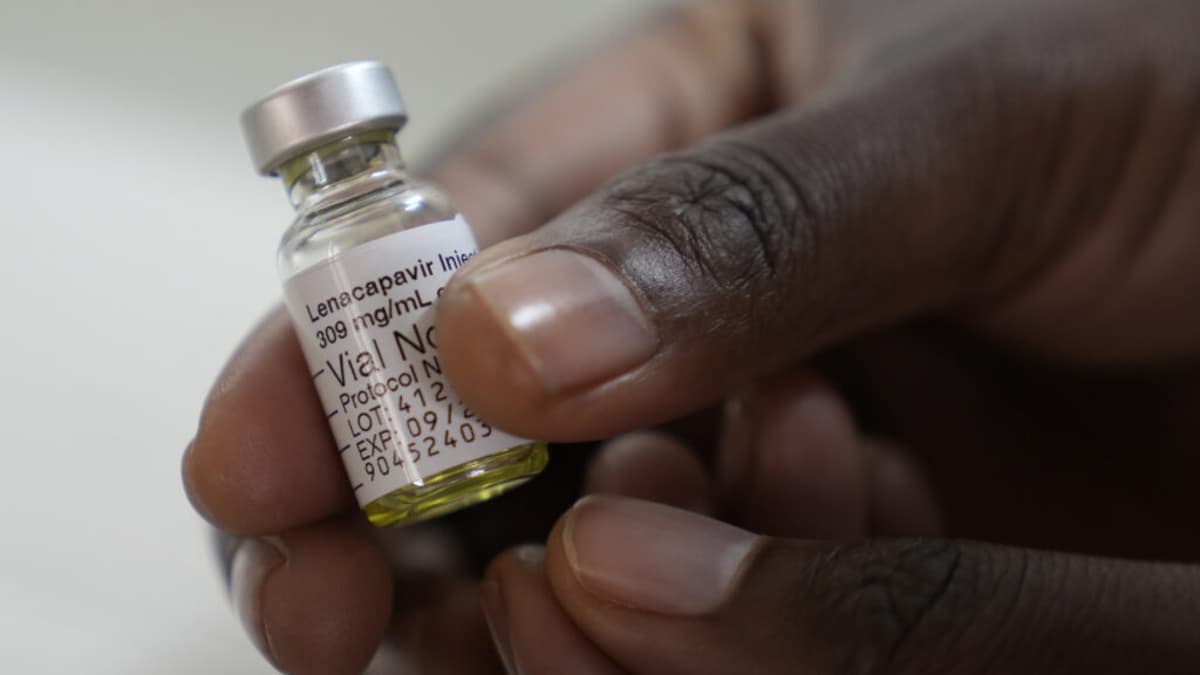
STAT+: Gilead and South Africa Are Negotiating a License for Local Production of New HIV Drug
•March 5, 2026
0
Why It Matters
Local production promises lower prices and broader availability, accelerating HIV‑prevention goals across sub‑Saharan Africa. The partnership also signals a shift toward collaborative licensing models for high‑impact medicines.
Key Takeaways
- •Gilead to grant voluntary license for lenacapavir production
- •South Africa aims to manufacture six‑month HIV PrEP locally
- •Unitaid and US Pharmacopeia assist in supplier selection
- •Local production could lower costs and expand access
- •Lenacapavir offers near‑complete protection with biannual injection
Pulse Analysis
The introduction of lenacapavir marks a pivotal moment in HIV prevention, offering a biannual injectable that delivers almost complete protection against infection. Unlike daily oral PrEP regimens, this long‑acting formulation simplifies adherence and could dramatically reduce new HIV cases if deployed at scale. Its clinical success has generated intense interest from public health agencies worldwide, positioning the drug as a cornerstone of future prevention strategies.
Gilead's decision to negotiate a voluntary licence with South Africa reflects a growing trend of pharmaceutical firms leveraging local manufacturing to overcome access barriers. By collaborating with Unitaid and the US Pharmacopeia, the partnership ensures that selected manufacturers meet stringent quality standards while fostering domestic capacity. This model not only accelerates the drug’s rollout but also creates a sustainable supply chain that can respond to regional demand fluctuations, potentially driving down unit costs through economies of scale.
For the broader African market, the arrangement could serve as a template for other high‑impact therapies, encouraging governments to pursue similar licensing agreements. Reduced reliance on imports enhances drug security and aligns with continental initiatives to strengthen local pharma ecosystems. Moreover, Gilead stands to benefit from expanded market penetration and goodwill, reinforcing its reputation as a leader in innovative HIV solutions while navigating the complex economics of global health access.
STAT+: Gilead and South Africa are negotiating a license for local production of new HIV drug
0
Comments
Want to join the conversation?
Loading comments...