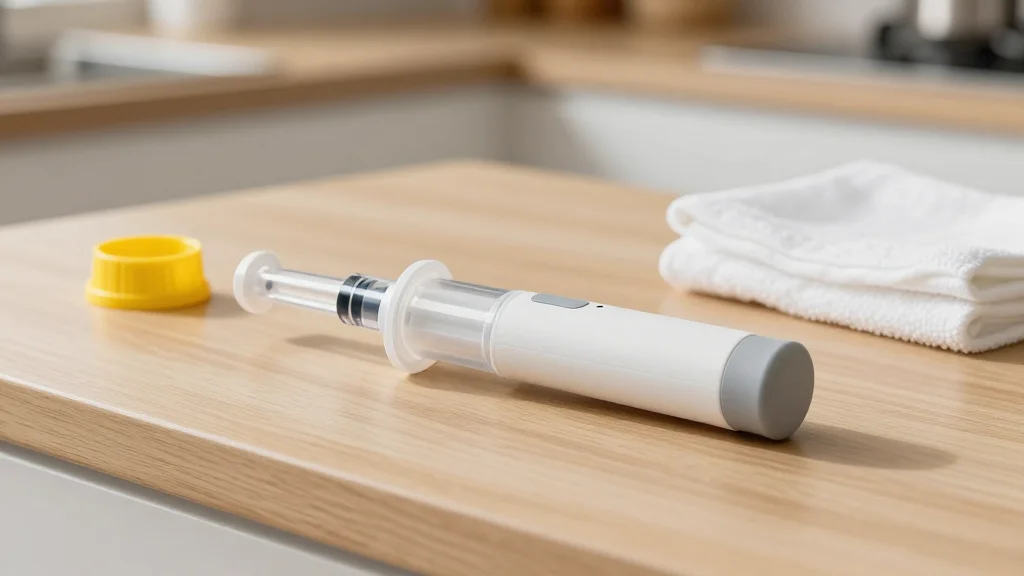
The Evolving Landscape of Subcutaneous Drug Administration
Why It Matters
SC delivery lowers overall therapy costs and improves adherence, while new packaging solutions unlock market potential for high‑volume biologics.
Key Takeaways
- •Biologics approvals outpace small‑molecule NMEs since 2021.
- •SC delivery reduces costs, improves patient comfort versus IV.
- •Bioavailability drops 60‑80% for SC, requiring higher doses.
- •Wearable injectors enable >5 mL subcutaneous volumes.
- •Datwyler’s NeoFlex plungers now support up to 20 mL cartridges.
Pulse Analysis
The surge in biologic new molecular entities has forced the industry to rethink traditional intravenous infusions. Intravenous therapy, though highly bioavailable, ties patients to hospitals and inflates treatment expenses. Subcutaneous injection offers a home‑based alternative that can dramatically reduce overhead and improve patient satisfaction, but the trade‑off is a substantial drop in bioavailability and the need for larger injection volumes. This tension has spurred a wave of formulation science aimed at concentrating proteins and improving tissue uptake, setting the stage for a new delivery paradigm.
To bridge the gap between patient convenience and therapeutic efficacy, manufacturers are deploying advanced co‑formulation strategies and novel device platforms. Technologies that increase the subcutaneous depot space—such as viscosity‑modifying excipients or micro‑suspension oils—allow higher‑dose biologics to be administered in smaller volumes. Wearable injectors like Amgen’s Onpro provide hands‑free, programmable dosing for volumes exceeding five milliliters, delivering oncology and immunology treatments over minutes rather than hours. These devices integrate smart tracking and safety features, positioning them as critical enablers for the expanding market of large‑volume biologics.
The shift toward larger SC volumes reverberates through the primary‑packaging ecosystem. Elastomeric plungers must now deliver consistent glide forces across cartridges up to 20 mL while maintaining ultra‑low extractables to protect sensitive molecules. Datwyler’s NeoFlex™ line addresses these demands with fluoropolymer‑coated plungers produced in its FirstLine® facilities, offering a risk‑free interface that minimizes particulate generation and dead‑volume. By aligning material science with device engineering, such solutions accelerate adoption of SC delivery, promising lower costs, higher adherence, and broader patient access to cutting‑edge biologic therapies.
The evolving landscape of subcutaneous drug administration
Comments
Want to join the conversation?
Loading comments...