There Is No Vaccine for Deadly Hantavirus: What that Means for Future Outbreaks
Why It Matters
The lack of a licensed hantavirus vaccine leaves travelers, military personnel, and at‑risk communities vulnerable to high‑mortality outbreaks, underscoring a critical gap in zoonotic disease preparedness.
Key Takeaways
- •Andes virus caused deaths on MV Hondius cruise ship
- •No approved hantavirus vaccine exists despite decades of research
- •US Army lab completed phase‑1 trials for Andes DNA vaccine
- •Vaccine needs three doses, limiting rapid outbreak response
- •Funding gaps and trial design impede licensure progress
Pulse Analysis
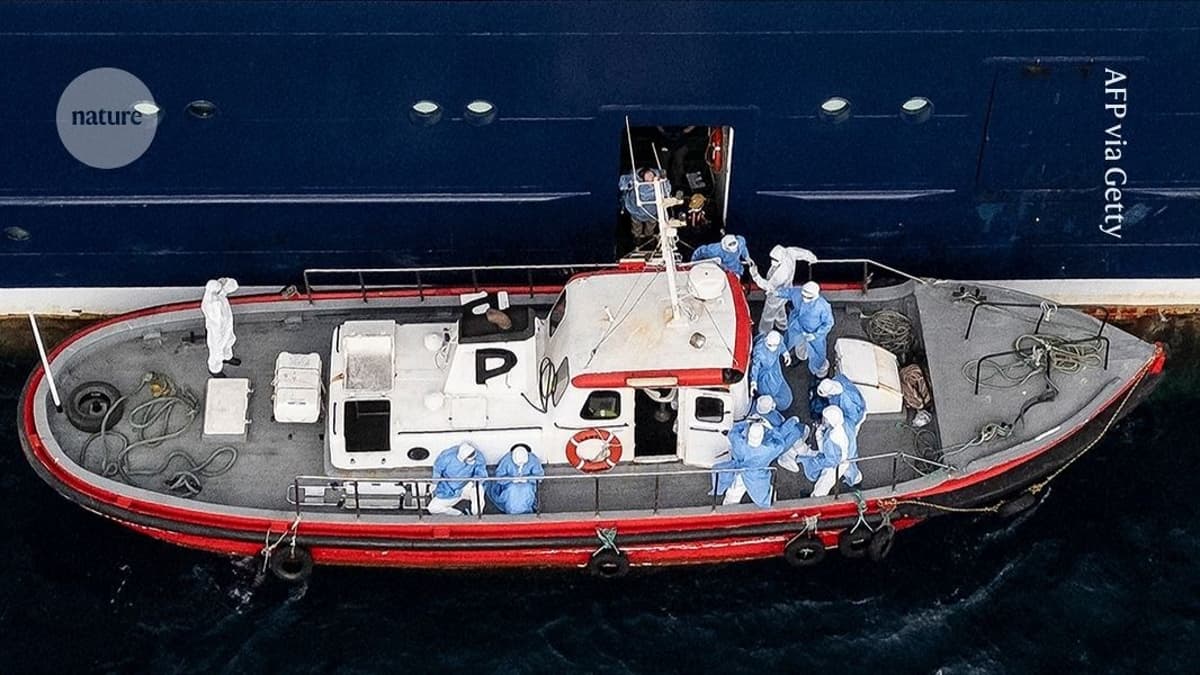
Hantavirus, a zoonotic pathogen transmitted through rodent excreta, has resurfaced in the public eye after a deadly outbreak aboard the MV Hondius cruise ship. The incident, confirmed by the World Health Organization, involved the Andes strain—a variant capable of limited human‑to‑human transmission and a case‑fatality rate approaching 50 percent. Climate‑driven shifts in rodent populations are widening the geographic overlap between humans and disease reservoirs, raising concerns that similar events could become more frequent across travel and military settings.
For more than three decades, the U.S. Army Medical Research Institute of Infectious Diseases (USAMRIID) has pursued a vaccine solution. Lead virologist Jay Hooper’s team has refined hamster models that mimic human hantavirus pulmonary syndrome, enabling pre‑clinical testing of DNA‑based candidates. Recent phase‑1 data show the Andes DNA vaccine elicits robust neutralizing antibodies, a promising correlate of protection. However, the regimen demands three injections—a logistical hurdle for rapid deployment during an outbreak. Moreover, the rarity and scattered nature of human cases impede traditional phase‑3 efficacy trials, forcing developers to rely on immunogenicity endpoints and innovative licensing pathways.
The broader implications are stark: without an approved vaccine, public health agencies must rely on rodent control and personal protective measures, which are often insufficient in densely populated travel environments. Securing sustained funding and establishing adaptive regulatory frameworks are essential to move the candidate through advanced stages. As climate change reshapes disease ecology, the hantavirus vaccine effort serves as a bellwether for how the U.S. and global health systems will address emerging zoonoses that lack commercial incentives but pose significant security risks.
There is no vaccine for deadly hantavirus: what that means for future outbreaks
Comments
Want to join the conversation?
Loading comments...