Translational Intelligence: The CDMO's Unspoken Role in the ATMP Journey
Why It Matters
Bridging the research‑to‑GMP gap accelerates ATMP timelines, reduces regulatory setbacks, and unlocks capital, making translational intelligence a decisive factor for commercial success.
Key Takeaways
- •Process is the product; manufacturing defines ATMP efficacy.
- •CDMOs shift from service providers to early translational partners.
- •Pre‑GMP innovation hubs co‑locate development with production for faster batch release.
- •Swedish GMP infrastructure, active since 1990s, underpins Europe’s ATMP leadership.
Pulse Analysis
The most formidable obstacle for ATMP developers today is not scientific discovery but the translation of a lab‑scale process into a reproducible, GMP‑compliant manufacturing flow. Because the living cells that constitute the therapy are inseparable from how they are produced, any variation in expansion parameters, media, or cryopreservation can fundamentally alter the product. This reality forces developers to confront a dual‑logic challenge: research thrives on variability, while GMP demands strict control. When the gap is mismanaged, late‑stage failures trigger regulatory holds, clinical pauses, and investor pull‑backs, effectively creating a new kind of "valley of death" that is structural rather than financial.
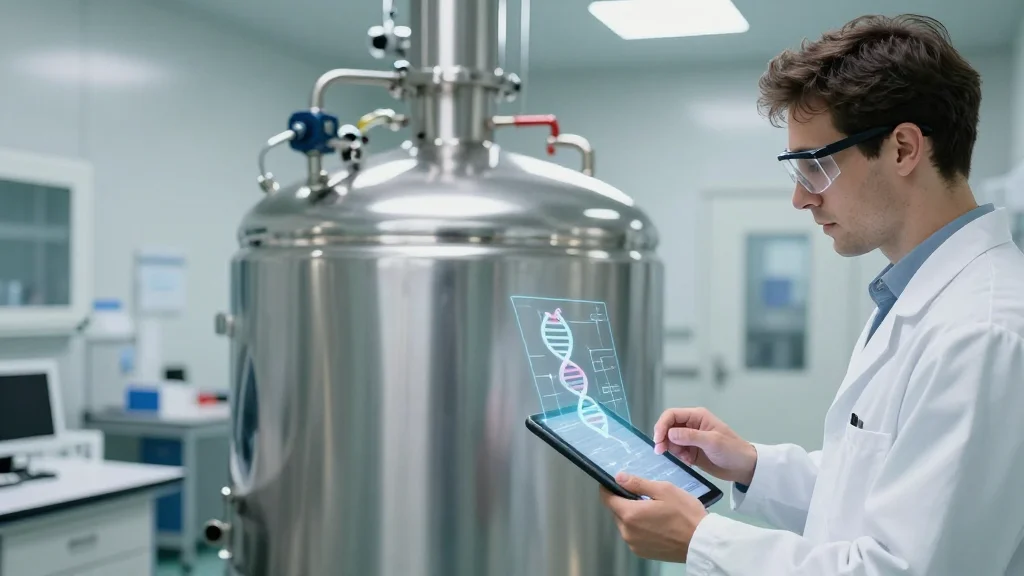
Contract Development and Manufacturing Organizations (CDMOs) are responding by redefining their role from pure service providers to translational intelligence partners. By establishing pre‑GMP innovation hubs that sit adjacent to full‑scale production suites, CDMOs enable developers to co‑design processes while the manufacturing environment is still flexible. This proximity allows real‑time transfer of learnings, early identification of critical quality attributes, and rapid iteration before a process is locked, dramatically shortening timelines—from concept to first GMP batch in as little as 18 months in some cases. The shift emphasizes people and institutional memory over equipment, leveraging decades of experience across recombinant proteins, monoclonal antibodies, and now cell‑based therapies.
Europe, and Sweden in particular, illustrates the strategic advantage of early investment in translational infrastructure. Sweden’s GMP facilities have been operational since the late 1990s, producing the first European CAR‑T trial material by 2014. This long‑standing capability not only attracts developers seeking regulatory rigor—especially under the EMA’s detailed ATMP framework—but also offers a protective layer for capital by delivering robust manufacturing evidence that eases FDA interactions. As the ATMP market matures, the organizations that can embed translational intelligence at the earliest stages will dictate which therapies reach patients, making the CDMO’s evolving partnership model a cornerstone of future biotech success.
Translational Intelligence: The CDMO's Unspoken Role in the ATMP Journey
Comments
Want to join the conversation?
Loading comments...