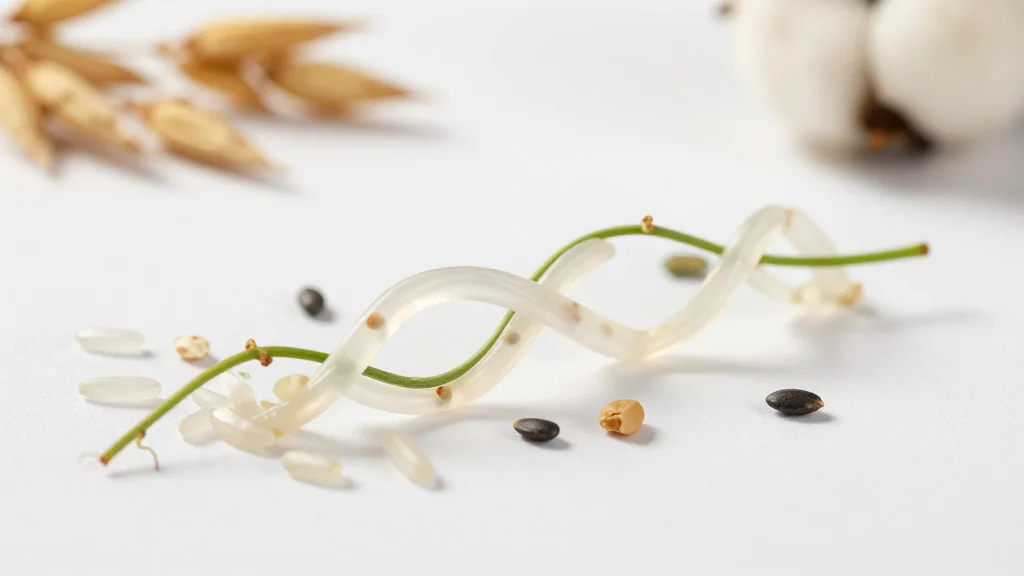
Brainfood: Diversity of Oats, Cotton, Sugarcane, Rice, Amaranthus, Vegetables, Agroforestry, Value Chains
A wave of genome‑wide studies is charting the genetic diversity of major and under‑utilized crops—from oat, cotton and sugarcane to rice, amaranth, and vegetable species. The research uncovers population structures, domestication bottlenecks, and trait‑linked genes that can fuel next‑generation breeding. Parallel work shows how climate‑driven thermal limits threaten rice yields, while diversified gardening in refugee camps improves nutrition and agroforestry designs promise resilient, biodiversity‑rich farms. Together, these findings bridge academic insight and practical pathways toward nature‑positive supply chains.
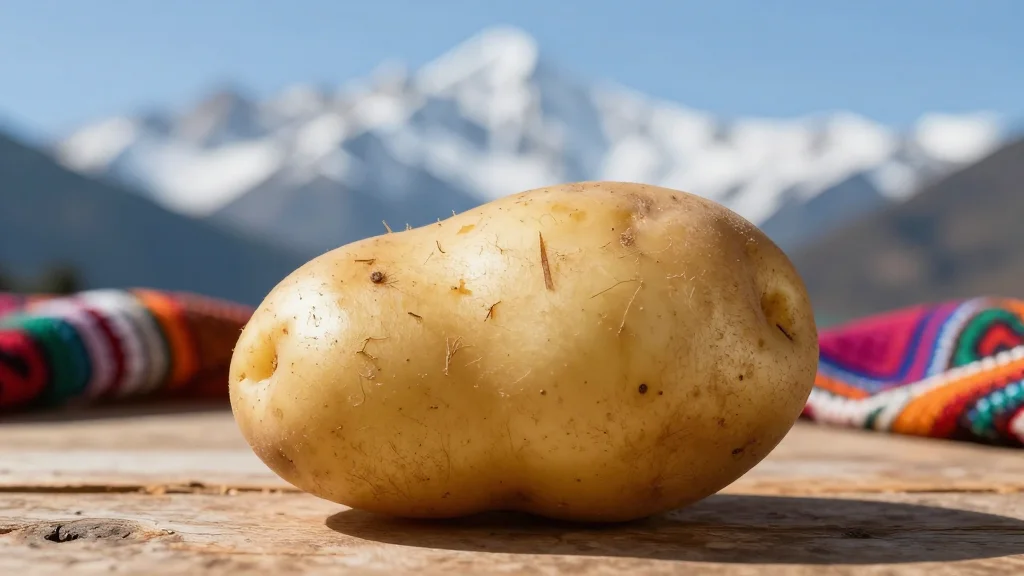
Brainfood: Indigenous Edition
Recent research underscores Indigenous peoples’ pivotal role in genetic adaptation, animal domestication, and sustainable food systems. Andean populations exhibit a rapid rise in AMY1 salivary amylase gene copies, mirroring a 10,000‑year potato‑based diet. Horse domestication emerged as a prolonged, regionally...

Brainfood: Spatial Data Edition
A suite of new high‑resolution spatial datasets is reshaping how researchers link climate, agriculture, and ecosystems. The ClimSat classification offers an ecologically refined global climate map, while a 10 m resolution field‑boundary layer lets analysts assign climate zones to every farm....
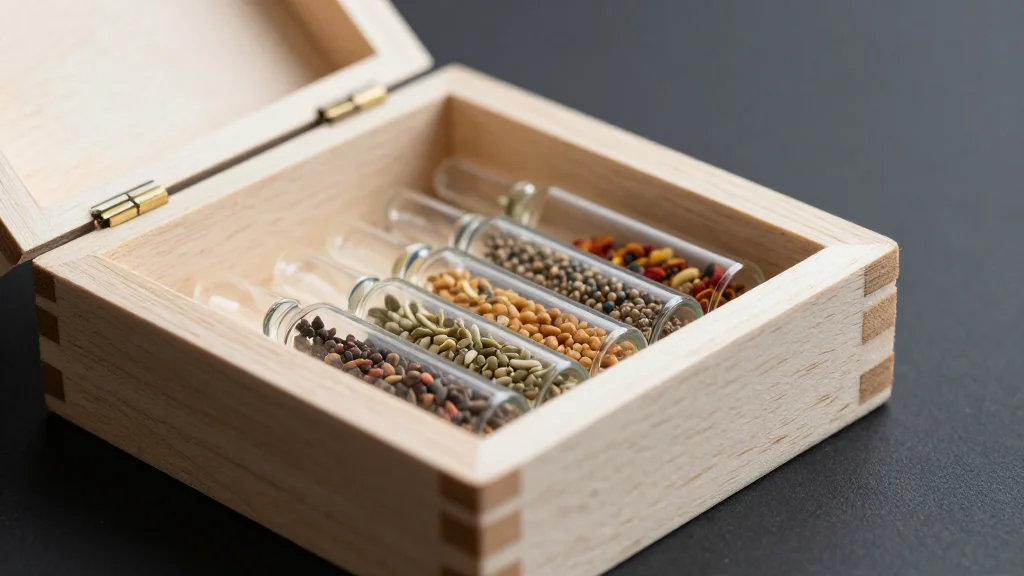
Brainfood: Targets, Plant Treaty, Decolonization, Fonio Germination, Recalcitrant Seeds, Microbiome, Taro Seed System
A recent analysis highlights that only 21% of threatened plant species are conserved in genebanks across 44 European and western Asian countries, underscoring a critical biodiversity gap. The international Plant Treaty shows promise for enhancing germplasm exchange, as illustrated by...
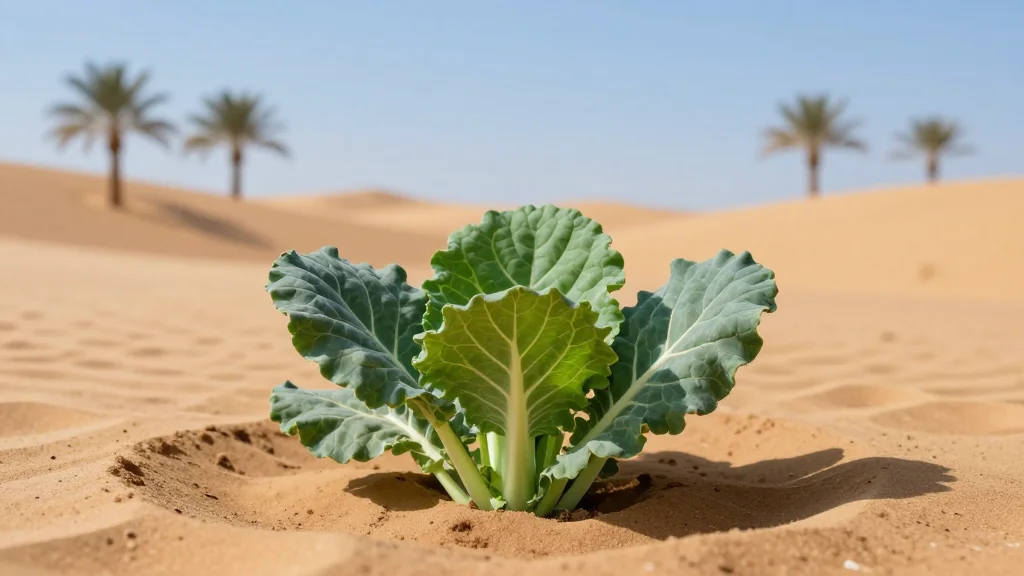
Gaps Galore in Collards Collections
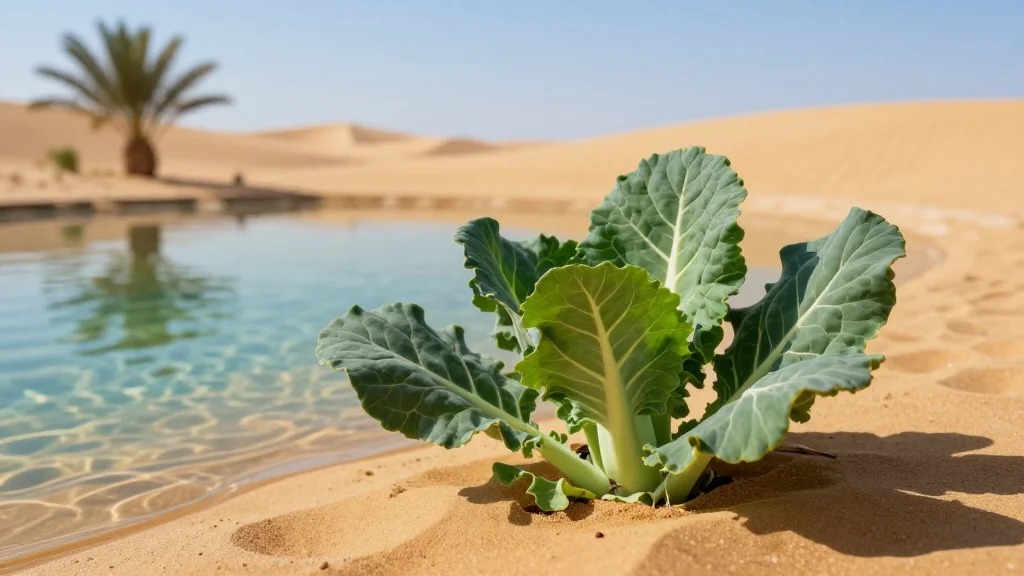
Ethnobotanists Bronwen Powell and Abderrahim Ouarghidi examined the origins of collard greens cultivated in Morocco’s Draa and Ziz oases, combining historical texts, linguistics and Indigenous knowledge. Their companion study notes that Genesys lists just over 1,500 Brassica oleracea var. acephala...
Brassica on the Brink
Ethnobotanists Bronwen Powell and Abderrahim Ouarghidi have spent two decades mapping how collard greens reached remote Saharan oases. Their recent Economic Botany paper, summarized in The Conversation and discussed on the Eat This Podcast, shows the vegetable traveled via trans‑Saharan...
When the Levee Breaks
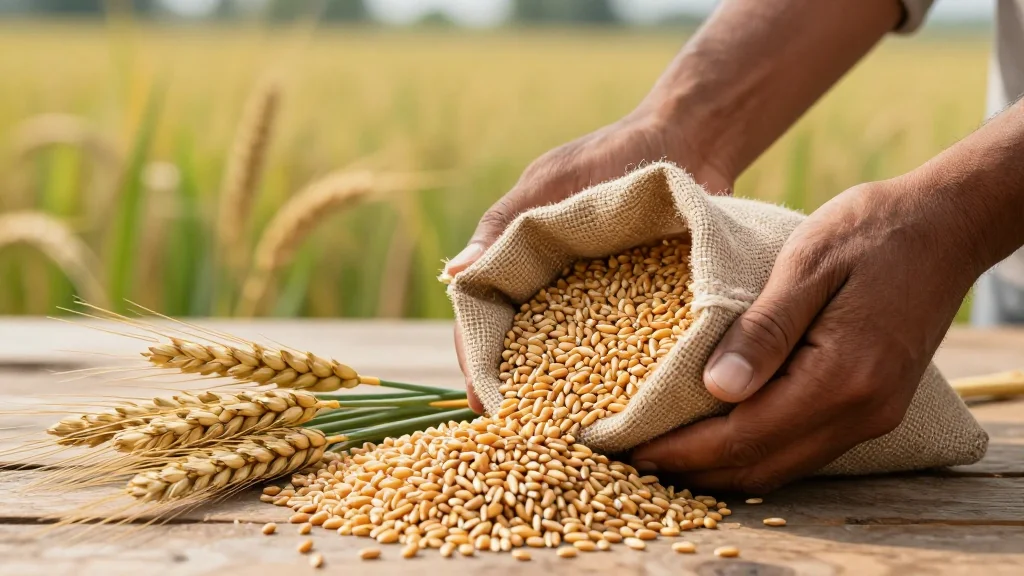
The Punjab Agricultural University’s community seed‑bank program helped flood‑stricken farmers quickly access quality wheat seeds, enabling a farmer in Baopur Jadid to harvest roughly 23 quintals per acre. By providing improved varieties such as PBW 872, the banks cut sowing delays...
Underselling Breeding, and Conservation
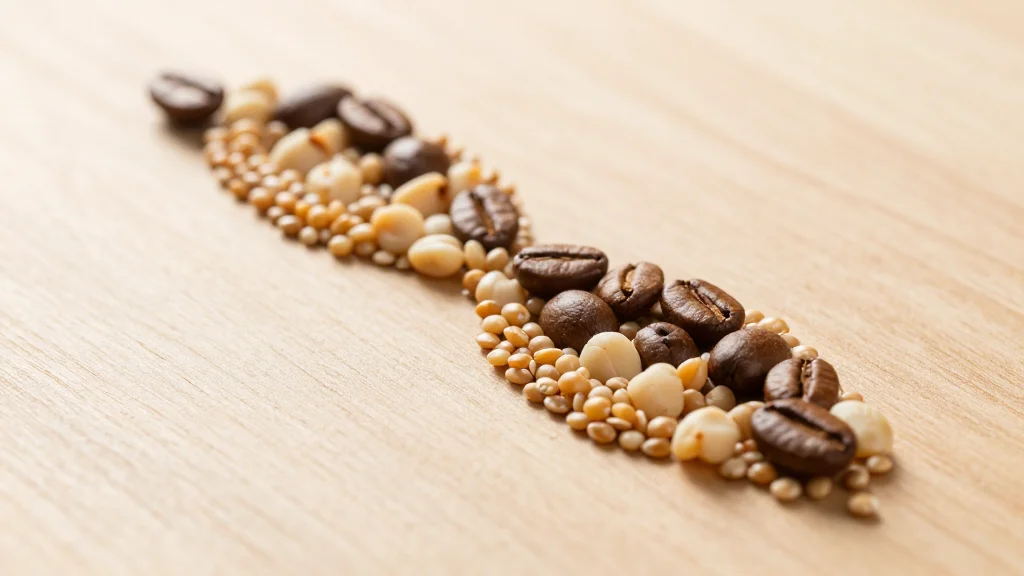
A Reddit post highlighted that the $100 billion global coffee industry allocates only a tiny share to breeding and conserving plant genetics. The same underfunding applies to other “opportunity crops” such as fonio and Bambara groundnut. Despite clear biological upside and...
Rare Today, Relevant Tomorrow: Lessons From an Old Barley Experiment
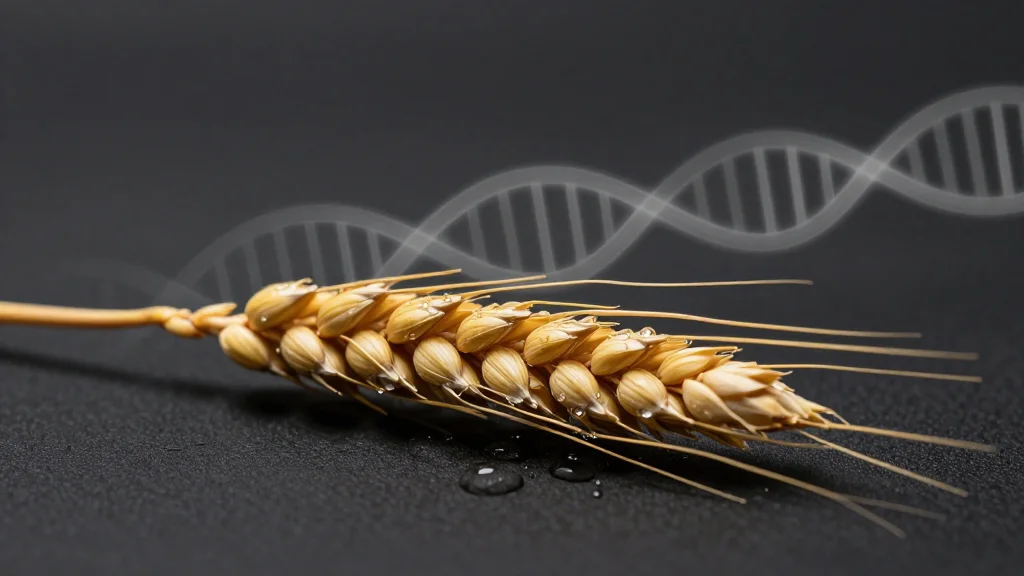
The Composite Cross II (CCII) barley experiment, started in 1929 at UC Davis, has been sown and harvested for 58 generations, creating a century‑scale evolutionary breeding dataset. Recent genomic analysis shows natural selection quickly narrowed genetic diversity, especially in flowering‑time...
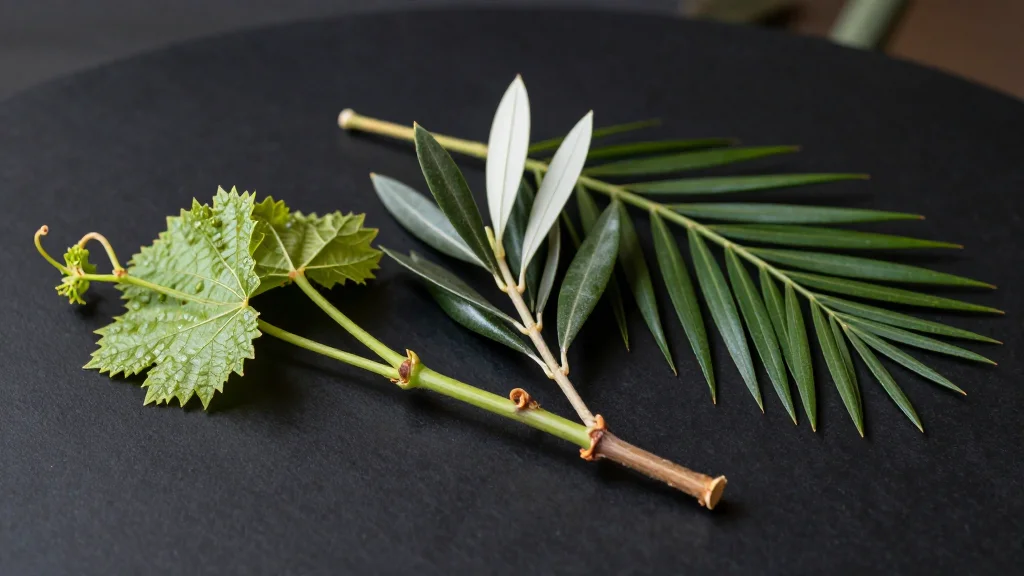
Brainfood: Clonal Crops Edition
Recent research underscores both the ancient roots and modern challenges of clonal crops such as grapevine, olive, and date palm. Ancient DNA analysis reveals 4,000 years of grapevine diversity in France, confirming vegetative propagation since the Iron Age. Machine‑learning now streamlines...
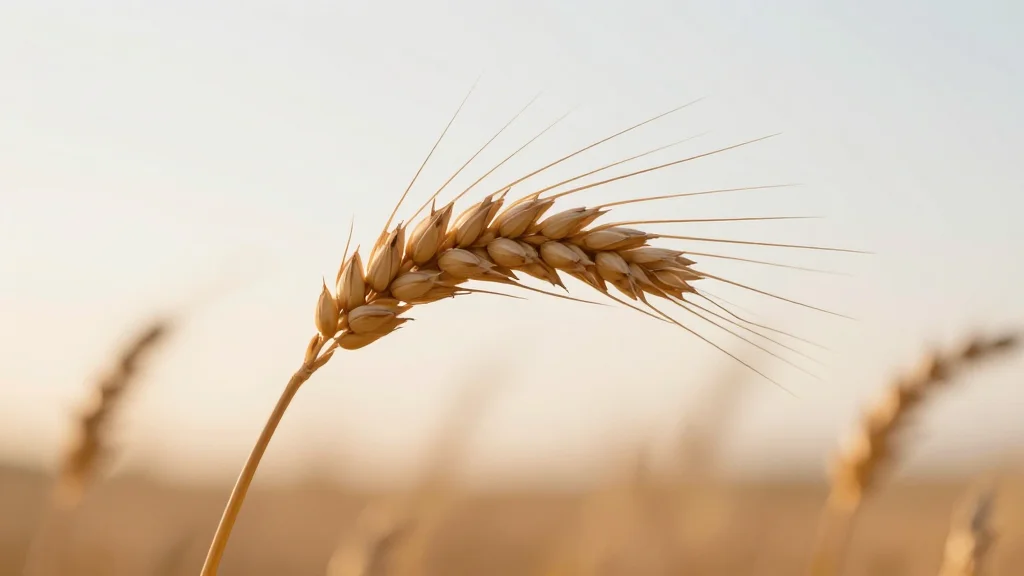
Beat the Heat with Seeds
The FAO‑WMO joint report on extreme heat and agriculture highlights how rising temperatures threaten crop productivity and expose gaps in agrobiodiversity strategies. While the report outlines technical and strategic adaptations, it omits any reference to ex situ conservation such as...
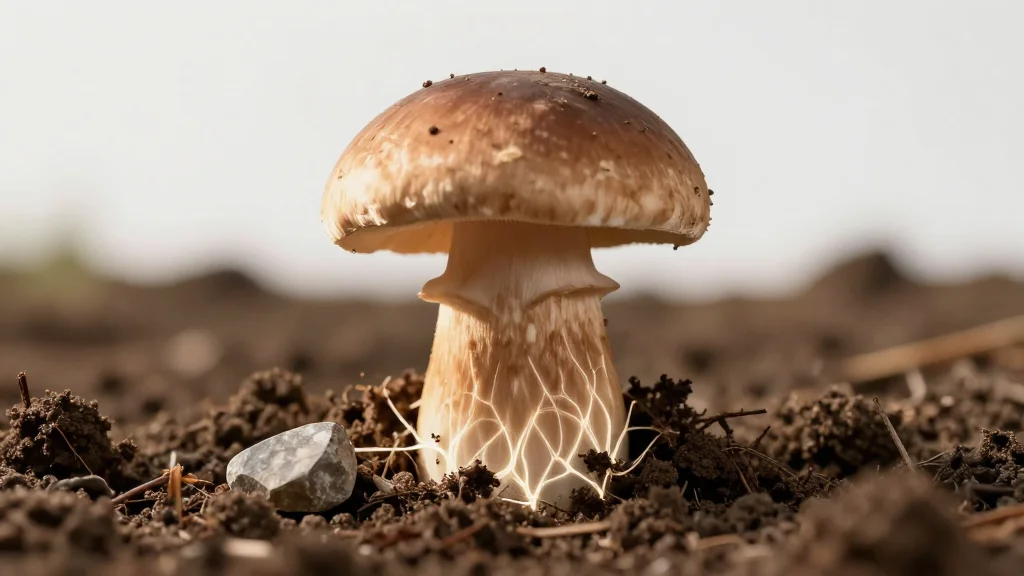
A Mycelial Thread Through Human History
A new review in New Scientist shows that fungi were integral to early human societies, not marginal curiosities. Archaeological DNA and residue analyses reveal that polypore fungi were processed into amadou tinder for portable fire kits, while diverse mushrooms featured...
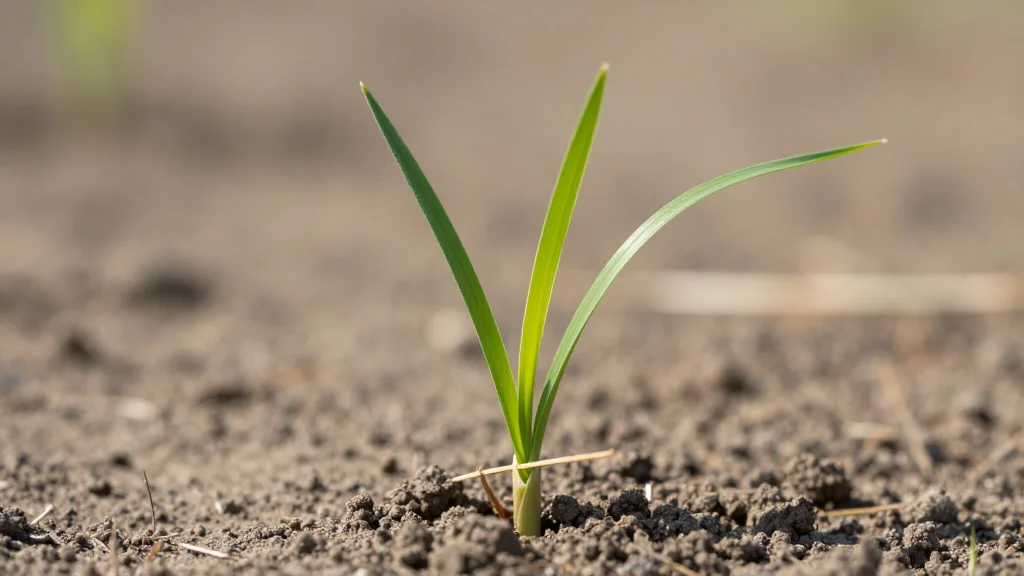
The Seeds of Tropical Fodder Grass Development
Bajra–Napier Hybrids (BNH) combine pearl millet and Napier grass to deliver 200–300 tonnes of green fodder per hectare, far exceeding typical tropical forages. Their high biomass, perennial growth and 8–14% crude protein make them a premium feed for smallholder dairy systems....
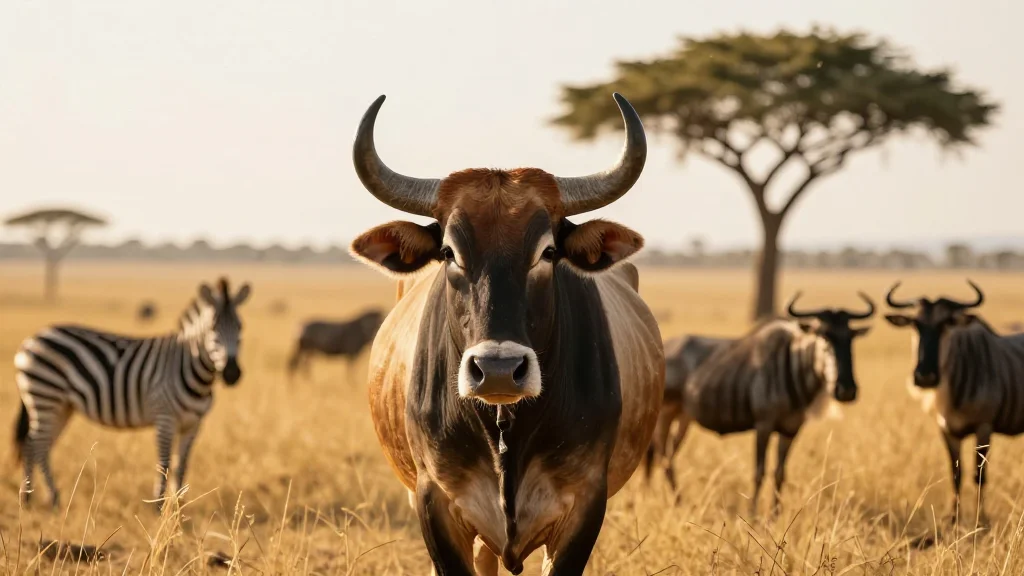
Brainfood: Animal Diversity Edition
Recent research underscores the dual role of livestock in both supporting ecosystem health and preserving animal genetic resources. A study in the Greater Serengeti‑Mara shows that controlled grazing can boost plant species richness, while a suite of genetic investigations—from golden...
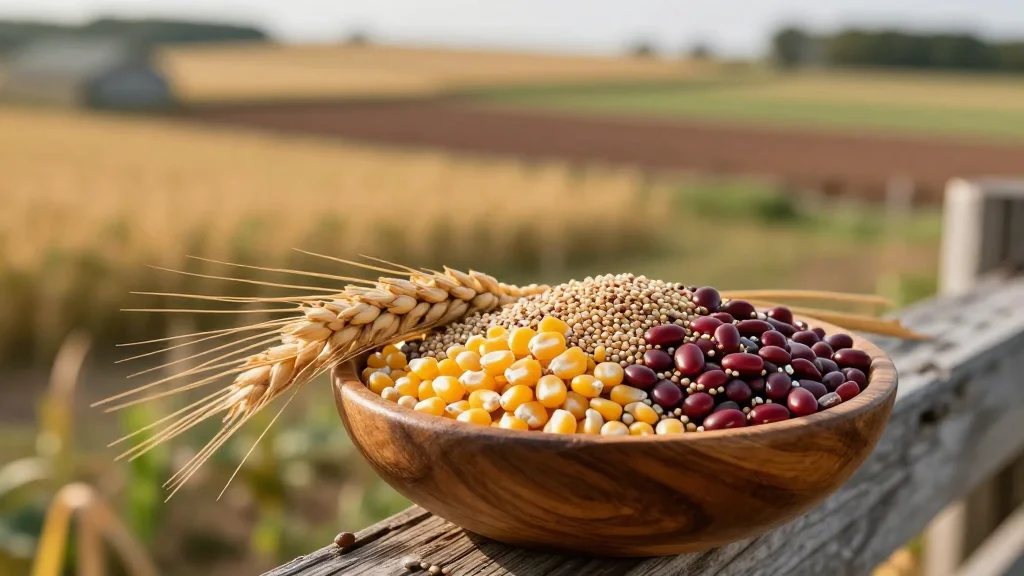
We Need Diverse Farms, and Genebanks Can Help
A new Nature Communications meta‑analysis of 184 prior studies covering 120 years finds that farm diversification—through intercropping, organic practices and other agrobiodiversity strategies—significantly raises financial profitability, biodiversity, pollination, soil quality and carbon sequestration over a 20‑year horizon, without any measurable...