
Recent Posts
Video•Feb 26, 2026
Pick Your Poison: The Enduring Threat of Biological Toxins
The Bipartisan Commission on Biodefense convened at the Atlantic Council to chart the evolving threat landscape of biological toxins. Experts examined how state and non‑state actors could weaponize agents such as ricin, botulinum toxin, and newly engineered proteins. The briefing highlighted gaps in detection infrastructure, limited antitoxin stockpiles, and the accelerating role of synthetic biology. Commissioners concluded that coordinated policy action is essential to mitigate future toxin‑driven attacks.
By Atlantic Council
Video•Feb 19, 2026
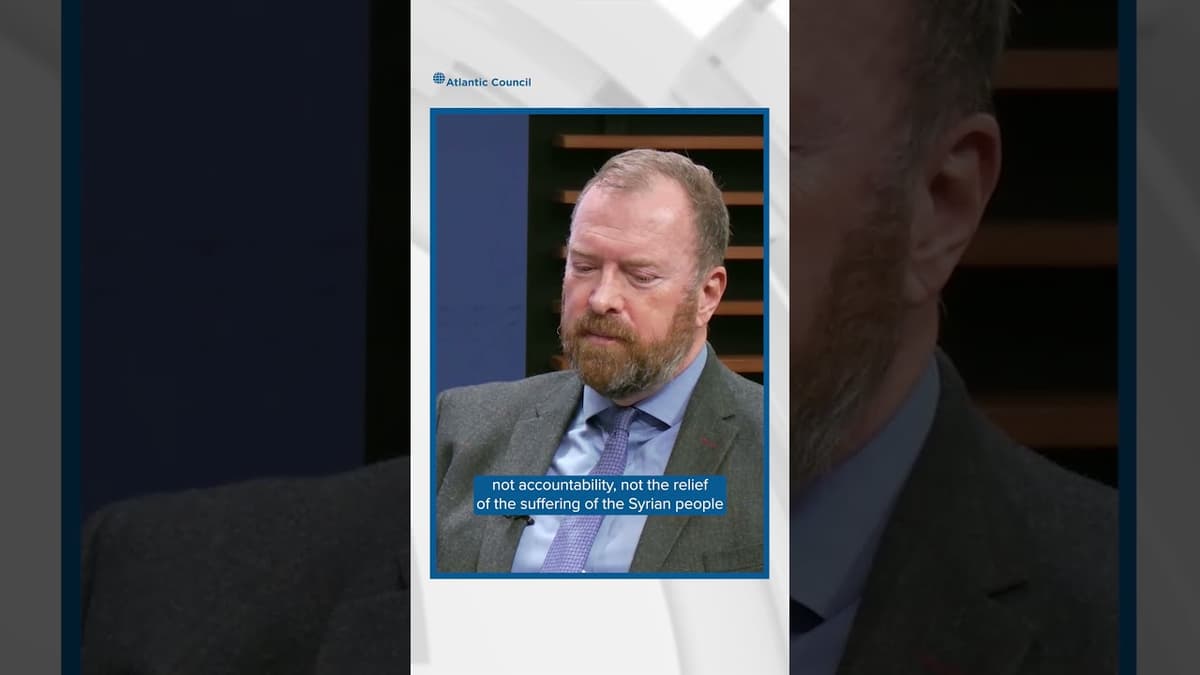
Removing the "Mechanism of Harm": Lessons From Syria for US-Turkey Relations
A former military and State Department adviser argues that US-Turkey ties have been strained for a decade by conflicting Syria policies, and likens the need to resolve that strain to the medical principle of removing the "mechanism of harm." He...
By Atlantic Council
Video•Feb 18, 2026
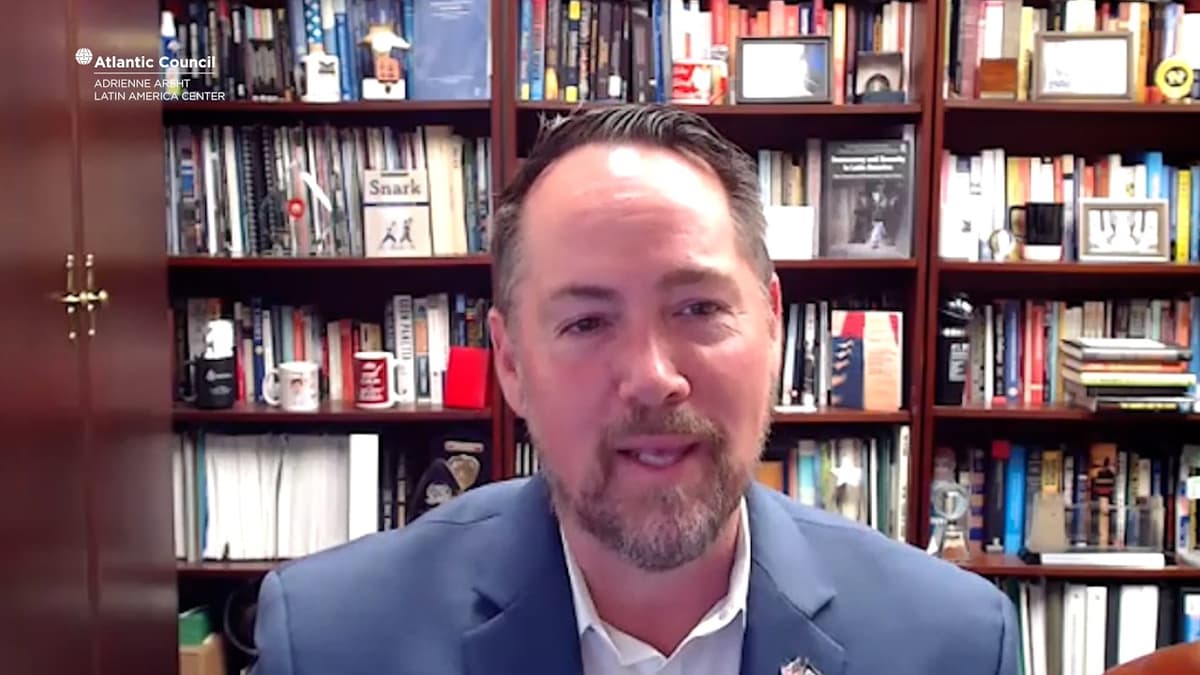
China and Latin America, Explained: A Conversation with Brian Fonseca
The video features Dr. Brian Fonseca discussing how China’s expanding economic, technological, and security footprint in Latin America and the Caribbean is reshaping U.S. hemispheric strategy. He frames the issue within the latest U.S. National Security Strategy, which labels Beijing...
By Atlantic Council
Video•Feb 17, 2026
Turkey's Evolving Role in a New Global Geopolitical and Security Order
Speakers at the Atlantic Council event argued that amid a perceived shift away from a US-led rules-based order, Turkey is consolidating its role as a middle power by pursuing strategic autonomy through hedging, expanded defense and energy self-sufficiency, regional mediation,...
By Atlantic Council
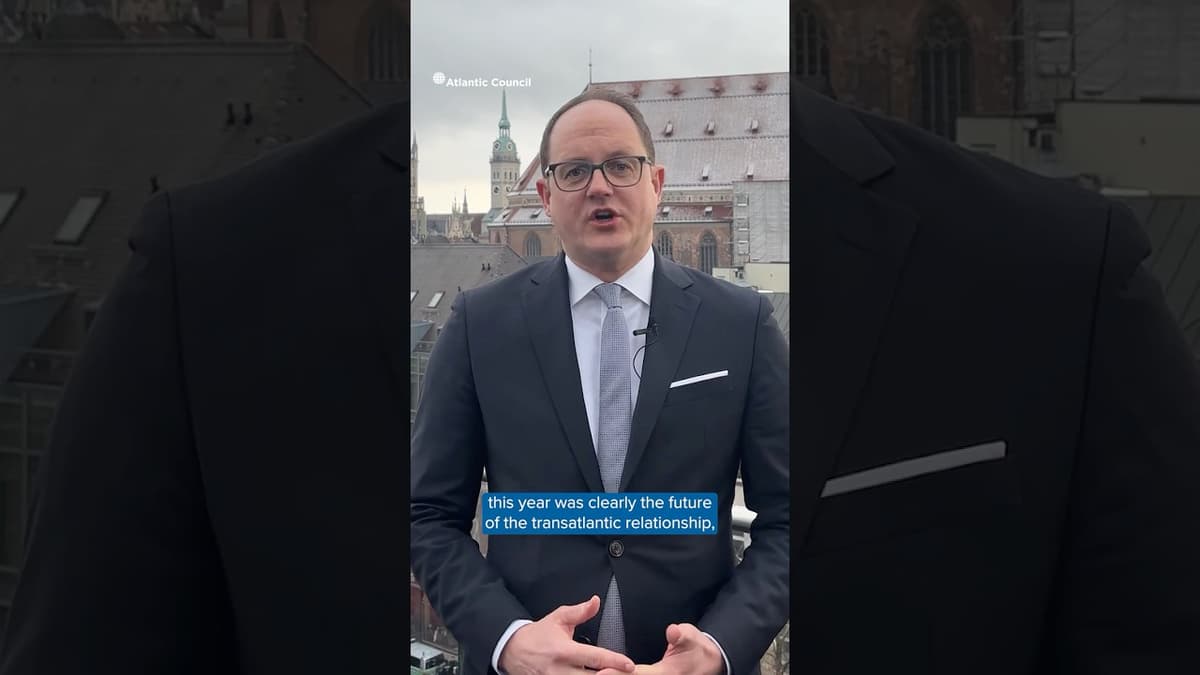
Video•Feb 15, 2026
Evolving Relationship Between US and Europe on Display at Munich Security Conference
The Munich Security Conference centered on the future of the transatlantic partnership, highlighting a noticeable shift in Washington’s tone. After a year of sharp rhetoric, U.S. officials presented a more conciliatory, "charm offensive" aimed at easing tensions with European allies. Analysts...
By Atlantic Council