
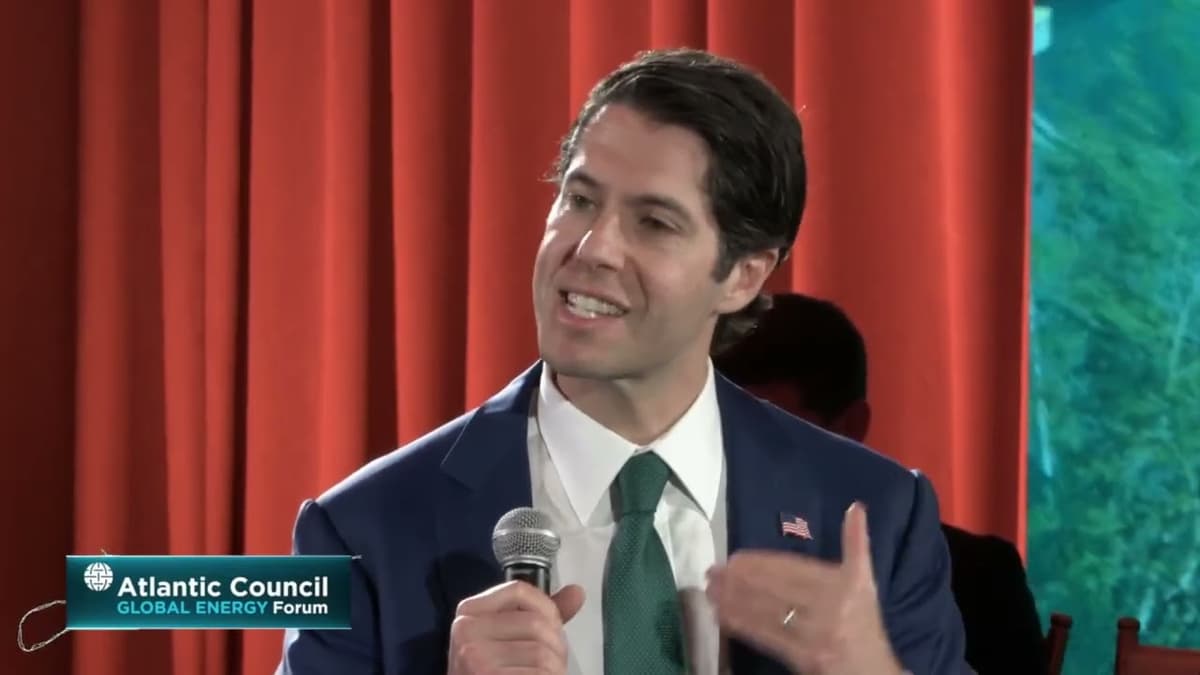
Fireside Chat: Mobilizing Capital to Build Strategic Infrastructure at Scale
A high‑level fireside chat convened to discuss how the United States can mobilize capital, industrial capacity, and execution expertise to build strategic energy and infrastructure at scale. The event featured Ben Black, CEO of the U.S. International Development Finance Corporation, and Michael Sabel, founder and CEO of Venture Global, with Atlantic Council’s Landon Derentz moderating. Participants will examine financing frameworks, policy levers, and construction strategies needed to translate ambitious projects into reality. The dialogue emphasizes public‑private partnerships as a catalyst amid a heightened geopolitical imperative for resilient infrastructure.
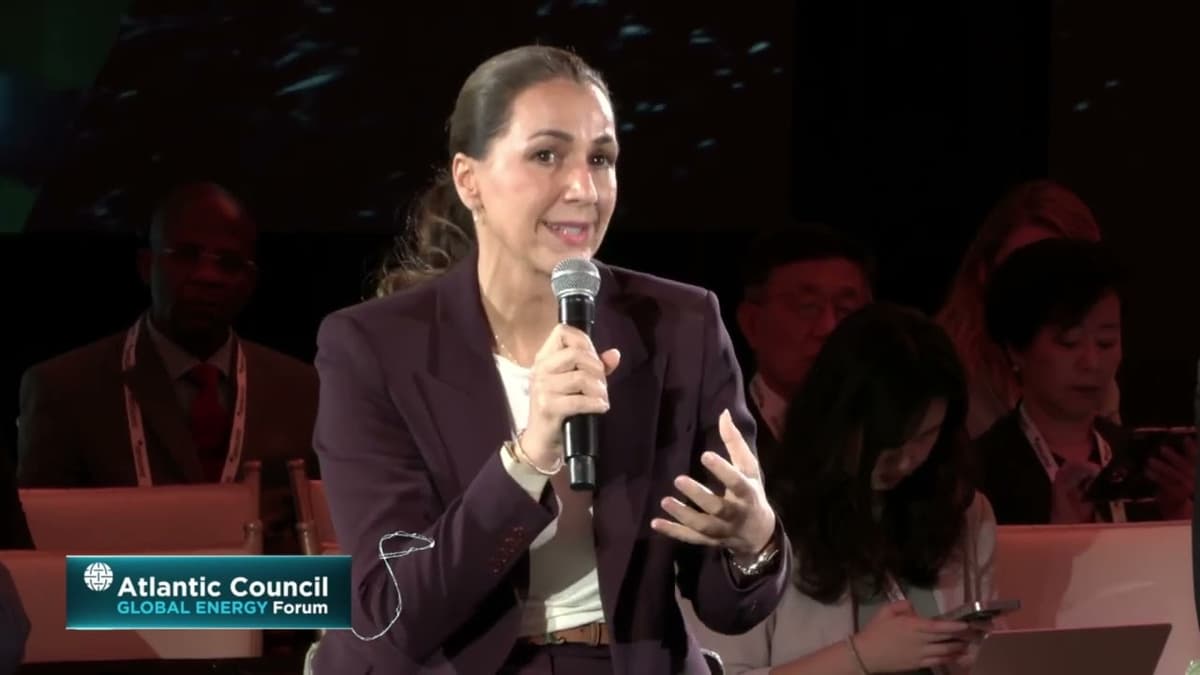
Panel: Artificial Intelligence and the Energy Addition Challenge
The panel brought together leaders from Dominion Energy, ABB, Escale and the UAE to examine how exploding AI‑driven data‑center workloads are reshaping electricity demand and what that means for grid planners. Speakers noted that data centers already account for roughly 28 %...

What Will the World Look Like in 2036?
The Atlantic Council, together with Banter Box, has launched an interactive version of its Global Foresight 2036 Report, allowing users to explore the 2036 scenario analysis through a conversational interface. The platform features an adaptive briefing that instantly generates written summaries,...
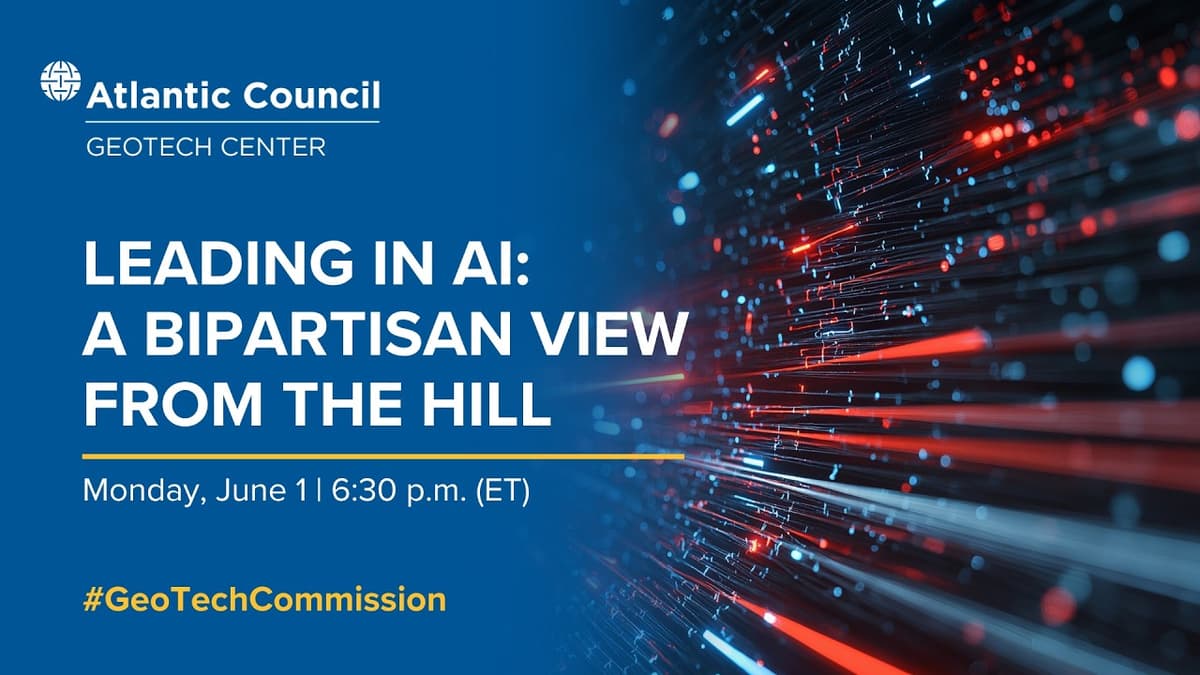
Leading in AI: A Bipartisan View From the Hill
The Atlantic Council hosted a bipartisan discussion with Senators Todd Young and John Hickenlooper, co‑chairs of the council’s AI commission, to outline a roadmap for U.S. AI leadership. The commission’s report highlights several priority gaps: upstream infrastructure such as energy supply...
Atlantic Council Commission on Artificial Intelligence: US Leadership in the Age of AI
The Atlantic Council’s Commission on Artificial Intelligence released a comprehensive report urging the United States to adopt a coordinated strategic plan that translates AI innovation into tangible benefits for American workers and safeguards geopolitical security. The bipartisan commission outlines actionable policy...
Join Us for the 2026 Global Energy Forum: Defining Our Energy Legacy
The Atlantic Council’s Global Energy Forum returns to Washington, D.C., next month for its 2026 edition, marking a decade since the inaugural 2016 gathering. Positioned on the eve of America’s 250th anniversary, the event aims to convene policymakers, industry leaders,...
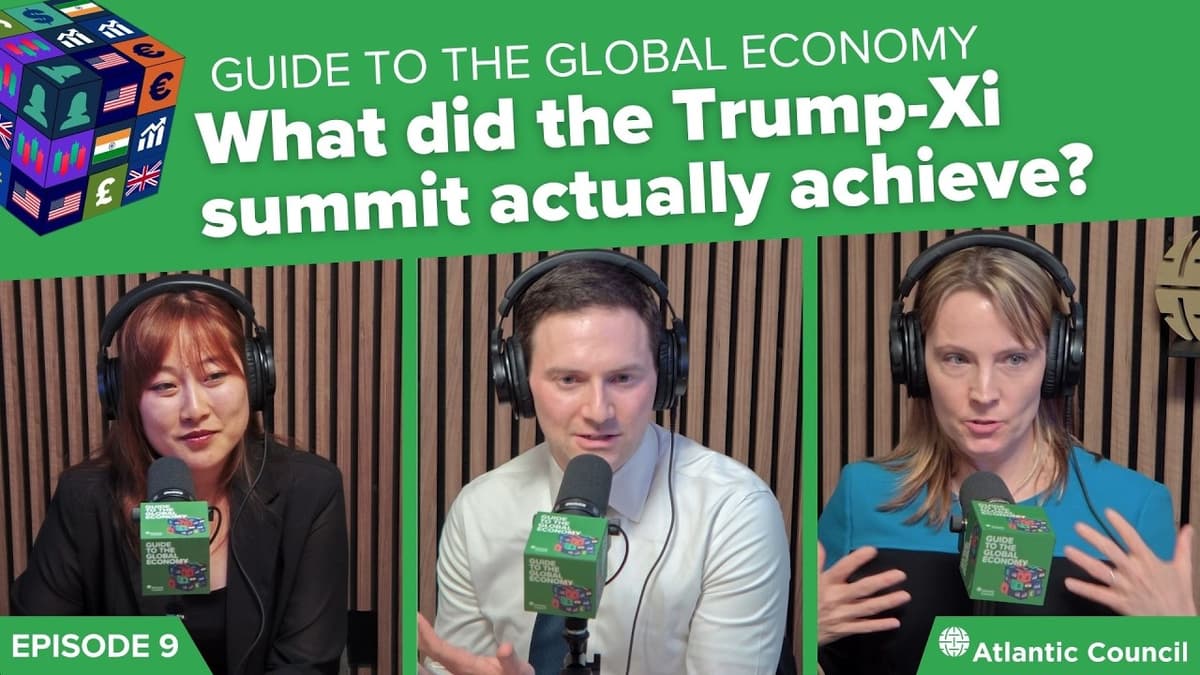
What Did the Trump-Xi Summit Actually Achieve?
The podcast dissects the Trump‑Xi summit in Beijing, asking what, if anything, was achieved beyond the media splash. Hosts Josh Lipsky and Jesse Yin, joined by Atlantic Council senior director Melanie Hart, note that the visit produced a flurry of...

Will Europe Finally Unlock Russia’s Frozen Assets for Ukraine?
The Atlantic Council panel examined whether Europe can finally mobilize the roughly €210 billion in frozen Russian state assets to support Ukraine. Speakers highlighted a new “Russian transfer” proposal that would shift the account – assets and liabilities – from...
The IMF’s Kristalina Georgieva on Energy Prices, Inflation, and AI
The International Monetary Fund’s managing director Kristalina Georgieva addressed a Europe‑Gulf forum in Greece, highlighting how soaring energy prices, persistent inflation and the rise of artificial intelligence are reshaping the global economy. She underscored a new multipolar reality where Europe...
Trade over Aid: Prosperity for the US and the Developing World
The Atlantic Council event introduced the U.S. State Department’s “trade‑over‑aid” initiative, a strategic pivot from traditional government‑to‑government assistance toward private‑sector driven commerce. Launched in New York and now backed by 36 signatory nations, the program rests on five principles that...

The WSJ's Lingling Wei: Four Things to Look for in US-Chinese Trade Relations
Lingling Wei of the Wall Street Journal outlines four focal points to gauge the evolving US‑China trade relationship. She emphasizes that changes in Chinese rare‑earth export licensing could signal a softening of Beijing’s kinetic leverage, while adjustments to US semiconductor...
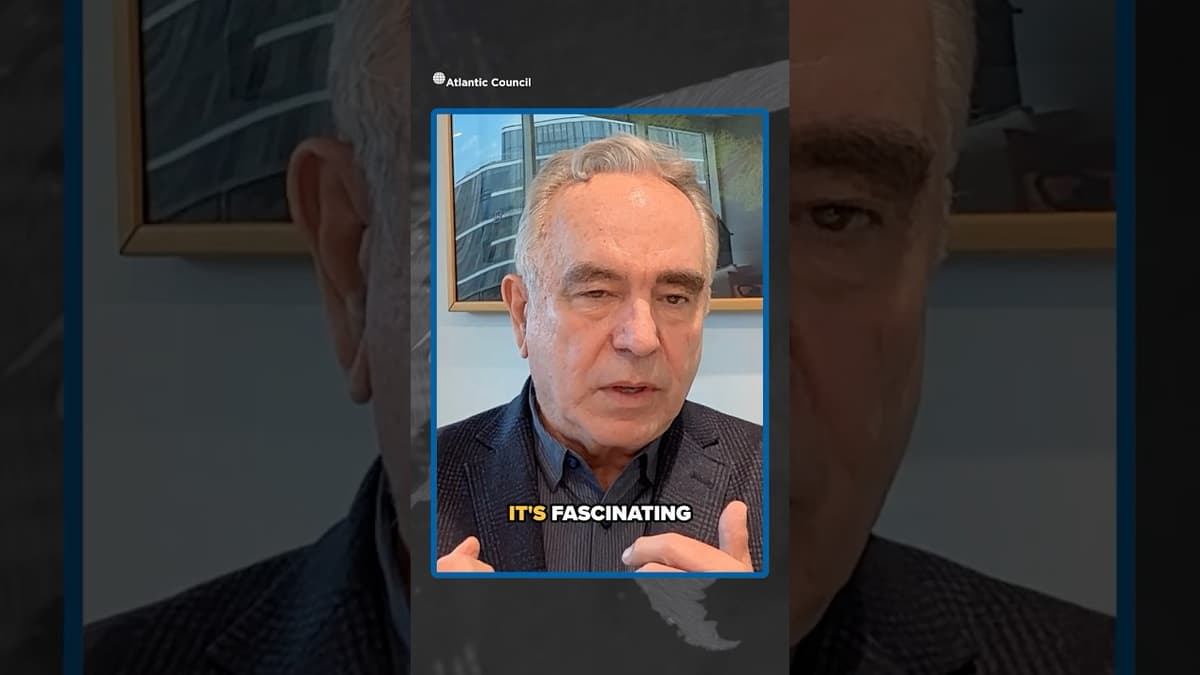
Why the Trump-Xi Summit Is Making Indo-Pacific Countries Anxious
The video examines President Donald Trump’s planned mid‑May trip to Beijing, a rare diplomatic overture occurring while the United States is engaged in the Gaza conflict and China maintains close ties with Iran. Chinese officials have formally accepted the invitation,...
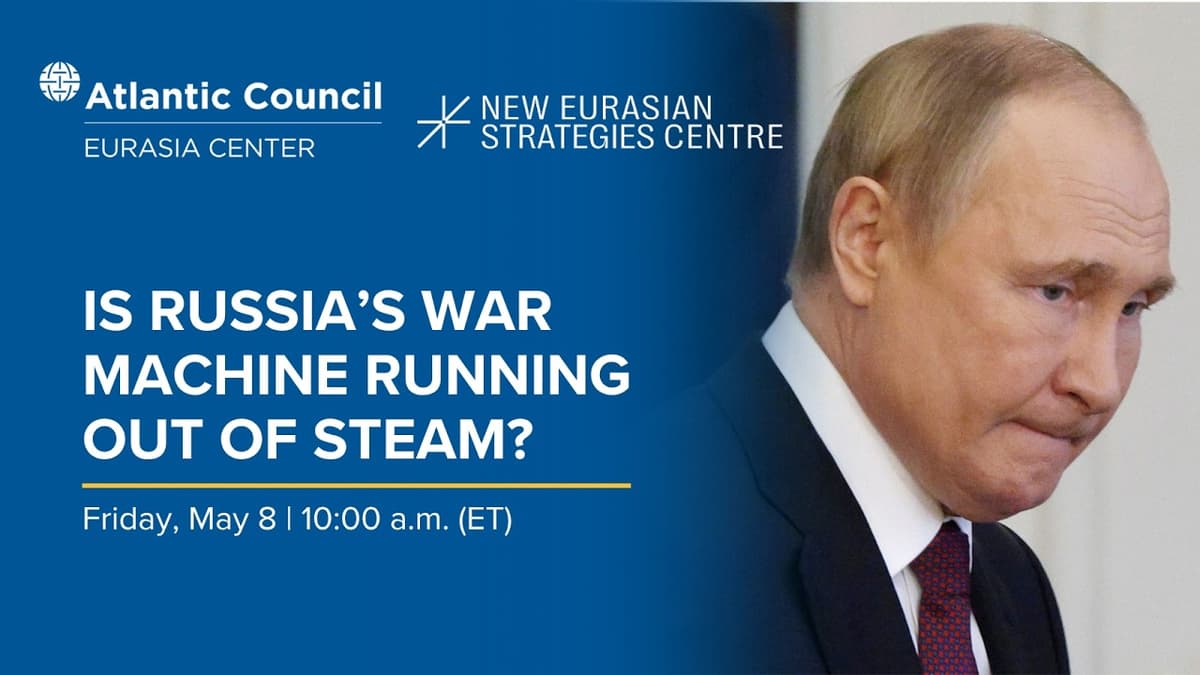
Is Russia’s War Machine Running Out of Steam?
The Atlantic Council panel examined whether Russia’s war machine is losing momentum after four years of conflict in Ukraine. Speakers highlighted a stark slowdown in territorial gains, mounting battlefield losses and an unprecedented level of internal dissent within the...
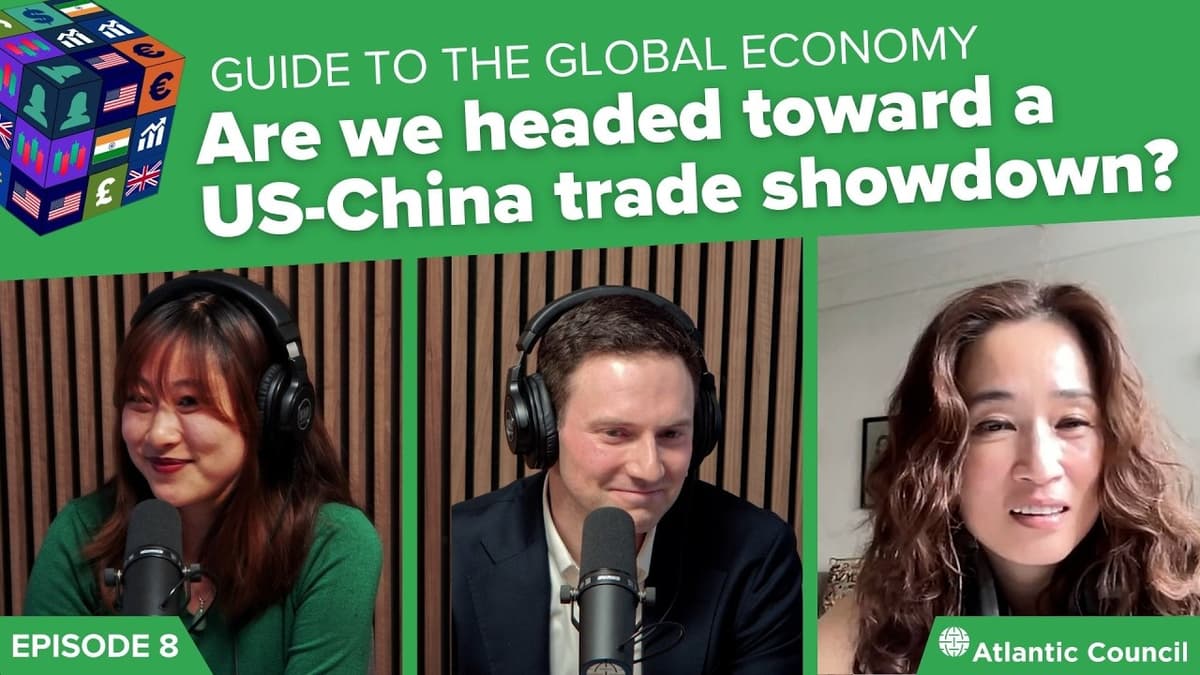
Are We Headed Toward a US-China Trade Showdown?
The episode dissects the evolving US‑China trade conflict, noting that after a year of sweeping tariffs the Biden administration is pivoting toward a more "surgical" approach: limiting how much Chinese content can remain in products destined for the United States....

"The Attack on Iran Changed the Course of the Iranian Revolution for the Worse"
The video argues that the United States’ kinetic strike on Iran in early January fundamentally altered the trajectory of the Iranian revolution, cementing a more hard‑line version of the Islamic Republic dominated by the IRGC and a younger, ideologically rigid...